Mainframe Identity Modernization: From RACF to Zero Trust in 2026
Mainframes still hold the records of authority for banking, insurance, government, and healthcare. The 2026 architecture for modernizing mainframe identity — keeping RACF, ACF2, and Top Secret in place while integrating them into zero-trust governance.
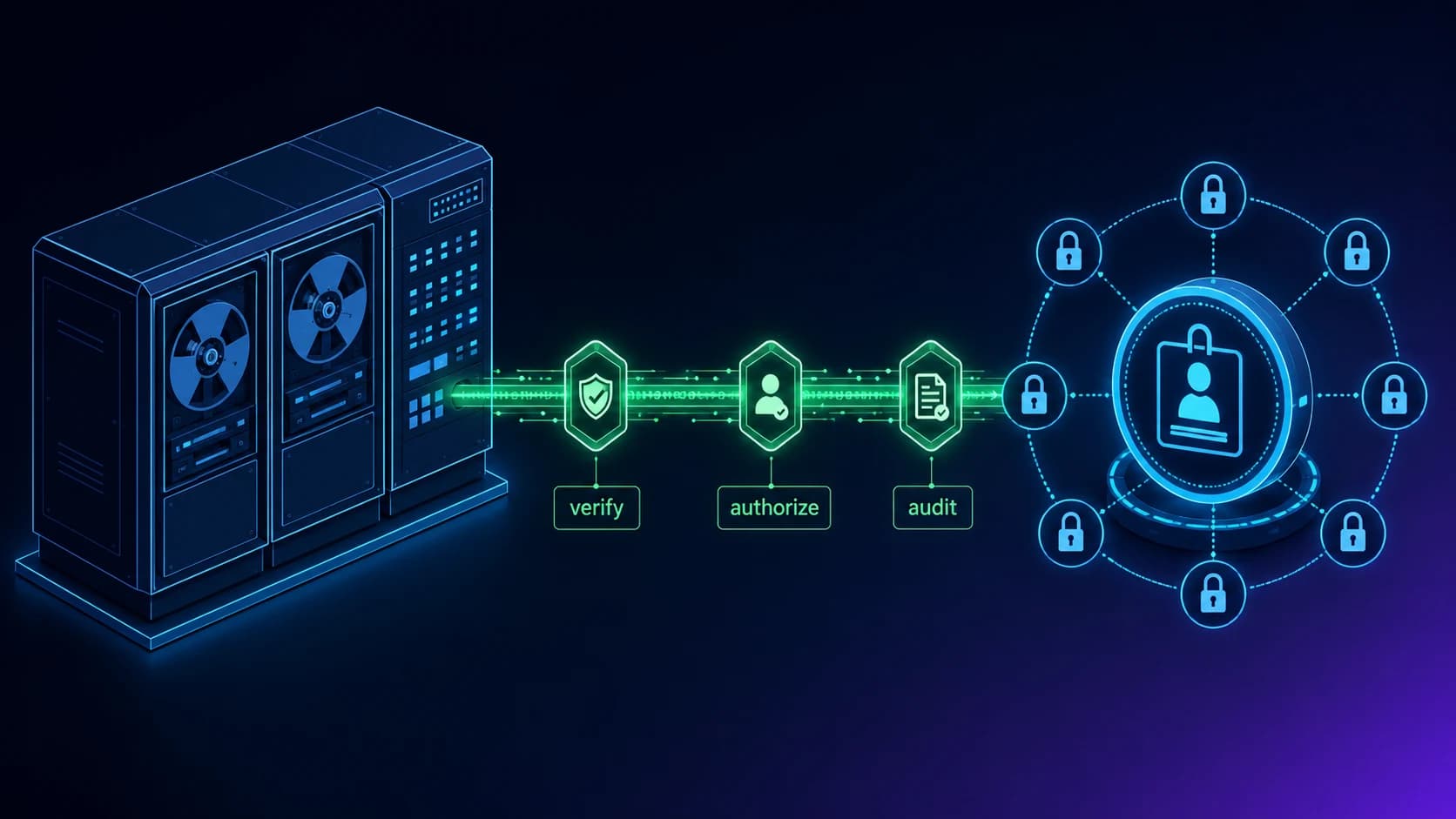
Mainframes still hold the records of authority for banking, insurance, government, and healthcare. The 2026 architecture for modernizing mainframe identity — keeping RACF, ACF2, and Top Secret in place while integrating them into zero-trust governance.
Mainframes still run the records of authority for banking, insurance, government, healthcare, and large industrials in 2026. The "mainframe is dead" narrative has been wrong for thirty years, and the practical reality in 2026 is that mainframe environments are getting more important, not less — increasingly modernized through cloud-identity integration, but not replaced. The systems that hold the bank's general ledger, the insurance claim processing engine, the government tax records, the healthcare patient registry — these are still RACF-protected z/OS workloads, and they will be for the foreseeable future.
The strategic question in 2026 is not whether to replace the mainframe. It is how to modernize the identity layer around the mainframe — integrating RACF, ACF2, and Top Secret with the enterprise IdP, the lifecycle platform, the audit infrastructure, and the modern governance stack — without rip-and-replace. This piece is the architectural reference for that modernization.
The companion pieces cover the adjacent decisions. Best ILM Solutions ranks the lifecycle platforms by mainframe support depth (Avatier, SailPoint, OneIdentity are the three with native coverage). Best IGA Solutions covers the governance layer. RACF vs ACF2 covers the resource-access-control choice within the mainframe itself. Storm-2949 governance failure covers the service-desk verification pattern that mainframe accounts need given their elevated impact profile. This piece is the architectural overlay that sits across all of them.
Why the mainframe still matters in 2026
The mainframe environment is a load-bearing component of the enterprise IT estate for industries where transaction integrity, regulatory continuity, and operational reliability are not negotiable. Three structural reasons keep it there.
Transaction economics. A modern mainframe processes tens of thousands of transactions per second at sub-millisecond latency, with operational uptime measured in five-nines (99.999%). The specific workload profile — high-throughput, low-latency, transactionally-consistent — is difficult to match on distributed architectures for the specific transaction patterns these workloads exhibit. Replatforming to cloud-native architecture is technically possible but operationally expensive and risky for workloads operating at this profile.
Regulatory environment. Financial services, insurance, healthcare, and government workloads operate under regulatory frameworks (SOX, HIPAA, PCI DSS, FFIEC, GLBA) that require demonstrable continuity, audit trails, and operational control. Mainframe environments have decades of operational maturity in producing the audit evidence these regulators expect. Replatforming triggers regulatory recertification — a multi-year process with substantial failure risk.
Operational expertise. The enterprises that run mainframes have decades of operational expertise in z/OS, RACF, COBOL, JCL, CICS, IMS, and the broader mainframe ecosystem. The institutional knowledge is genuinely valuable; the cost of losing it through replatforming and rebuilding equivalent expertise on distributed architecture is substantial. Most enterprises that have tried major mainframe migration programs have ended up partial-migrated and parallel-running, which is the worst of both worlds.
The strategic posture that works in 2026 is mainframe modernization — keeping the mainframe workloads in place while modernizing the identity, audit, and governance layers around them. That's what this piece covers.
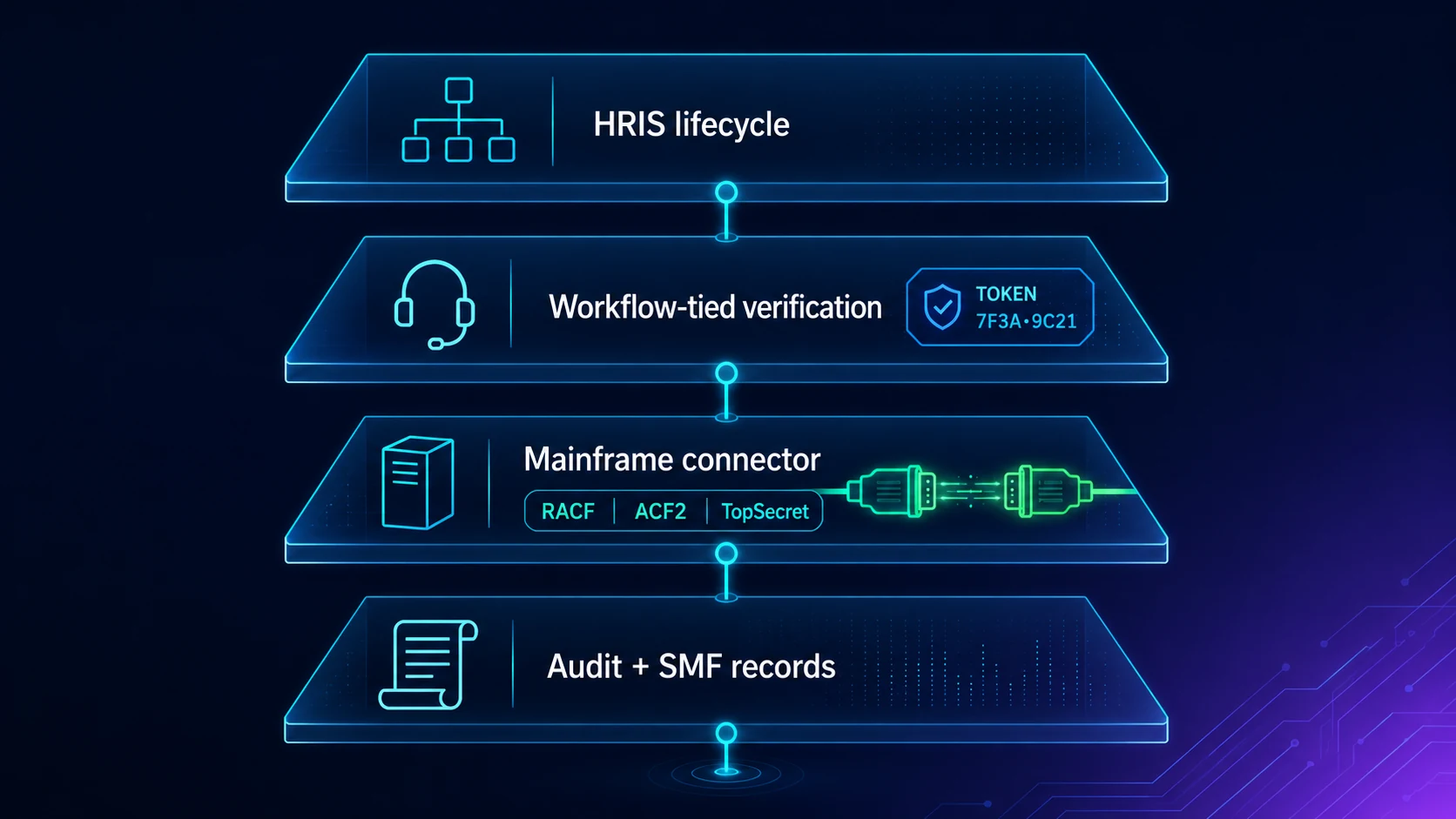 Four integration layers, vertically stacked. Each layer addresses a different governance concern — lifecycle, verification, native connectivity, audit evidence — and the architectural test is whether the layers compose cleanly without forcing the mainframe team to learn modern identity tooling or the modern identity team to learn JCL.
The four integration layers that make mainframe identity modern
The architectural pattern that produces modern mainframe identity in 2026 has four integration layers. Each layer is a separable project; together they produce an identity architecture that satisfies modern governance requirements while leaving the mainframe workloads themselves unchanged.
Authentication layer. The mainframe historically authenticated users via RACF/ACF2/Top Secret-native password authentication, with no integration to the broader enterprise identity infrastructure. The modernization pattern is federated authentication — the user signs in via the enterprise IdP (Entra ID, Okta, Ping, or a self-hosted equivalent) and the IdP issues a token that the mainframe accepts via federation protocols. The implementation typically uses SAML 2.0, OAuth 2.1, or Kerberos depending on the mainframe version and the IdP. IBM's z/OS supports these protocols natively in current versions; older z/OS versions need a federation gateway.
The security improvement is substantial. The mainframe password surface — previously a separate credential the user had to remember and rotate — disappears. The user authenticates once at the IdP with the strongest available method (phishing-resistant MFA, passkey, or hardware key) and the mainframe accepts the federated assertion. Credential-stuffing attacks against mainframe accounts go to zero. Phishing attacks against mainframe users get caught by the IdP's phishing-resistant authentication layer.
Lifecycle layer. The mainframe historically managed user identities through manual administrative workflows — a security administrator received a ticket, ran the RACF ADDUSER command, and granted appropriate permissions. The modernization pattern is HRIS-driven lifecycle integration — when HR fires a new-hire event in Workday or SuccessFactors, the lifecycle platform creates the user record in the IdP and provisions the mainframe identity automatically via the RACF/ACF2/Top Secret connector.
The mover flow matters most. A user transitioning from teller to branch manager needs role-based mainframe access changes — different RACF group memberships, different dataset access. The lifecycle platform propagates the role transition to the mainframe automatically; the security administrator no longer needs to manually update mainframe access for every role change. The audit trail captures the change with the HR record as the source of authority.
Avatier ships native RACF, ACF2, and Top Secret connectors in Identity Anywhere Lifecycle Management. SailPoint and OneIdentity also ship mainframe coverage. The Best ILM Solutions buyer's guide covers the comparison.
Governance layer. The mainframe historically managed access governance through quarterly security-administrator audits — the admin generated a report of all user permissions, distributed it to managers, and processed the responses. The modernization pattern is continuous governance — the IGA platform runs ongoing access reviews against the mainframe identity surface, surfaces orphaned accounts, flags excessive entitlements, and integrates the evidence into the audit-ready compliance reporting.
The access certification flow is the most operationally impactful. Quarterly certification campaigns historically were rubber-stamp affairs because the reviewer didn't have time to actually inspect each entitlement. Modern IGA platforms apply risk-based scoping — surfacing the high-risk entitlements (privileged mainframe access, dataset-level permissions on sensitive data) for actual review while auto-approving the low-risk ones. The certification result captures meaningful reviewer attention rather than diluting it across thousands of low-risk entries.
Audit layer. The mainframe produces extensive native audit logs — SMF (System Management Facility) records that capture every access decision, every administrative change, every authentication attempt. The modernization pattern is integrating these logs into the enterprise SIEM (Splunk, Sentinel, Chronicle) so the mainframe audit evidence sits alongside the rest of the identity-event stream. Anomaly detection runs across the integrated dataset; compliance reporting pulls from the same source.
The integration is operationally important because mainframe SMF records contain different fields than modern application audit logs. Mapping the SMF schema to the SIEM's common-information model is the integration work; once done, mainframe access events flow into the same dashboards as cloud and SaaS events.
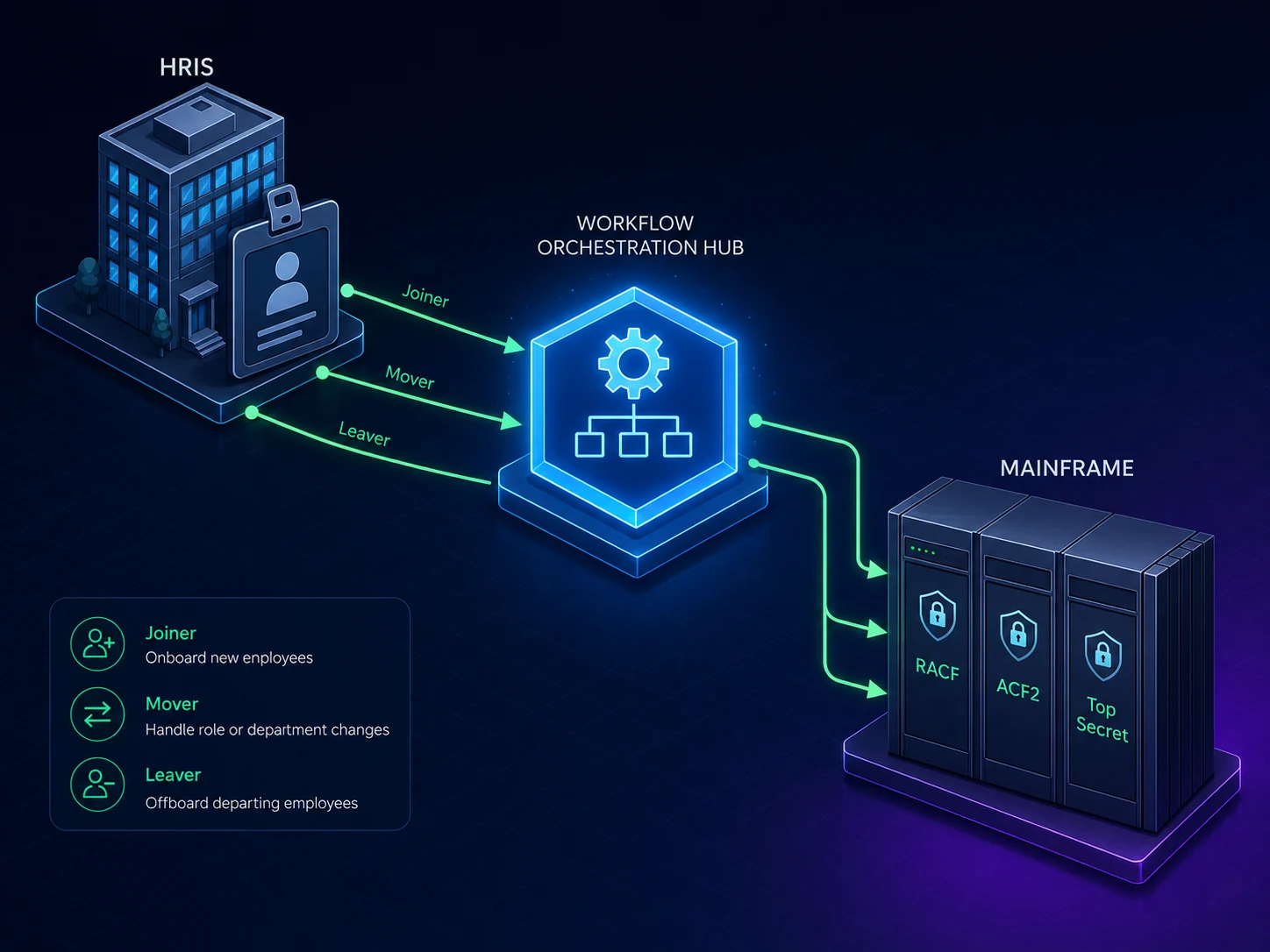 The architect view. HRIS is the source of identity truth; the workflow orchestration hub is where lifecycle events get authoritatively translated into mainframe provisioning actions; the mainframe security managers (RACF, ACF2, Top Secret) stay native — they don't get replaced, they get integrated.
What this looks like for an enterprise architect
The implementation sequence that works for an enterprise modernizing mainframe identity in 2026 is concrete and bounded. Five phases over 12-18 months.
Phase 1 (months 1-3): Federation layer. Deploy the federation gateway between the enterprise IdP and the mainframe. Configure SAML or OAuth integration depending on the mainframe's protocol support. Verify the federated authentication flow with a pilot user population — typically security administrators and a small set of operations staff. The pilot validates the integration before broader rollout.
Phase 2 (months 3-6): Workforce migration to federated authentication. Roll out federated authentication to the broader mainframe-user workforce — banking operations, claims processors, government workflow users, healthcare clinical staff. The migration is per-user-group, not per-workflow — each user-group sees the migration as a one-time transition from "log into mainframe with password" to "log into mainframe via the corporate IdP." Communication and training matter; the technical change is straightforward.
Phase 3 (months 6-9): Lifecycle integration. Deploy the lifecycle platform's mainframe connector. Configure the joiner/mover/leaver flows for the mainframe identity surface. Test with the HR system as the source of authority. Verify that role transitions, terminations, and new-hire flows propagate correctly to the mainframe. The integration testing is where edge cases surface — contractors who become FTEs, role changes that cross privilege boundaries, complex group memberships.
Phase 4 (months 9-12): Governance layer. Onboard the mainframe identity surface to the IGA platform. Configure access-certification campaigns with risk-based scoping. Establish the segregation-of-duties policies that span mainframe and other systems (a user with both RACF authority to approve transactions and modern-application authority to initiate them is a SoD violation that the governance layer needs to surface).
Phase 5 (months 12-18): Audit integration and continuous monitoring. Integrate the SMF records into the enterprise SIEM. Map the mainframe event schema to the common information model. Build the dashboards that surface mainframe access events alongside the rest of the identity-event stream. Establish the continuous-monitoring alerts that flag anomalous mainframe access patterns. The integration enables anomaly detection and audit-ready reporting from a single source.
The honest framing is that this is an 12-18-month program for a single mainframe environment, not a quarter-long project. The phases run in parallel where possible; the dependencies are real. Enterprises that try to compress the timeline usually end up partial-implemented and operationally fragile.
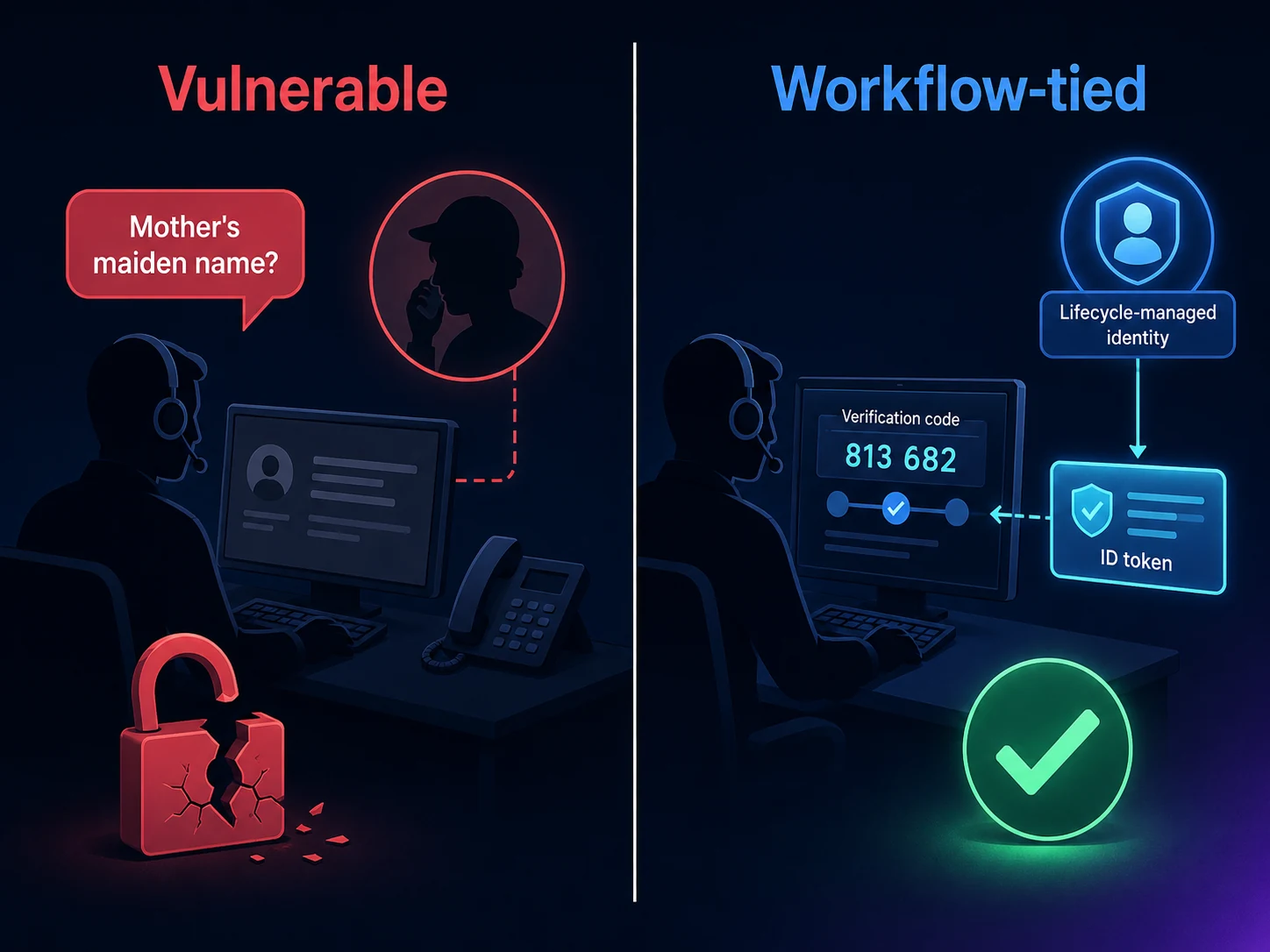 The recovery channel is where mainframe account compromises happen. Workflow-tied verification — the help-desk agent verifies the caller against the lifecycle-managed identity using a workflow-generated code, not knowledge-based questions — is the architectural pattern that closes the Storm-2949 gap. Password Station ships this natively.
What Avatier ships toward this pattern
Avatier Identity Anywhere ships native RACF, ACF2, and Top Secret connectors as first-class capabilities — not extensions, not partner-built add-ons. The federation layer integrates with the major enterprise IdPs (Entra ID, Okta, Ping, Active Directory). The lifecycle layer (Identity Anywhere Lifecycle Management) handles HRIS-driven joiner/mover/leaver flows with native mainframe connector support. The governance layer (Identity Anywhere Compliance Auditor) runs access certifications, segregation-of-duties policies, and audit-evidence generation across the integrated identity surface. Password Station handles workflow-tied service-desk verification for mainframe accounts — closing the Storm-2949 attack vector on the mainframe surface.
The Identity Challenge Card provides phishing-resistant authentication for mainframe operators in defense, banking, government, and other environments where phones aren't viable as authenticator devices. The deviceless card pattern works through standard PIV smart card readers — the same hardware the mainframe access already supports.
The Best ILM Solutions guide ranks Avatier as one of three platforms with native mainframe support (alongside SailPoint and OneIdentity); the Best IGA Solutions guide covers the governance-layer comparison. The architectural pattern works regardless of vendor; the integrated platform pattern is what makes the layers cooperate without bolt-on integration projects.
The Avatier Trust Center publishes the compliance posture (SOC 2 Type II zero exceptions, ISO/IEC 27001:2022, PCI DSS v4.0.1, CSA STAR Level 1, NIST 800-53 Rev. 5 aligned, CISA Secure-by-Design Pledge signatory). The mainframe-specific compliance frameworks (FFIEC, SOX, HIPAA for healthcare mainframe workloads) inherit from this baseline.
The honest closing
Mainframe environments are not going away in 2026. The enterprises running them — banking, insurance, government, healthcare, large industrials — will continue to run them for the foreseeable future because the workloads are operationally proven, regulatory frameworks favor continuity, and the cost of replatforming is genuinely prohibitive.
The strategic posture that works is mainframe identity modernization — keeping RACF, ACF2, and Top Secret as the resource-access-control layer while integrating them into modern identity governance through federation, lifecycle integration, continuous governance, and unified audit. The enterprises that complete this modernization will have mainframe environments that satisfy 2026 audit requirements, integrate with modern identity tooling, and produce the security posture that boards and regulators expect.
The mainframe stays. The identity layer modernizes. That's the architecture that works.
ABOUT THE AUTHOR

More from RACF & Mainframe
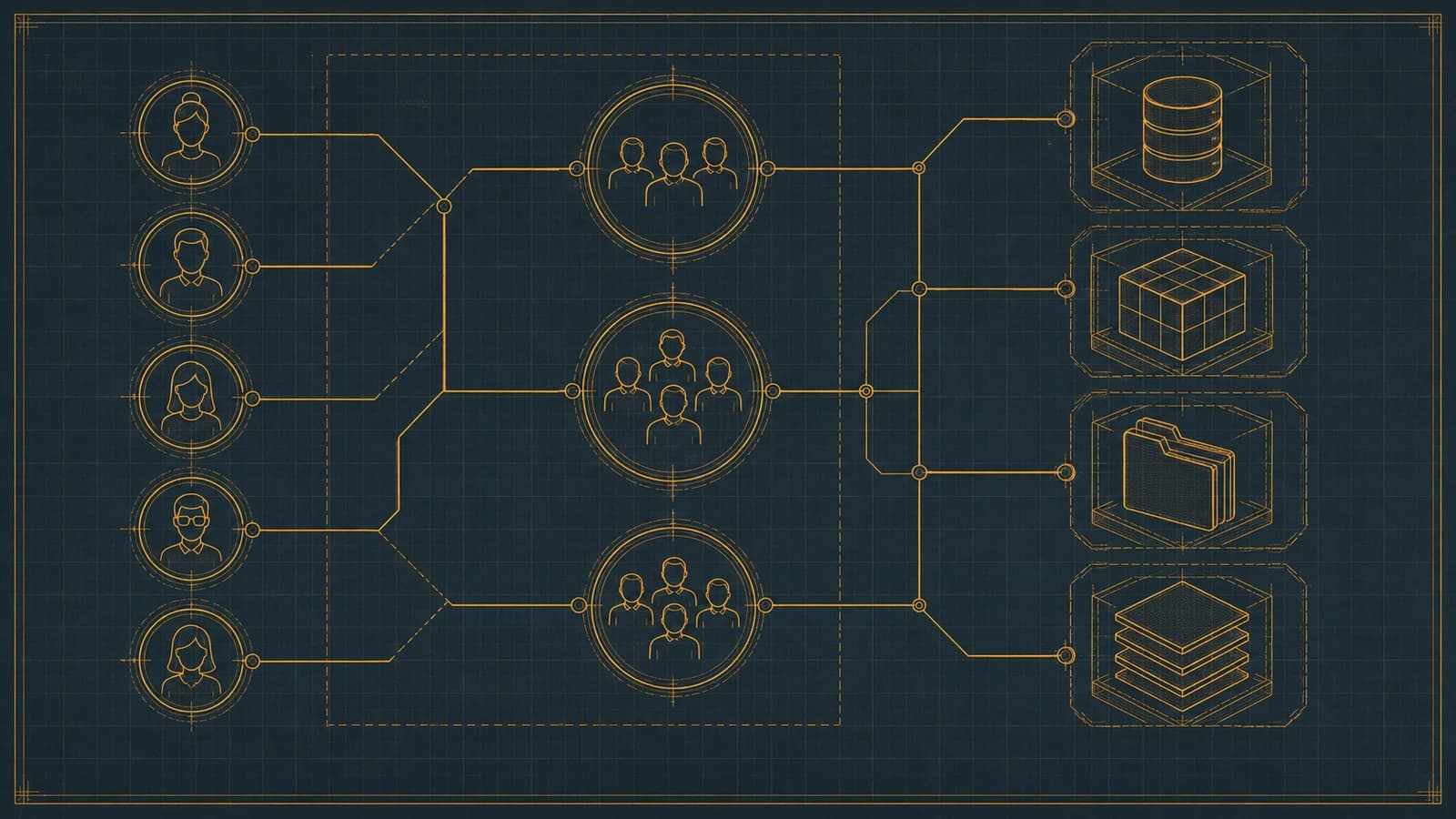
Mastering RACF User-Group Assignments & Permissions 2026
RACF grants access through groups, not users: ADDGROUP builds it, CONNECT enrolls the user, PERMIT binds it to a resource. How assignments, nested membership, and access decisions resolve in 2026.
RACF Password Complexity & Expiration Rules 2026 (SETROPTS)
RACF enforces password complexity, expiration, history, and lockout through SETROPTS PASSWORD suboperands — RULEn, INTERVAL, HISTORY, and REVOKE. The 2026 reference on the exact syntax, why PCI-DSS and SOX still mandate it even as NIST 800-63B moves the industry away from rotation and composition rules, and where RACF-level enforcement alone stops being enough.
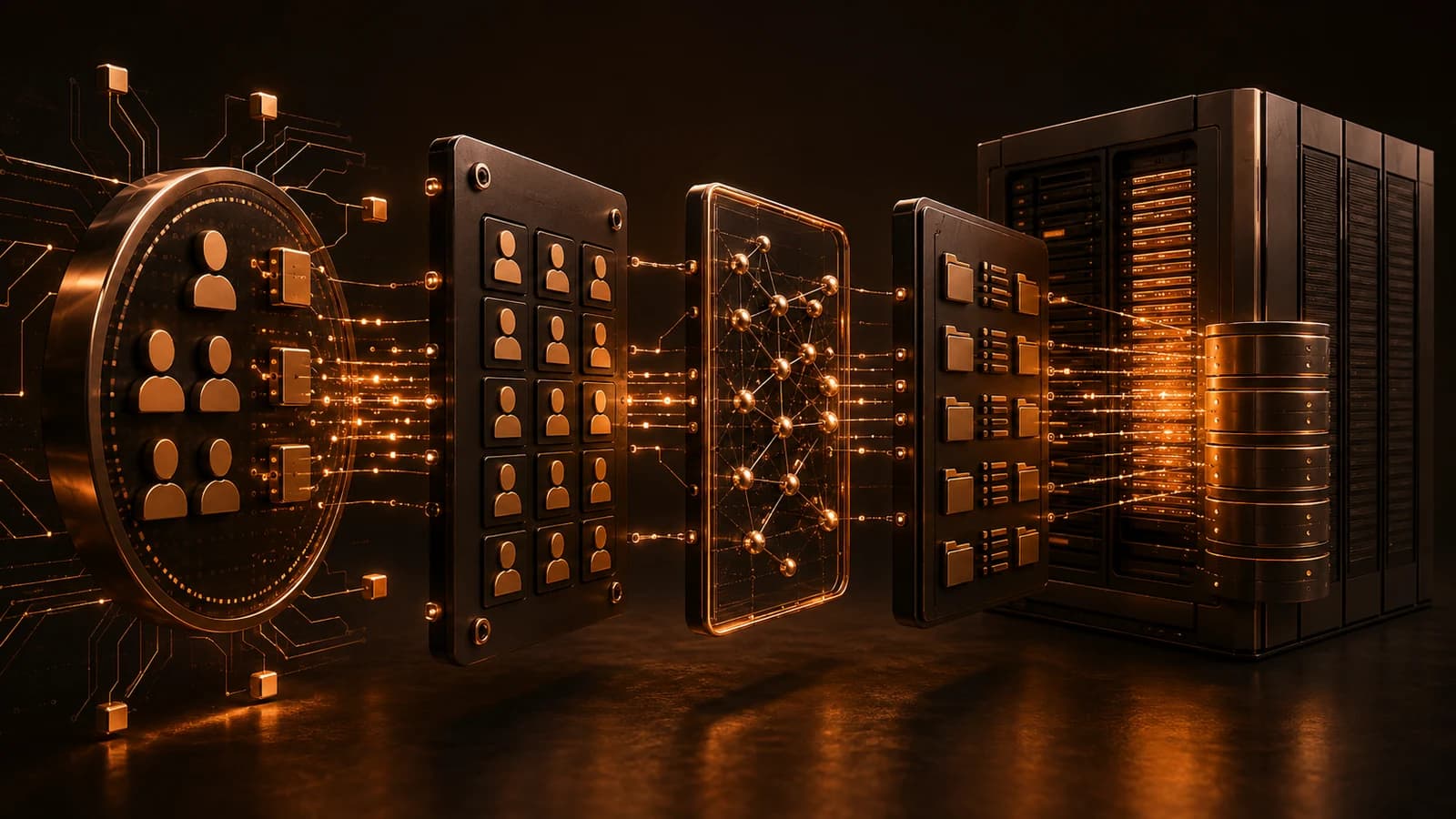
Automating RACF Provisioning from HR Events: A 2026 Guide
RACF user provisioning becomes reliable when create, entitle, and deprovision actions trigger directly off HR events instead of tickets — here's how that pattern actually works on the mainframe.