CIA Triad Security Costs: A 2026 Risk Framework
The CIA triad — confidentiality, integrity, availability — is a practical cost framework for identity programs, not just theory. Here's what neglecting each pillar actually costs.
HIPAA, GDPR, NIST 800-63B, SOC 2, and the regulatory requirements that shape credential governance programs.
Showing 11

The CIA triad — confidentiality, integrity, availability — is a practical cost framework for identity programs, not just theory. Here's what neglecting each pillar actually costs.

Federal agencies pass FISMA audits every year and still get breached — the identity governance gaps assessors keep missing are the same ones attackers exploit.

Real-time regulatory monitoring replaces the quarterly compliance scramble with a continuous detect-assess-remediate loop, but only if the identity data underneath it is accurate to begin with.

AI now assembles, drafts, and maintains the compliance evidence auditors ask for across SOX, HIPAA, PCI, and FISMA — but it still needs a human to attest before anything gets filed.

SOX §404 requires access controls that produce evidence, not policy documents that describe them. The 2026 enterprise reference on the four IAM access-control domains SOX auditors probe, the five reports they'll ask for, and the architecture that generates them on-demand rather than in the quarter-end scramble.

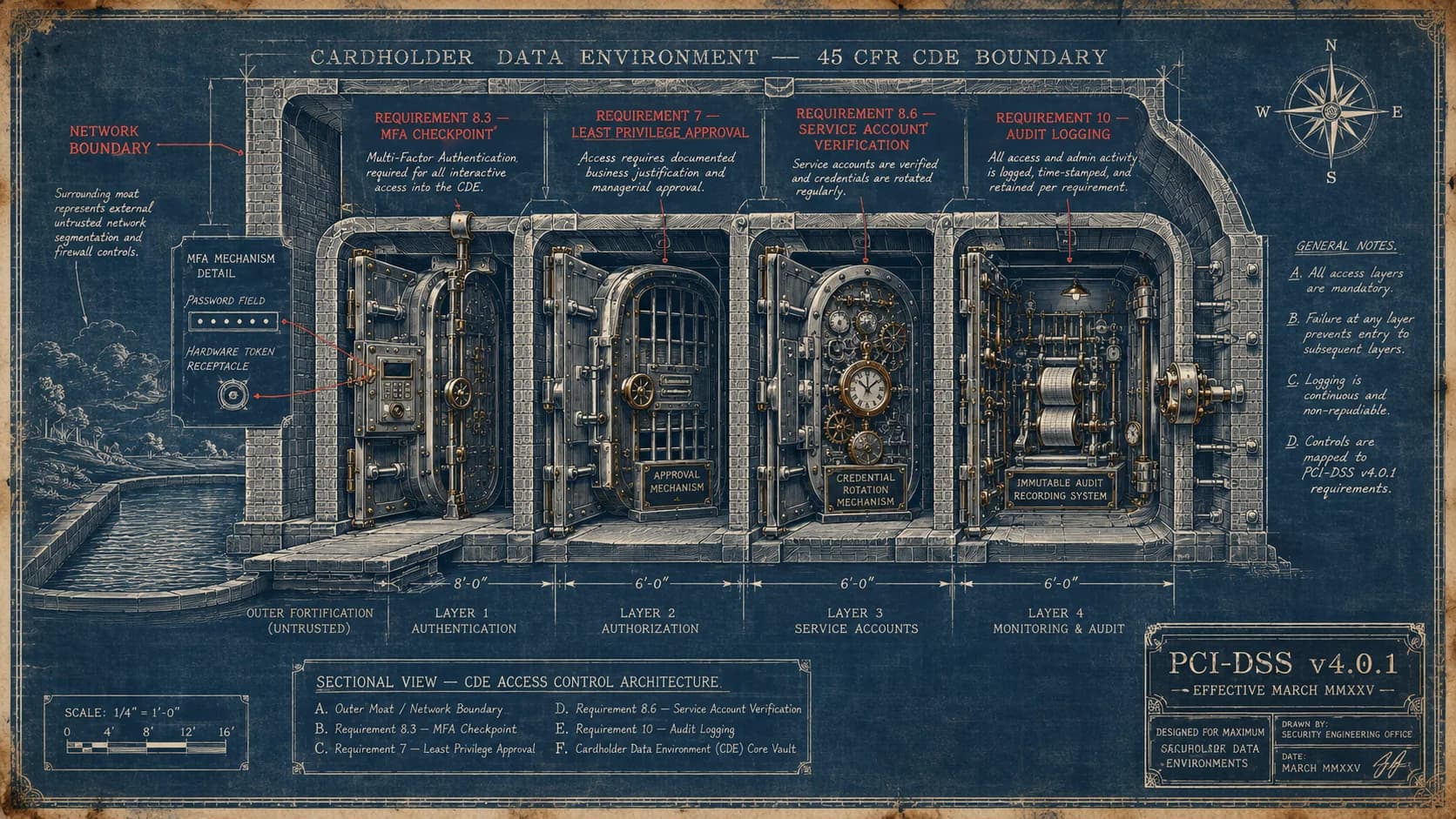
PCI-DSS v4.0.1 became mandatory for assessments on March 31, 2025 — and it's the largest expansion of IAM requirements in the standard's history. The 2026 enterprise reference on Requirements 7, 8, and 10, the MFA-everywhere expansion in 8.3, the service account tightening in 8.6, and the architecture that maps to each.

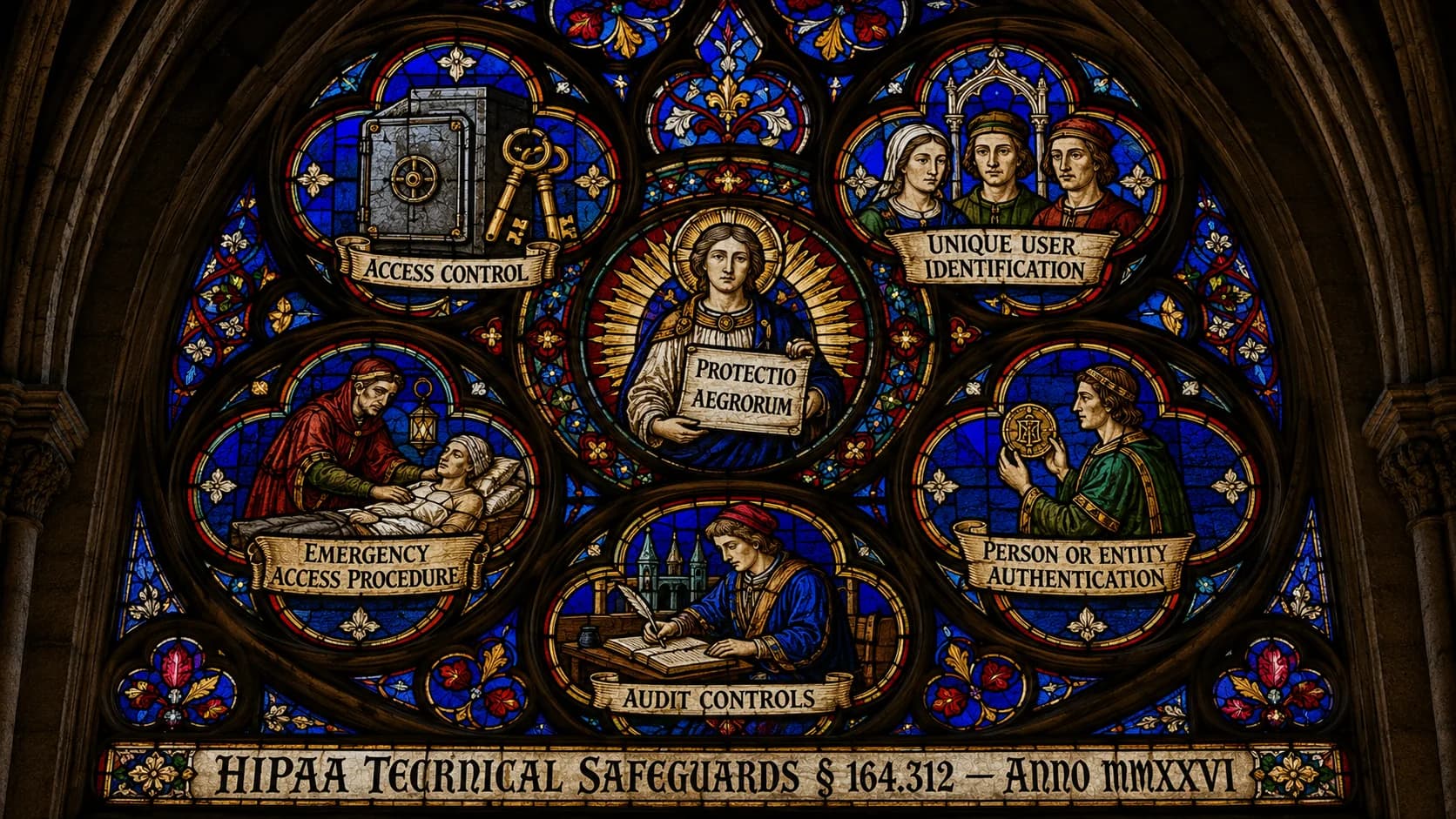
HIPAA §164.312 defines five technical safeguards for ePHI — access control, audit controls, integrity, person or entity authentication, and transmission security. The 2026 enterprise reference on what each standard actually requires from IAM, the addressable-vs-required distinction that trips up healthcare IT programs, and the architecture that produces defensible evidence at audit.

Most enterprise access reviews are checkbox exercises that pass IAM policy but fail audit scrutiny. The 2026 enterprise reference on the three questions auditors ask that checkbox reviews can't answer, the risk-weighted review architecture that produces defensible evidence across SOX, PCI-DSS, HIPAA, and SOC 2 simultaneously, and the operational patterns that make the shift sustainable.

Sarbanes-Oxley Section 404 places IT general controls (ITGC) over financial systems squarely in the IAM team's lap — even though SOX itself doesn't mention identity once. The 2026 enterprise reference on the five SOX ITGC domains that depend on identity controls, the auditor expectations that shifted in the post-2025 audit cycle, and the architecture that produces clean SOX walkthroughs.

HIPAA Security Rule § 164.312 places identity controls at the center of every covered entity's access-audit risk. OCR enforcement actions have intensified through 2024-25, and the 2026 audit profile is substantively harder than the prior decade. The enterprise reference on the five Technical Safeguards that depend on identity controls, the post-2024 OCR enforcement pattern, and the architecture that produces defensible HIPAA access-audit posture for healthcare IT.

Most enterprise access reviews are checkbox exercises — manager attests, audit log records, cycle closes. The auditor walks away with a binder of attestation evidence and the program reports clean. The 2026 auditor profile asks harder questions: did the reviewer actually engage, does the catalog match target-system reality, and what changed as a result. The enterprise reference on the three questions auditors actually ask now and the five review patterns that pass the test.
Savings Calculator
Enter your company size and see how much your help desk spends on password resets — and how much Avatier Credential Governance saves.
Avatier Credential Governance reduces your cost by
Over 1 year