MFA for Windows Login and RDP: Avatier Strong MFA Login
MFA at the SAML layer leaves Windows login, RDP and server logons on a password alone. Avatier Strong MFA Login binds the factor you already own to every password authentication event.
Role-based access control, OAuth, SAML, federation, and SSO — the structural plumbing of access decisions.
Showing 32

MFA at the SAML layer leaves Windows login, RDP and server logons on a password alone. Avatier Strong MFA Login binds the factor you already own to every password authentication event.

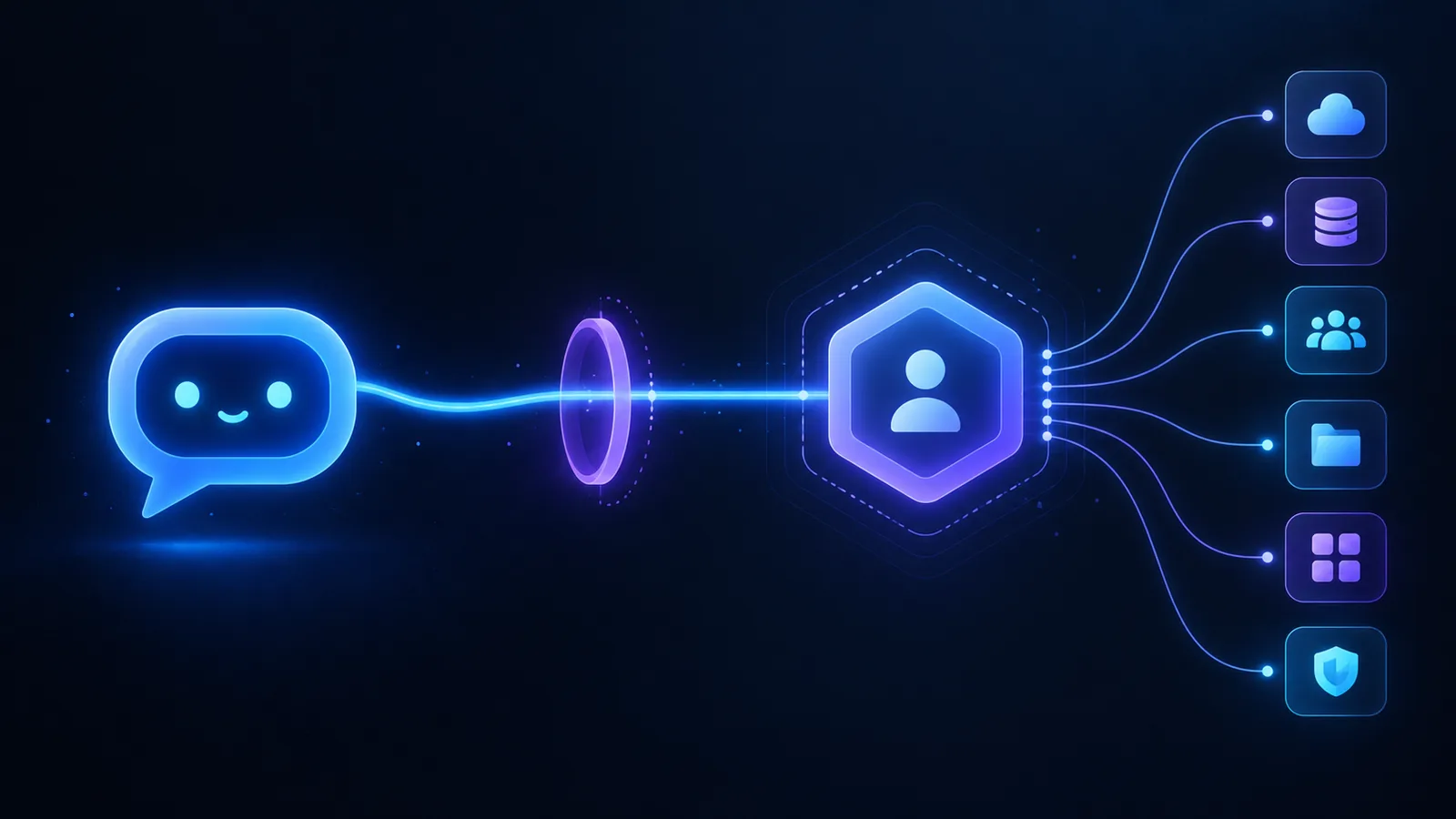
The Avatier MCP server is live at mcp.avatier.com. Connect Claude, Claude Code, GitHub Copilot, Cursor or Gemini CLI and run governed identity actions in plain language, with the same verification, policy and approvals as the Avatier console.

You already know the groups have sprawled. This is the remediation program that reverses it: discovery, ownership assignment, consolidation order, and deletion with a rollback window.

A correctly built access request portal still goes unused when the storefront layer is missing — this is the 2026 playbook for browse, search, bundled checkout, status transparency, and re-request.

Fulfillment time is the elapsed interval between a user asking for access and that access actually working — and most organizations measure it wrong, because they stop the clock when the ticket closes. This is the 2026 method for defining the clock, attributing the wait, and deciding which delays are worth engineering out.

OAuth and MCP aren't rivals. MCP connects AI assistants to tools, and its authorization builds on OAuth 2.1. What each one answers, what scopes miss, and how Avatier governs each action.

Least privilege for AI agents means task-scoped, time-bound access capped at the user's own authority. A five-step how-to for scoping MCP tools, and where the MCP spec helps.

How to secure MCP servers: the enterprise threat model, from tool poisoning to confused deputies, and the step-by-step controls that keep AI tool calls scoped, approved, and audited.

Data access governance is the discipline of controlling who can reach which sensitive data, under what conditions, and proving it to auditors. It is distinct from IAM, which grants access to systems, and from CIEM, which governs cloud infrastructure. The practical 2026 guide to governing access to the data itself.

B2B external identity and guest access is the discipline of governing partner, vendor, contractor, and guest identities that are not employees. The 2026 enterprise guide to what external access is, the controls that keep it safe, and the lifecycle that keeps it from becoming a breach path.

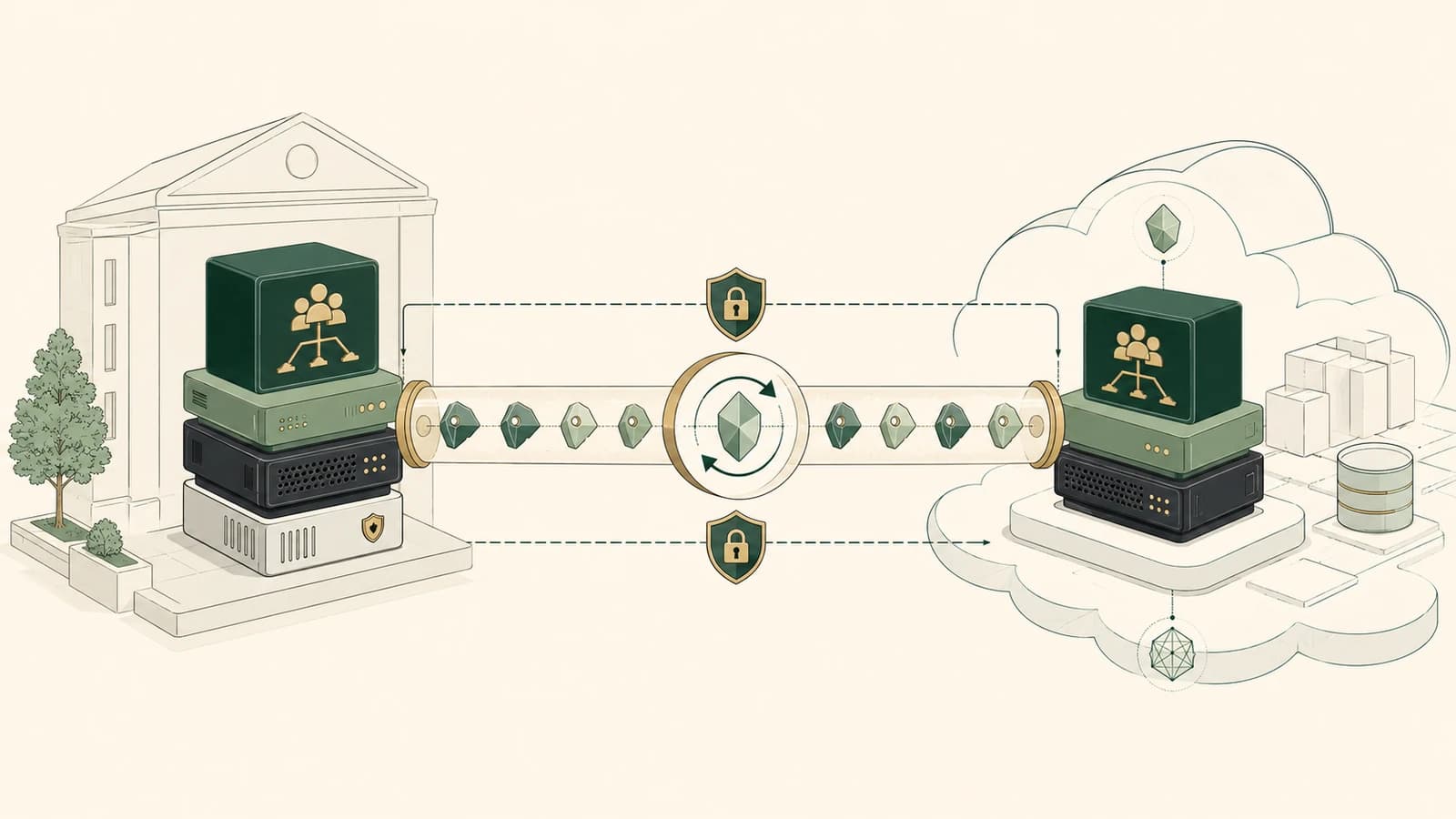
Identity federation is a trust relationship between separate identity providers so that one login works across domains and organizations. The foundational 2026 reference on what federation is, how it differs from SSO, and the protocols that carry it.

What identity verification and proofing actually are, how they differ from authentication, the four proofing methods, and how remote onboarding really works — establishing who someone is before you ever hand them a credential.

Device trust factors the health of the endpoint — managed vs unmanaged, patch level, disk encryption, EDR status — into every access decision, so that a correct password on a compromised laptop no longer buys the same access as a correct password on a verified device. The 2026 enterprise reference on posture-driven access outcomes: healthy allows, risky limits or steps up, non-compliant blocks.

Every enterprise accumulates identity sprawl — the same person represented as a dozen accounts across a dozen directories, SaaS tenants, cloud IAM systems, and acquired-company domains, with no single authority reconciling them. The 2026 reference on why sprawl happens, what it actually costs, and the consolidation path that pulls fragmented identities back under one governed source of truth without a rip-and-replace program.

PIM, PAM, and PUM get used interchangeably and mean three different things. PIM manages who holds privileged identity and which roles carry it. PAM controls how privilege is exercised through vaulting, session control, and just-in-time elevation. PUM manages the shared privileged accounts nobody personally owns. The 2026 reference on distinguishing the three terms, where they overlap, and where to start.

DNS resolution, DNSSEC integrity, and DNS poisoning as a credential-harvesting vector — the 2026 reference on treating DNS as identity infrastructure, not network plumbing.

Password hash synchronization keeps on-prem Active Directory and Microsoft Entra ID authoritative together — how the sync cycle works, its security tradeoffs, and where it fits against federation.

Cloud infrastructure PAM controls privileged sessions into AWS, Azure, and GCP — vaulting root credentials and enforcing just-in-time elevation instead of standing admin roles.

SSO answers who logged in, not what they can touch or why -- 2026 access management adds governance, analytics, and lifecycle automation, plus a new problem: AI agents that don't federate.

How service-to-service authentication, mTLS, and workload identity replace the network perimeter microservices architectures outgrew — the 2026 reference for CISOs and platform teams.

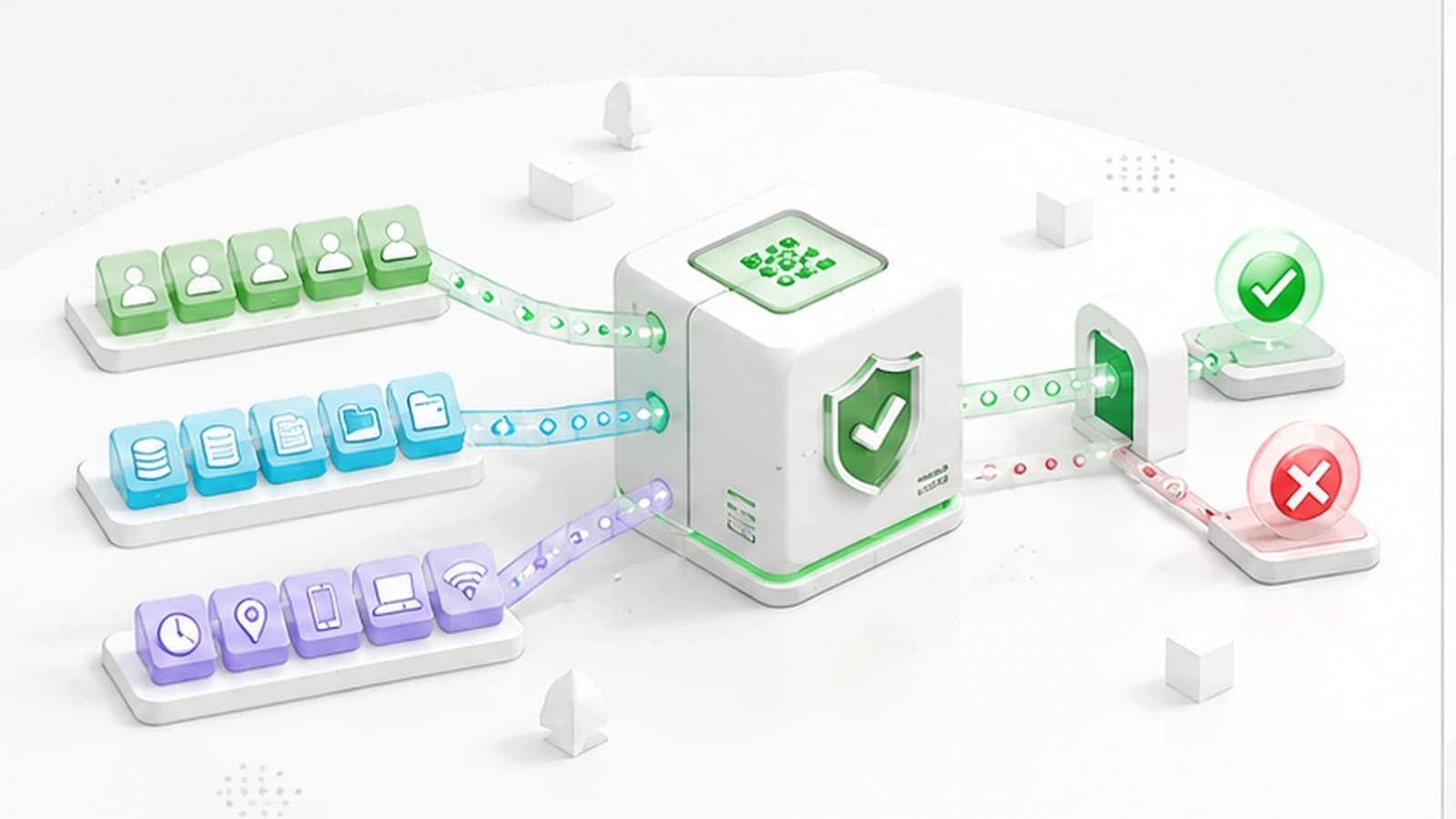
ABAC evaluates subject, resource, and environment attributes against policy at request time, not a fixed role. The 2026 reference on what ABAC does differently, and where it earns its complexity.

Self-service access requests only work when the full workflow is designed as one governed loop — request capture, policy-driven approval routing, automated provisioning, and closed-loop access confirmation. This is the 2026 practitioner guide to implementing an access request system that is fast for users and defensible under audit: the request-to-access pipeline, the design decisions that keep self-service from becoming rubber-stamp risk, and the operational discipline that makes it hold up.

The operational companion to the RBAC fundamentals reference — how to actually implement enterprise role-based access control well. Rollout sequencing, role design that avoids explosion, least-privilege enforcement in practice, entitlement modeling, provisioning integration, access reviews, and the pitfalls that sink real programs.

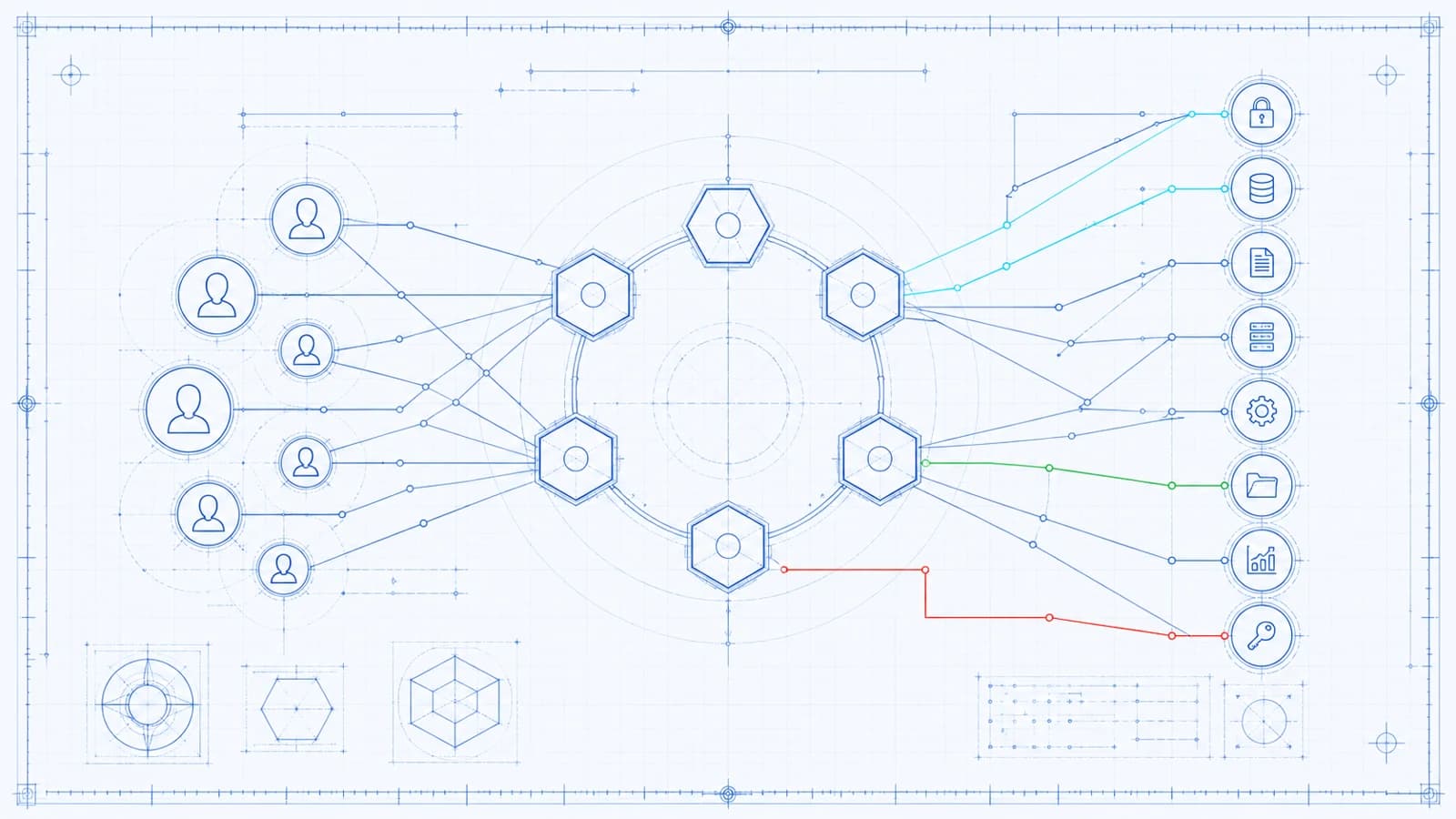
Role-based access control is the model that grants access through roles instead of one user at a time. This is the 2026 foundational reference — what roles, permissions, role hierarchy, least privilege, and separation of duties actually mean; where RBAC sits against ABAC, DAC, and MAC; how role explosion and role mining play out; and why banks and financial institutions lean on RBAC to enforce regulated, segregated access at scale.

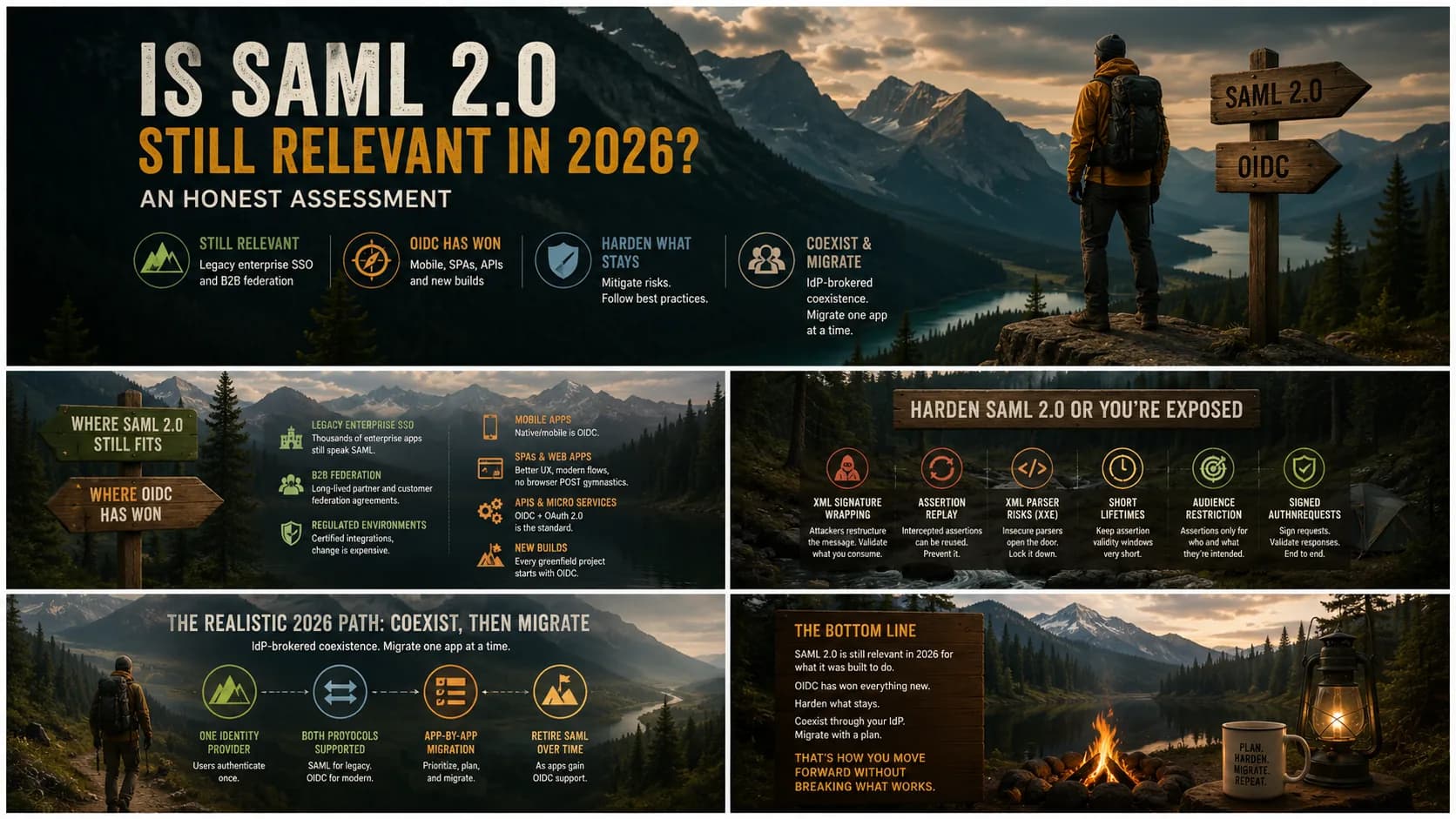
An honest 2026 assessment of SAML 2.0 — where it remains the right answer (legacy enterprise SSO, B2B federation), where OIDC has won, and how to harden and migrate what stays.

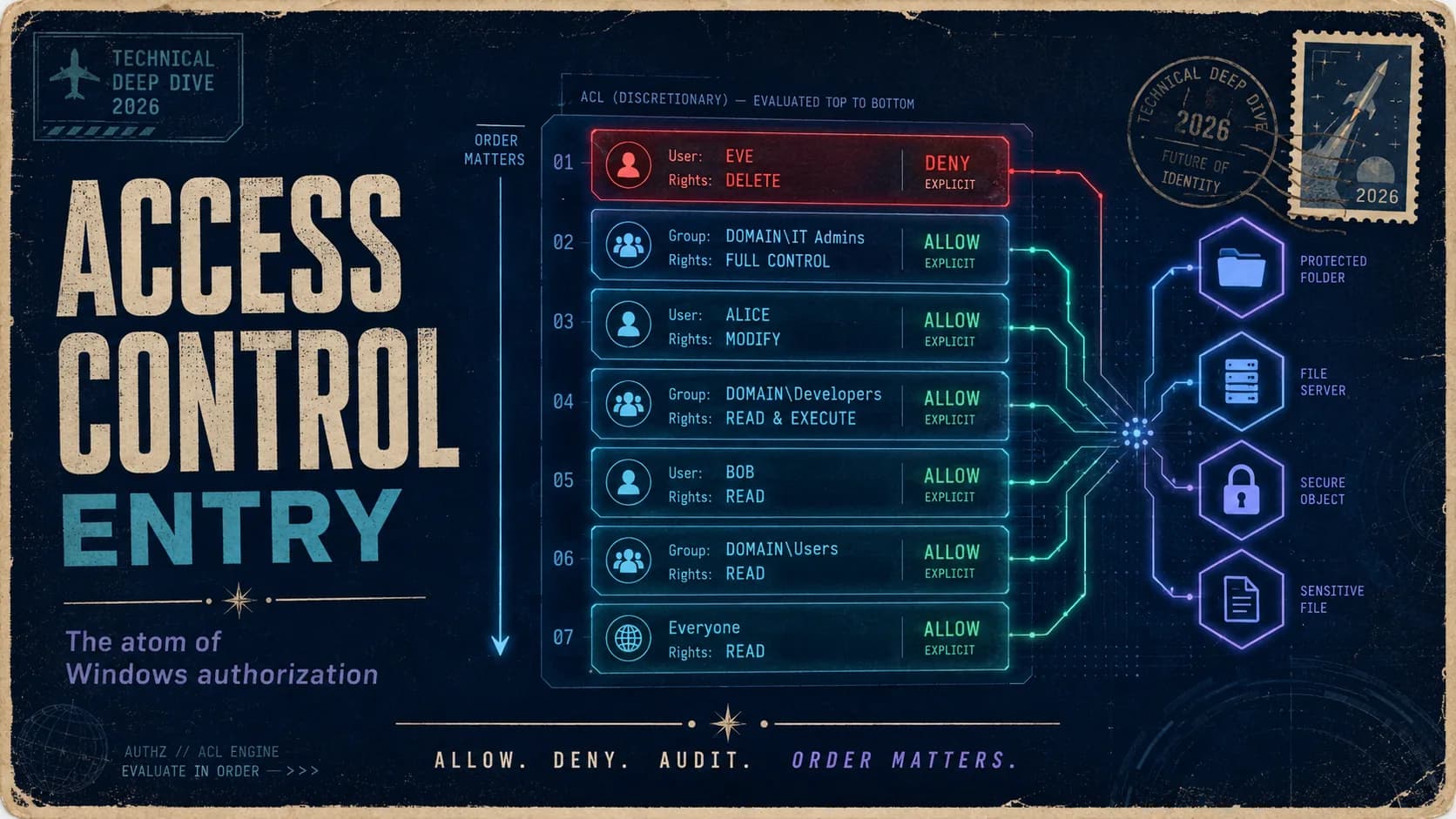
An access control entry is the smallest unit of authorization in Windows security — one trustee, one set of rights, one allow/deny/audit verdict. The 2026 technical reference: ACE anatomy, DACL vs SACL, canonical evaluation order, inheritance flags, POSIX and cloud analogues, and where ACL-based control breaks at enterprise scale.

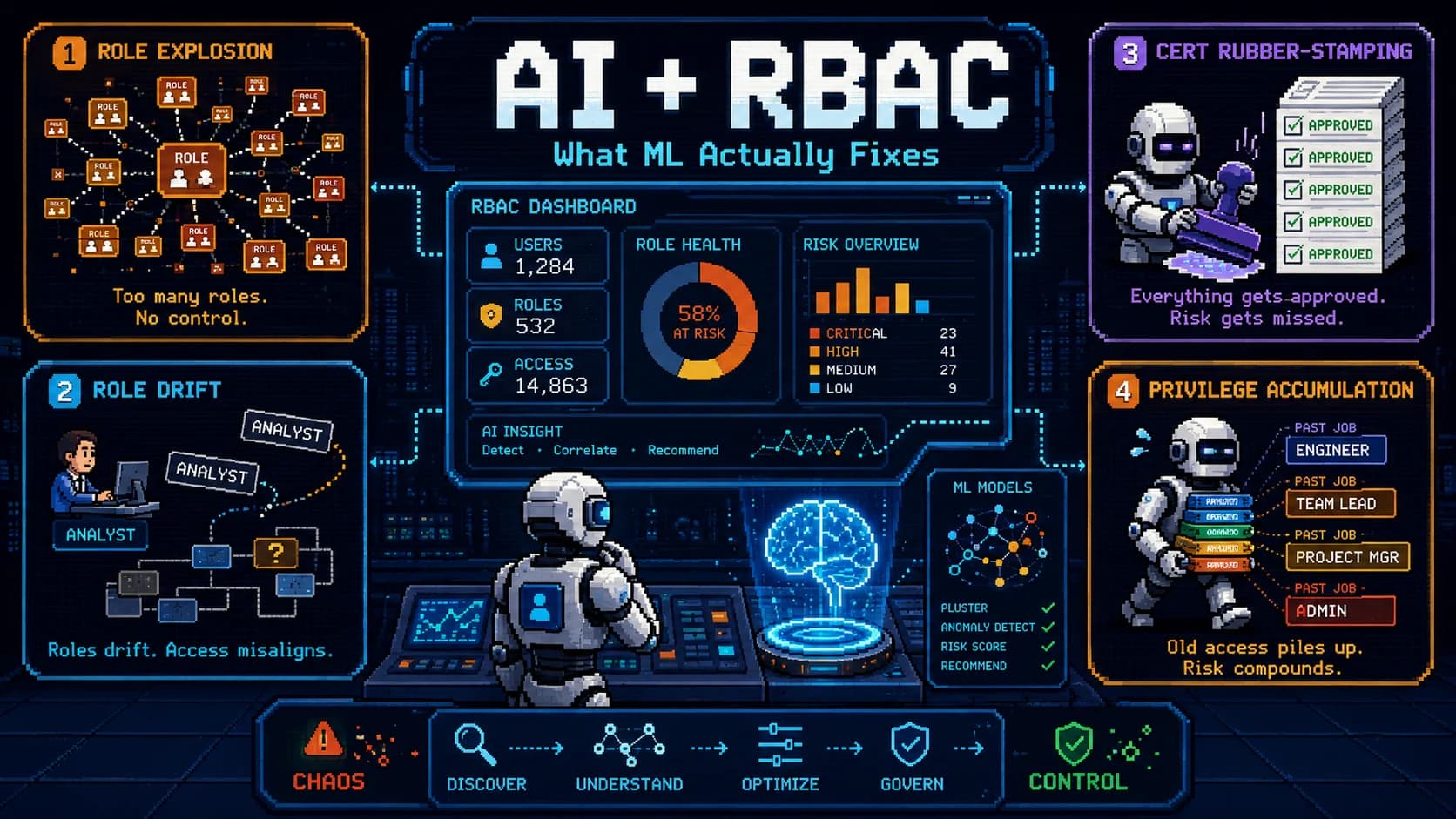
RBAC's problems are well documented and thirty years old: role explosion, role drift, rubber-stamped certifications, and privilege that only ever accumulates. AI is the first tool that attacks them at the scale they occur — but only three of the four are genuinely solvable by a model. The 2026 reference on AI-assisted role mining, entitlement clustering, certification triage, and predictive provisioning: what each one actually does, where the human stays in the loop, and why role mining on bad data just industrializes the mess.

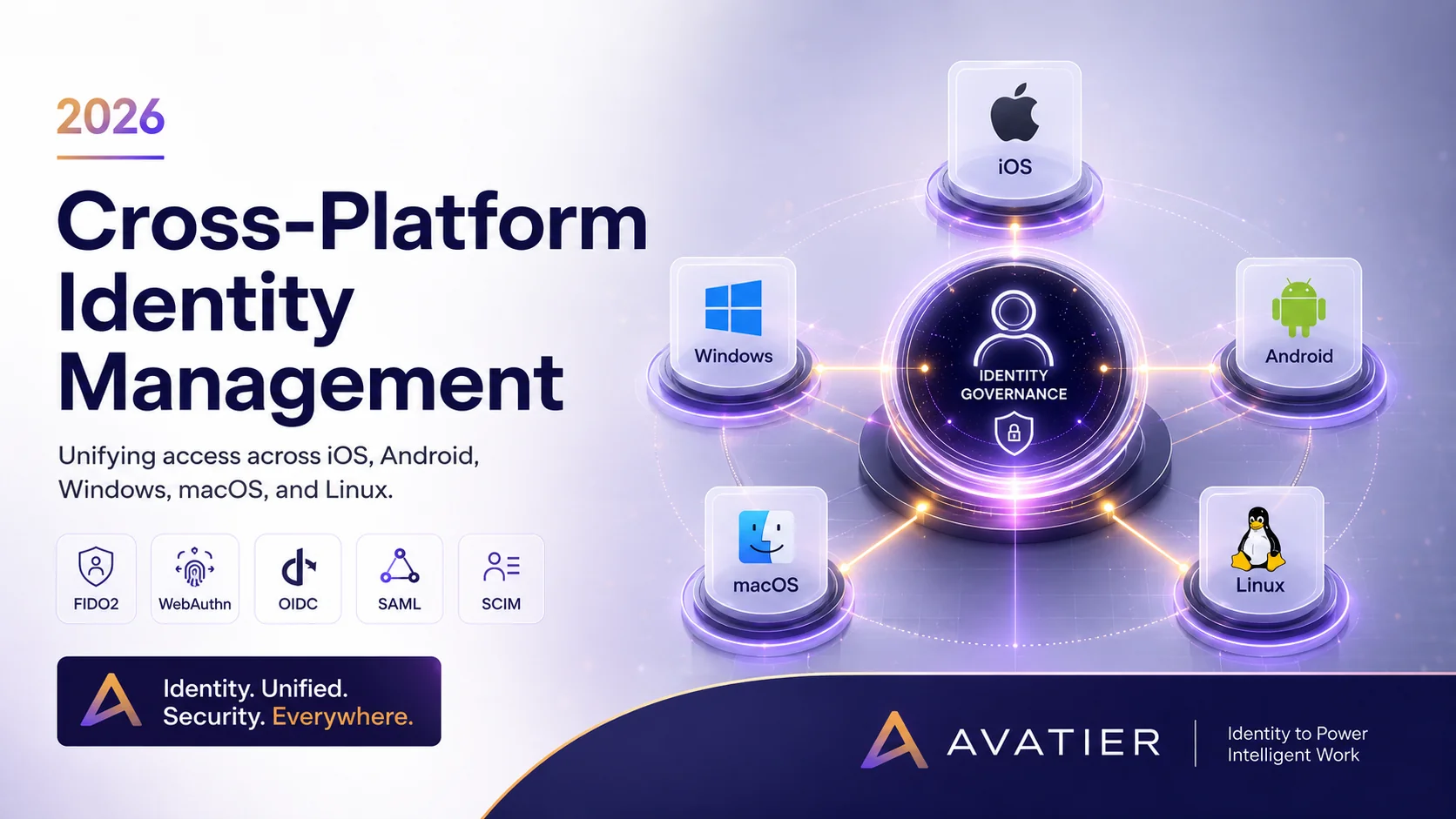
The average enterprise workforce now authenticates from three or more platforms daily — iOS, Android, Windows, macOS, Linux, and shared frontline devices — and every platform ships its own credential store, biometric stack, and passkey ecosystem. The 2026 reference on unifying identity across all of them: the platform-agnostic architecture, the passkey fragmentation problem nobody warned you about, per-platform security capability mapping, the workforce segments platform-bound authentication leaves behind, and the deployment discipline that produces one identity experience instead of five.

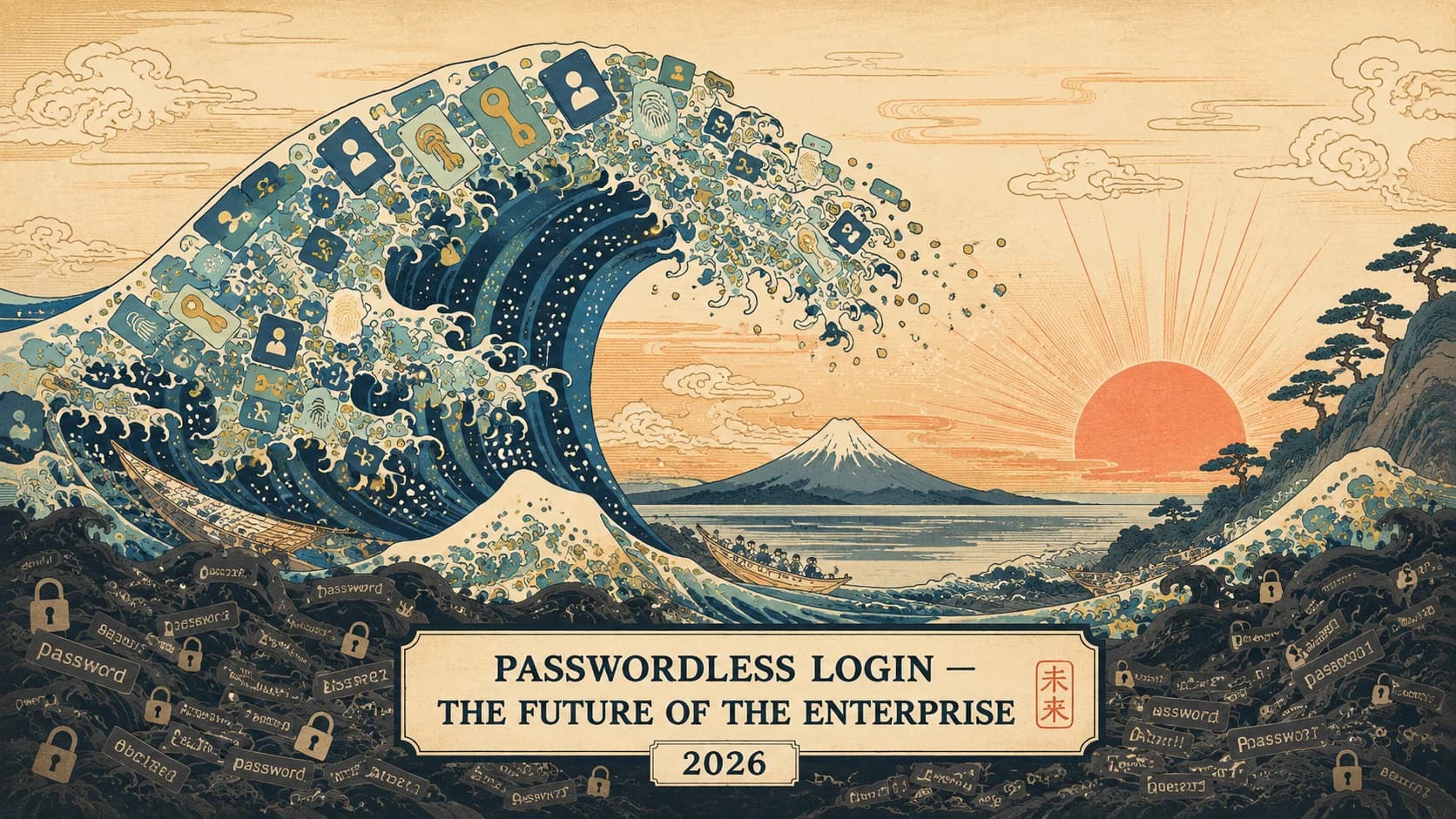
Passwordless is no longer future-tense. Passkey adoption reached mainstream enterprise deployment in 2025, hardware FIDO2 keys are the AAL3 credential across regulated industries, and platform-native passkey systems (iCloud Keychain, Google Password Manager, Microsoft Entra ID) cover the majority of workforce devices. The 2026 enterprise reference on where passwordless actually lives operationally, the sync-vs-device-bound trade-offs, the recovery-account problem that determines whether the deployment succeeds, and the cross-device UX patterns that make passwordless work at workforce scale.

Standing privilege is the legacy pattern — users (and service accounts, and AI agents) hold permanent entitlements regardless of whether they're using them right now. Zero Standing Privilege flips the model: nobody has permanent privileged access; access is granted at the moment of need and revoked automatically when the task completes. The 2026 enterprise reference on JIT access architecture, the workforce segments where it's operationally mature, and where the pattern breaks.

Privileged Access Management is the discipline that governs the small population of identities with disproportionately large blast radius — domain admins, mainframe operators, financial-system controllers, security tools, service accounts. The 2026 reference on what PAM actually covers, where it overlaps and diverges from IGA, and the architecture that gets both right.

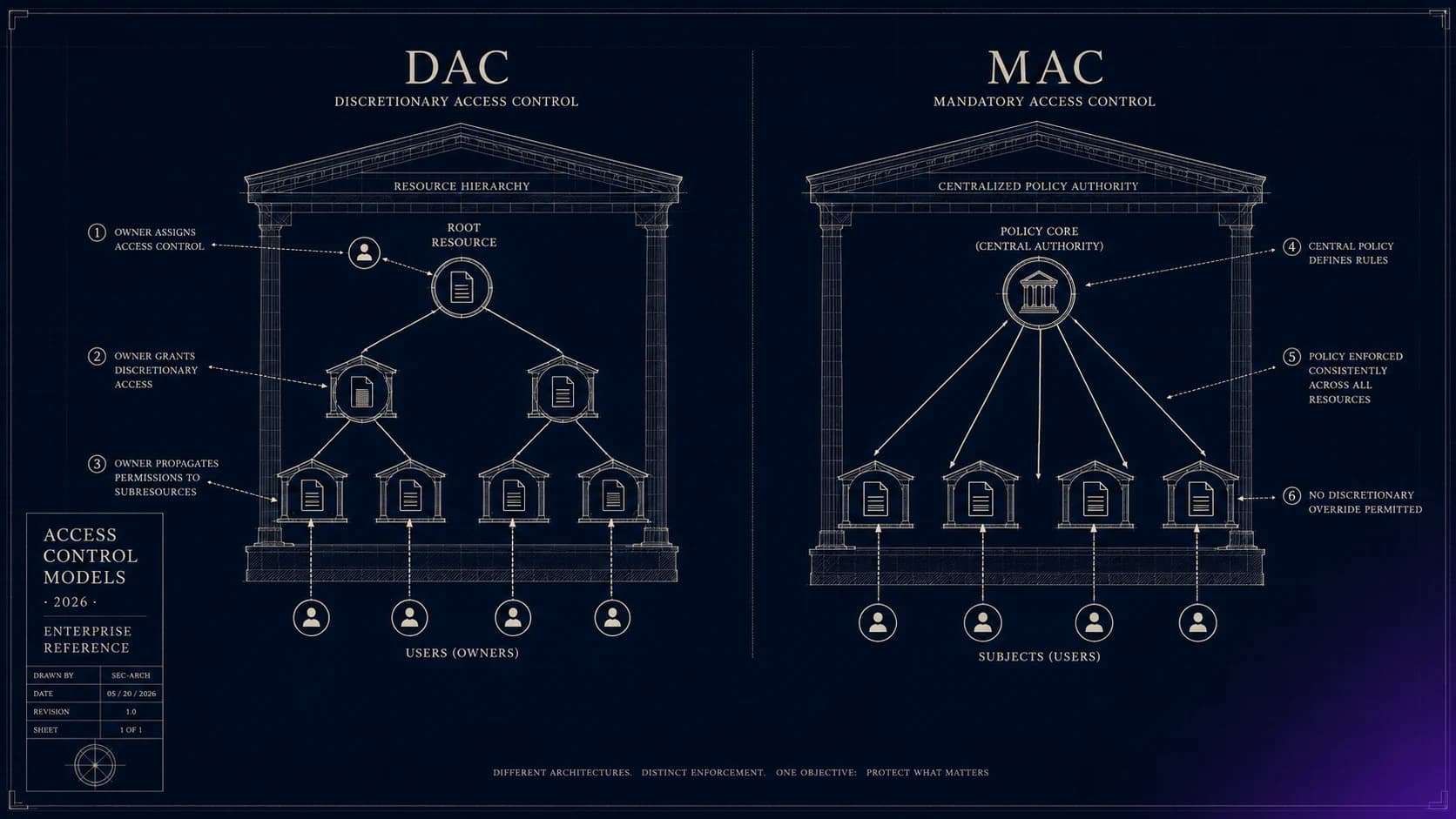
Mandatory Access Control and Discretionary Access Control are the two foundational access-control models that frame every enterprise IGA decision. The 2026 reference on what each model actually enforces, where RBAC and ABAC fit, how mainframe RACF and ACF2 implement both, and the architecture that composes them cleanly.
Savings Calculator
Enter your company size and see how much your help desk spends on password resets — and how much Avatier Credential Governance saves.
Avatier Credential Governance reduces your cost by
Over 1 year