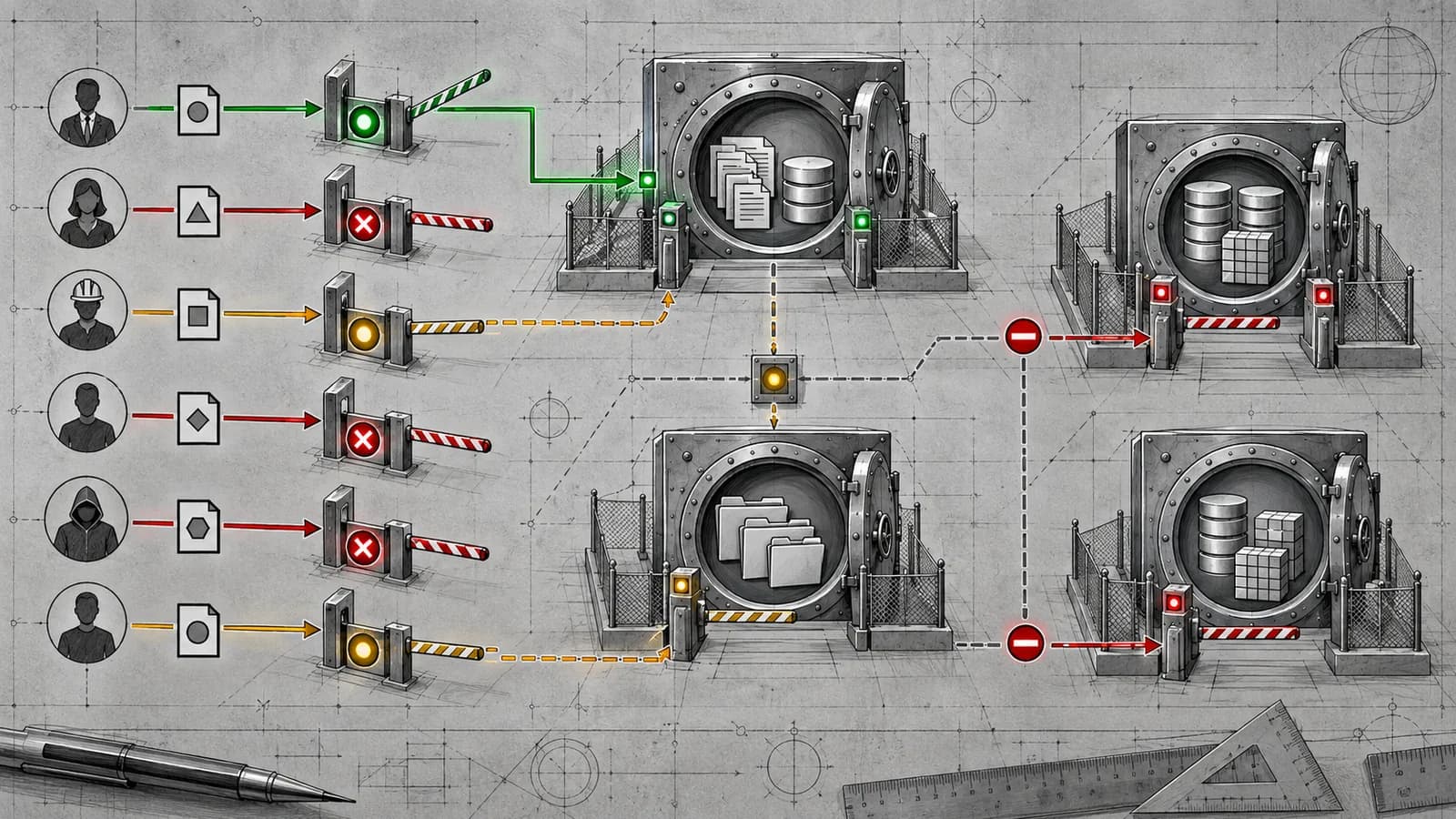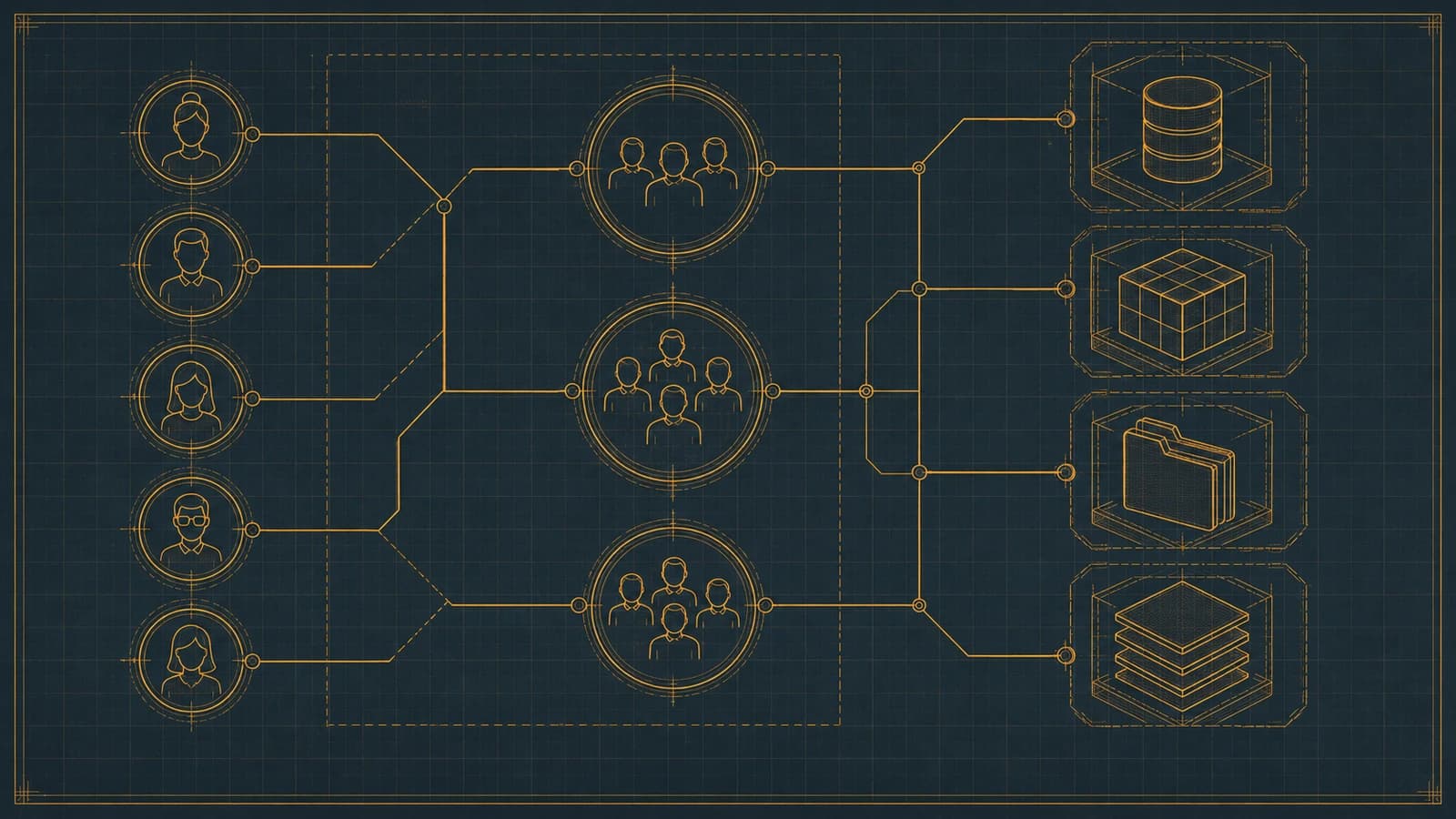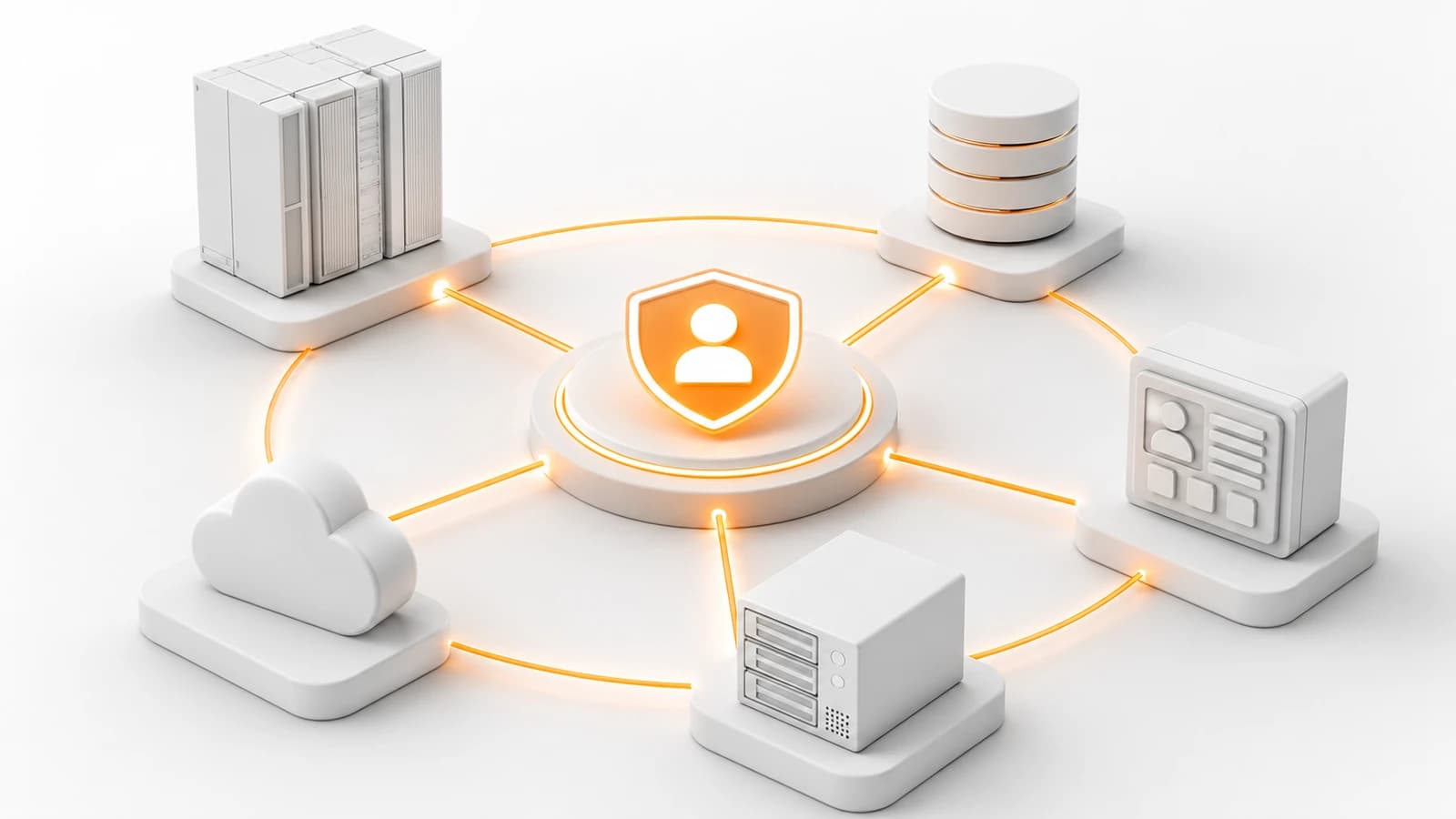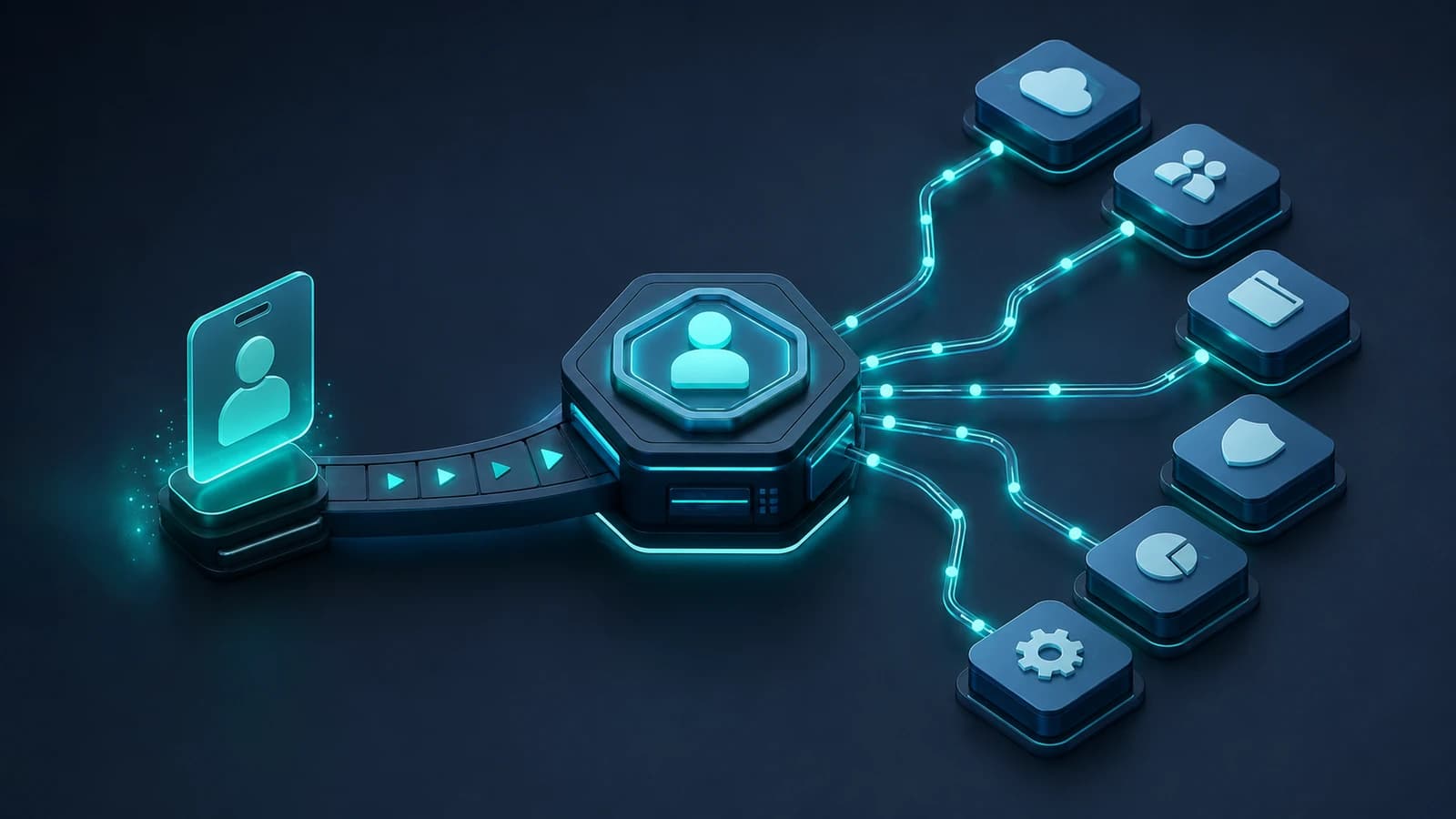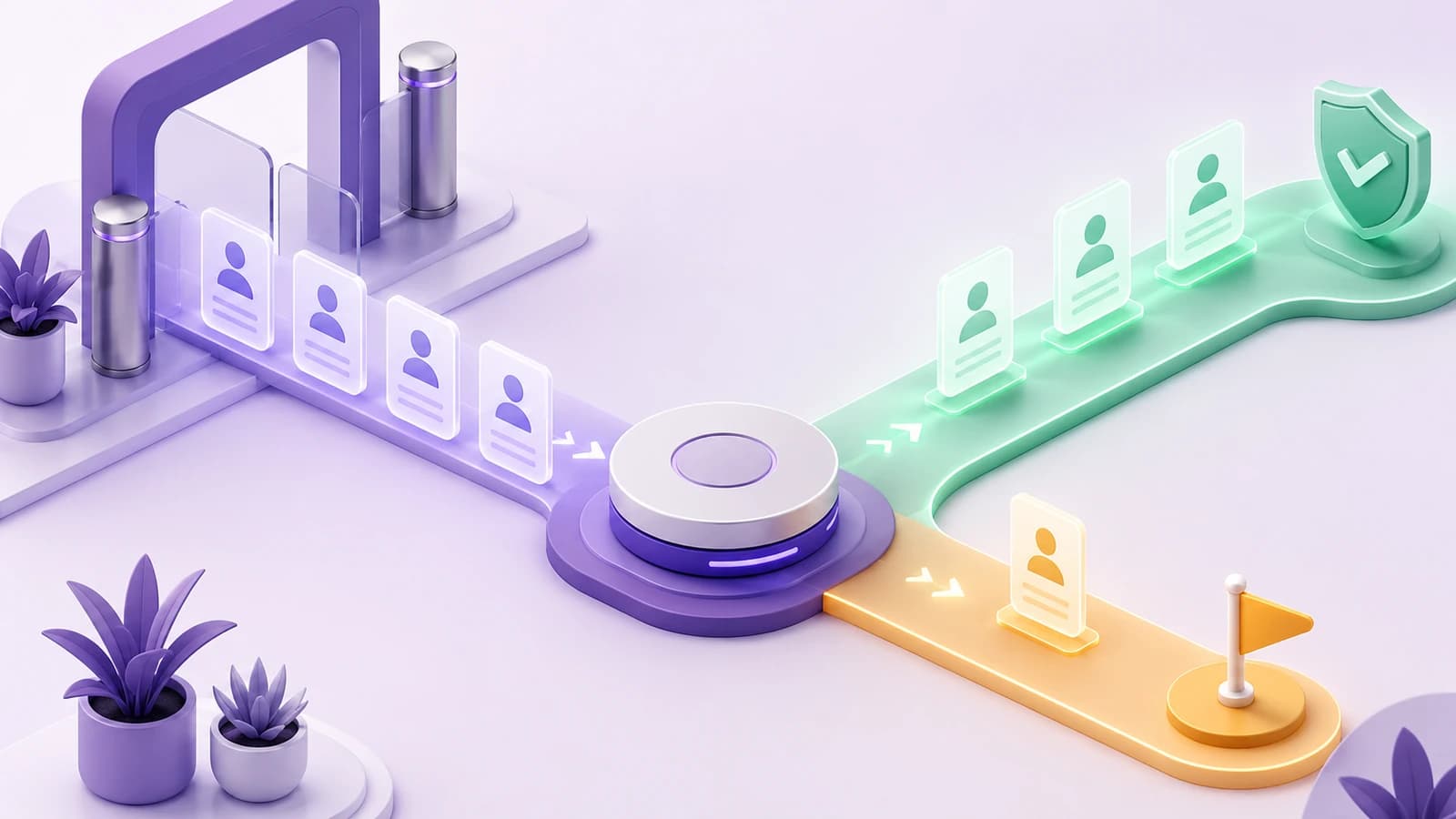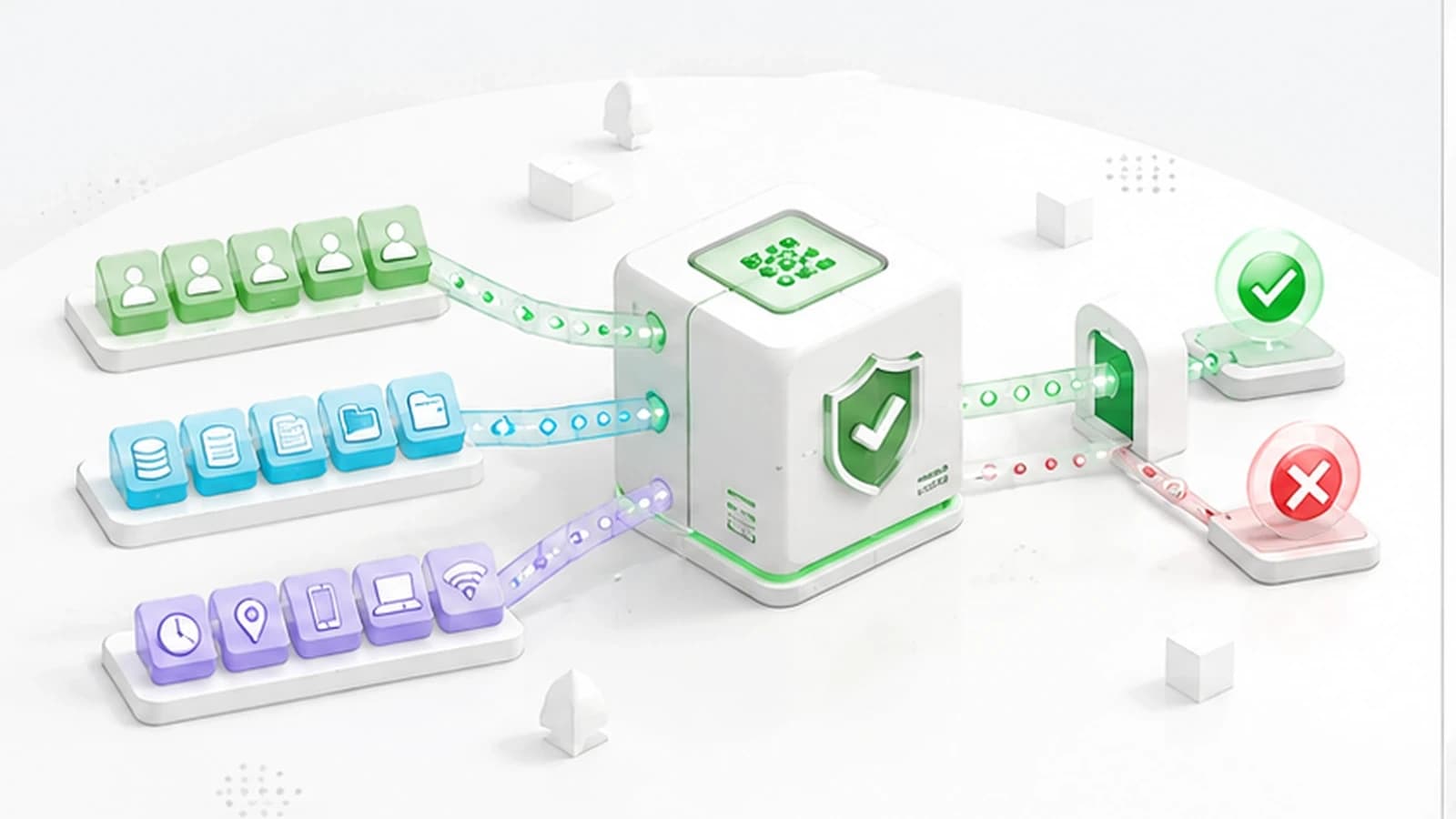
What Is a Secure Outcome? Avatier's Unit of Identity Work
A Secure Outcome is a completed, verified, policy-compliant identity activity. The categories, the six fields each one records, and why it is the unit Avatier customers pay for.
Industry analysts and investors tracking the credential governance and identity market.
Showing 146

A Secure Outcome is a completed, verified, policy-compliant identity activity. The categories, the six fields each one records, and why it is the unit Avatier customers pay for.

Contractors and vendors need real access for a limited time, and their accounts outlive the engagement. How to bound third-party access to the engagement and prove it ended, with Avatier.

Hybrid passwordless lets users stop typing passwords where they can while the passwords legacy systems still need stay governed. Here is how Avatier's True Hybrid Model is described.

Identity reporting for executives means one evidence set, answered three ways. What the CISO, CFO and security team each need, and how Avatier Ledger's Persona Briefings deliver it.

A shadow AI agent acts with borrowed credentials and no owner. How shadow agents get access, how to find them, when to govern or retire one, and the sanctioned path Avatier provides.

AI can prepare, route, and evidence access reviews, but a named reviewer still decides. Where AI belongs in certification, the evidence auditors test, and what Avatier ships.

Before any per-action conversation makes sense, someone has to count. How to define the unit, find the counts, de-duplicate across sources, and produce a 12-month baseline you can defend.

Dynamic groups replace hand-maintained membership lists with rules over identity attributes. The 2026 guide to writing those rules, choosing an evaluation cadence, handling the people the rule gets wrong, and detecting drift.

You already know the groups have sprawled. This is the remediation program that reverses it: discovery, ownership assignment, consolidation order, and deletion with a rollback window.

Outcome-based software pricing charges for completed, verified, audited work instead of seats, modules, or long commitments. In an AI era where the best technology can change in a quarter, it is the pricing model that lets a CFO keep options open and make every vendor prove its value.

OAuth and MCP aren't rivals. MCP connects AI assistants to tools, and its authorization builds on OAuth 2.1. What each one answers, what scopes miss, and how Avatier governs each action.

Least privilege for AI agents means task-scoped, time-bound access capped at the user's own authority. A five-step how-to for scoping MCP tools, and where the MCP spec helps.

Deprovisioning an AI agent retires its identity, credentials, and tool access when its purpose ends. The triggers, a seven-step offboarding runbook, and how Avatier supports it.

Pay Per Identity Action™ is Avatier's outcome-based identity pricing model: you pay only for completed, verified, policy-compliant identity outcomes, not for seats, modules, or services hours.

Agentic identity is the governed identity an AI agent acts under. How it differs from human and machine identity, how delegated authority works, and the lifecycle that keeps agents accountable.

MCP identity governance controls which identity, through which AI assistant, may invoke which identity tool, under what policy, and with what evidence. How it works and how to put it in place.

How to secure MCP servers: the enterprise threat model, from tool poisoning to confused deputies, and the step-by-step controls that keep AI tool calls scoped, approved, and audited.

An AI agent audit trail proves which identity acted, who asked, under whose authority, and what policy allowed it. What the record should hold, why logs fall short, and how Avatier Ledger works.

Privilege creep is access quietly accumulating beyond what a role needs — the entitlements that never get removed when people change jobs, cover for others, or run one-off projects. The practical 2026 guide to discovering the excess, revoking it, and keeping it from rebuilding.

Data access governance is the discipline of controlling who can reach which sensitive data, under what conditions, and proving it to auditors. It is distinct from IAM, which grants access to systems, and from CIEM, which governs cloud infrastructure. The practical 2026 guide to governing access to the data itself.

An orphaned account has no valid owner; a dormant account has an owner but no recent activity. Both hold real access nobody is watching. The practical 2026 guide to finding, remediating, and preventing the accounts your lifecycle process leaves behind.

B2B external identity and guest access is the discipline of governing partner, vendor, contractor, and guest identities that are not employees. The 2026 enterprise guide to what external access is, the controls that keep it safe, and the lifecycle that keeps it from becoming a breach path.

Identity federation is a trust relationship between separate identity providers so that one login works across domains and organizations. The foundational 2026 reference on what federation is, how it differs from SSO, and the protocols that carry it.

What CIAM actually is, what it has to handle that workforce IAM never does, the four building blocks that make it work, and the constant balancing act between a login your customers will tolerate and one an attacker cannot walk through.

Zero trust for identity means never trusting a request by default and verifying every one against live signals — identity, device posture, location, and risk. The foundational 2026 reference on what that actually requires.

Most enterprises run on-premises Active Directory and Microsoft Entra ID at the same time, bridged by identity synchronization. This is the 2026 reference on why the hybrid estate exists, where the sync bridge fails — duplicate identities, sync gaps, conflicting policy, password and hash drift — and the path to inventorying both directories, syncing or federating them, unifying policy, and governing the whole estate as one.

Machine identity management is the discipline of issuing, governing, and retiring the credentials that workloads, services, APIs, and machines use to authenticate — a population that now outnumbers human users by an order of magnitude. What it is, why machines need managed identities, where the risk concentrates, and the controls that bring workload credentials under lifecycle discipline.

Every enterprise accumulates identity sprawl — the same person represented as a dozen accounts across a dozen directories, SaaS tenants, cloud IAM systems, and acquired-company domains, with no single authority reconciling them. The 2026 reference on why sprawl happens, what it actually costs, and the consolidation path that pulls fragmented identities back under one governed source of truth without a rip-and-replace program.

An identity fabric unifies fragmented IAM, IGA, PAM, and directories into one system with unified policy and observability. Its building blocks, and what Avatier ships toward the pattern.

Certificate lifecycle management is the discipline of issuing, deploying, monitoring, renewing, and revoking TLS and PKI certificates before any of them expires unnoticed. The 2026 reference on running certificates at enterprise scale — and where automation stops.

Separation of duties is the control that says no single person may hold every step of a risky transaction — the requester can never also be the approver. This is the 2026 reference on SoD in identity and access management: toxic entitlement combinations, preventive versus detective enforcement, and how the control ties to SOX, RBAC, and least privilege.

Automated user provisioning creates, updates, and revokes access from a single source of truth as identity events happen. What it is, how it works, and how to implement it.

Most account takeovers don't start with a new exploit — they start with a password the attacker already has, which is exactly why the preventive controls that work look nothing like the ones most programs invest in first.

PIM, PAM, and PUM get used interchangeably and mean three different things. PIM manages who holds privileged identity and which roles carry it. PAM controls how privilege is exercised through vaulting, session control, and just-in-time elevation. PUM manages the shared privileged accounts nobody personally owns. The 2026 reference on distinguishing the three terms, where they overlap, and where to start.

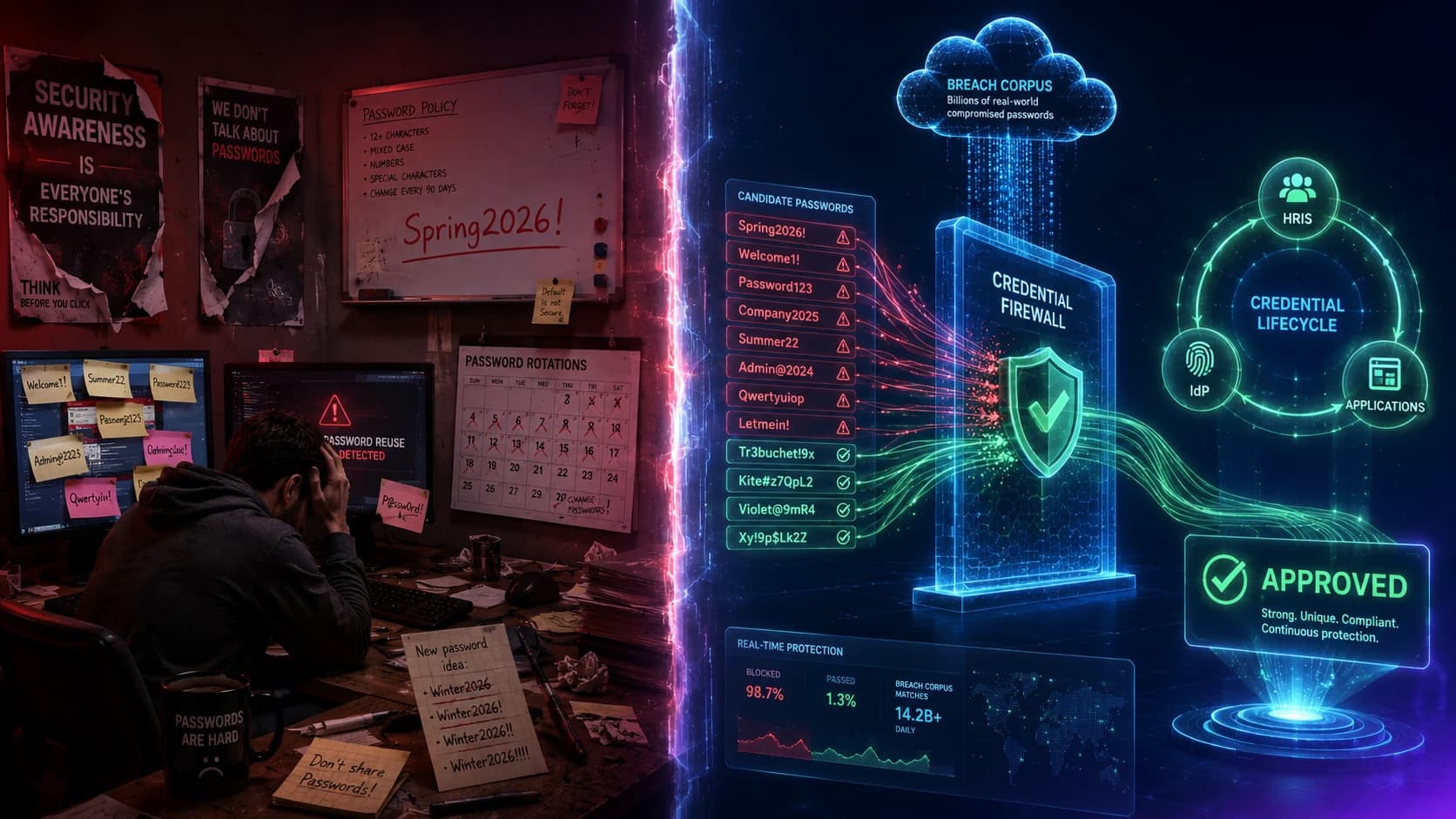
Complexity rules don't measure what attackers actually exploit. Strength does. The architecture that produces strong workforce passwords without the 'Spring2026!' rotation theater that wastes everyone's time.

Every major transformation initiative — cloud migration, remote and hybrid work, mergers and acquisitions — eventually stalls on the same question: who gets access to what, and who decided? The 2026 strategy reference on identity management as the enabler and the bottleneck of digital transformation, the business case executives actually fund, and what modernization does not fix.

Static identity rules catch the attacks that announce themselves. They miss the ones that log in with valid credentials and behave almost normally. The 2026 reference on AI-driven identity monitoring — what behavioral analytics actually detects, the four telemetry sources that make or break the model, and the false-positive economics nobody budgets for.

Identity governance fails when it runs as a security-team-only initiative. The 2026 framework for cross-functional collaboration: four stakeholder groups, three coordination models, and how zero trust makes it a shared discipline.

Infrastructure-as-a-Service breaks identity models built for one directory. The 2026 reference on multi-cloud fragmentation, compliance auditability, and provisioning automation at IaaS scale.

DNS resolution, DNSSEC integrity, and DNS poisoning as a credential-harvesting vector — the 2026 reference on treating DNS as identity infrastructure, not network plumbing.

The CIA triad — confidentiality, integrity, availability — is a practical cost framework for identity programs, not just theory. Here's what neglecting each pillar actually costs.

Password hash synchronization keeps on-prem Active Directory and Microsoft Entra ID authoritative together — how the sync cycle works, its security tradeoffs, and where it fits against federation.

A category-level guide to how the IAM vendor market segments into suites, point solutions, and platform plays, plus the criteria and red flags that separate real capability from marketing claims.

Cloud infrastructure PAM controls privileged sessions into AWS, Azure, and GCP — vaulting root credentials and enforcing just-in-time elevation instead of standing admin roles.

Boards don't fund CVE counts — they fund dollar exposure. A practical framework for turning access sprawl, orphaned accounts, and audit findings into risk language executives actually act on.

A single impersonation call to a help desk — not a firewall failure — triggered a 2023 casino-industry breach that cost roughly $100 million, and the fix is verification discipline, not new firewalls.

Federal agencies pass FISMA audits every year and still get breached — the identity governance gaps assessors keep missing are the same ones attackers exploit.

The governance lessons enterprises should draw from major identity breaches — not the attack mechanics, but the structural gaps that let one credential become a headline.

Identity and access management is the control layer that decides who and what can reach enterprise systems — and in 2026 it functions as the security program itself, not a supporting utility underneath it.

Attackers rarely break provisioning systems outright — they walk through orphaned accounts, standing privilege, and unrevoked access left behind, and identity governance is what closes it.

Real-time regulatory monitoring replaces the quarterly compliance scramble with a continuous detect-assess-remediate loop, but only if the identity data underneath it is accurate to begin with.

Malicious, negligent, and compromised insiders each leave distinct behavioral and access-pattern red flags — and identity governance, not perimeter security, is what actually contains the resulting blast radius.

SSO answers who logged in, not what they can touch or why -- 2026 access management adds governance, analytics, and lifecycle automation, plus a new problem: AI agents that don't federate.

RACF grants access through groups, not users: ADDGROUP builds it, CONNECT enrolls the user, PERMIT binds it to a resource. How assignments, nested membership, and access decisions resolve in 2026.

Connecting a modern IAM platform to the applications you already run is a connector problem before it's a strategy problem — SCIM, LDAP/AD, SAML/OIDC, and API or agent connectors, matched to what each app can actually speak.

AI-driven provisioning replaces manual tickets and static rules with policy-based access grants triggered by HRIS and identity-graph signals — but only inside guardrails a human still has to own.

RACF enforces password complexity, expiration, history, and lockout through SETROPTS PASSWORD suboperands — RULEn, INTERVAL, HISTORY, and REVOKE. The 2026 reference on the exact syntax, why PCI-DSS and SOX still mandate it even as NIST 800-63B moves the industry away from rotation and composition rules, and where RACF-level enforcement alone stops being enough.

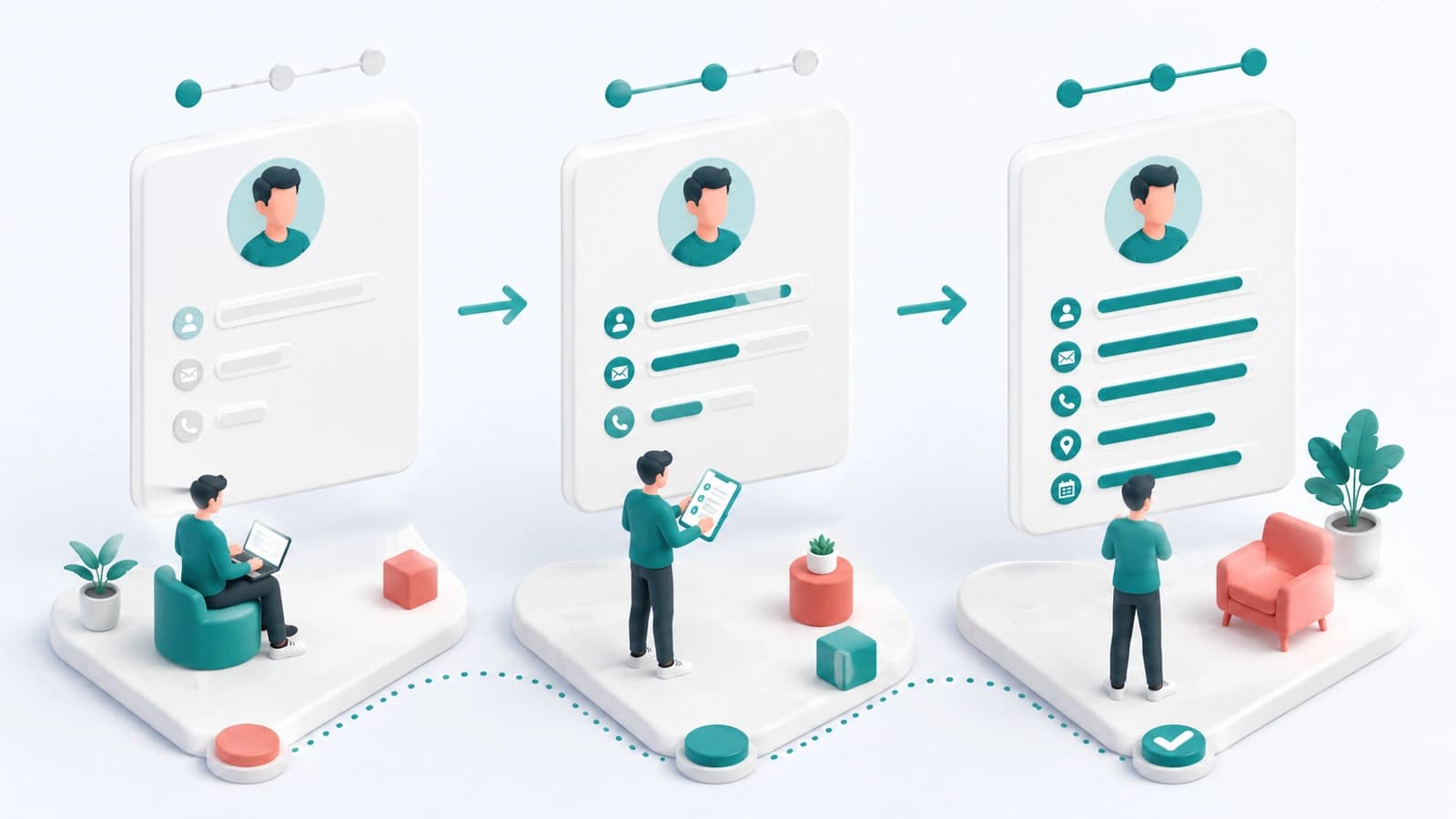
Progressive profiling builds a customer identity profile in small, consented steps across sessions instead of demanding it all at registration — here's how the consent mechanics actually work.

Most identity-driven breaches follow the same chain — stolen credential, no MFA, lateral movement, exfiltration — and the controls that break that chain are well understood, if rarely fully deployed.

AI-driven fraud detection in access control catches collusion, synthetic identities, and gamed certifications by modeling relationships and approval patterns, not just individual behavior.

A technical walkthrough of how machine learning models actually detect identity anomalies — baselining, feature signals, unsupervised versus supervised approaches, and false-positive tuning.

AI now assembles, drafts, and maintains the compliance evidence auditors ask for across SOX, HIPAA, PCI, and FISMA — but it still needs a human to attest before anything gets filed.

SCIM is the RESTful, JSON-based standard that automates identity provisioning and deprovisioning between a source of truth and downstream apps. What it is, how it works, and where it fits in IGA.

How service-to-service authentication, mTLS, and workload identity replace the network perimeter microservices architectures outgrew — the 2026 reference for CISOs and platform teams.

ABAC evaluates subject, resource, and environment attributes against policy at request time, not a fixed role. The 2026 reference on what ABAC does differently, and where it earns its complexity.

The cost of identity-management failure is not a single line item — it is a breach that starts with a compromised or over-provisioned credential, the downtime while responders lock the environment down, the compliance penalties that follow inadequate access controls, and the customer and market trust that erodes long after the incident closes. This 2026 reference separates the cost of IAM failure from the cost of the IAM program, gives extractable answers to how each failure channel becomes real money, and covers the controls that lower the risk without ever eliminating it.

The operational companion to the RBAC fundamentals reference — how to actually implement enterprise role-based access control well. Rollout sequencing, role design that avoids explosion, least-privilege enforcement in practice, entitlement modeling, provisioning integration, access reviews, and the pitfalls that sink real programs.

A senior practitioner's 2026 comparison of CIAM (customer identity) and workforce identity management — what actually differs, when to use each, how they sit in an enterprise architecture, and the one governance model underneath both.

A break-glass account is a pre-provisioned, tightly governed emergency credential that grants high-privilege access when normal authentication paths are unavailable — during an outage, an admin lockout, or a disaster-recovery scenario. The 2026 reference on what break-glass means in technology, when to invoke it, and the approval, auditing, time-boxing, and rotation controls that keep the emergency credential from becoming a standing back door.

Role-based access control is the model that grants access through roles instead of one user at a time. This is the 2026 foundational reference — what roles, permissions, role hierarchy, least privilege, and separation of duties actually mean; where RBAC sits against ABAC, DAC, and MAC; how role explosion and role mining play out; and why banks and financial institutions lean on RBAC to enforce regulated, segregated access at scale.

Password resets are usually the single largest category of help-desk contacts — and the most reducible. This 2026 update covers the help-desk KPIs that actually matter for identity and password support, how to baseline them, and the specific levers — self-service reset, password synchronization, MFA-verified reset, and passwordless — that cut reset ticket volume and cost. Plus the hardened path for the tickets that remain, and an honest look at what the KPIs do not tell you.

In identity and access management, user experience is not a design nicety layered on top of security — it is the variable that decides whether your controls get used or quietly routed around. The 2026 practitioner guide to why friction drives workarounds, where UX breaks across the identity lifecycle, how to measure it, and the UX-versus-security tradeoff done right.

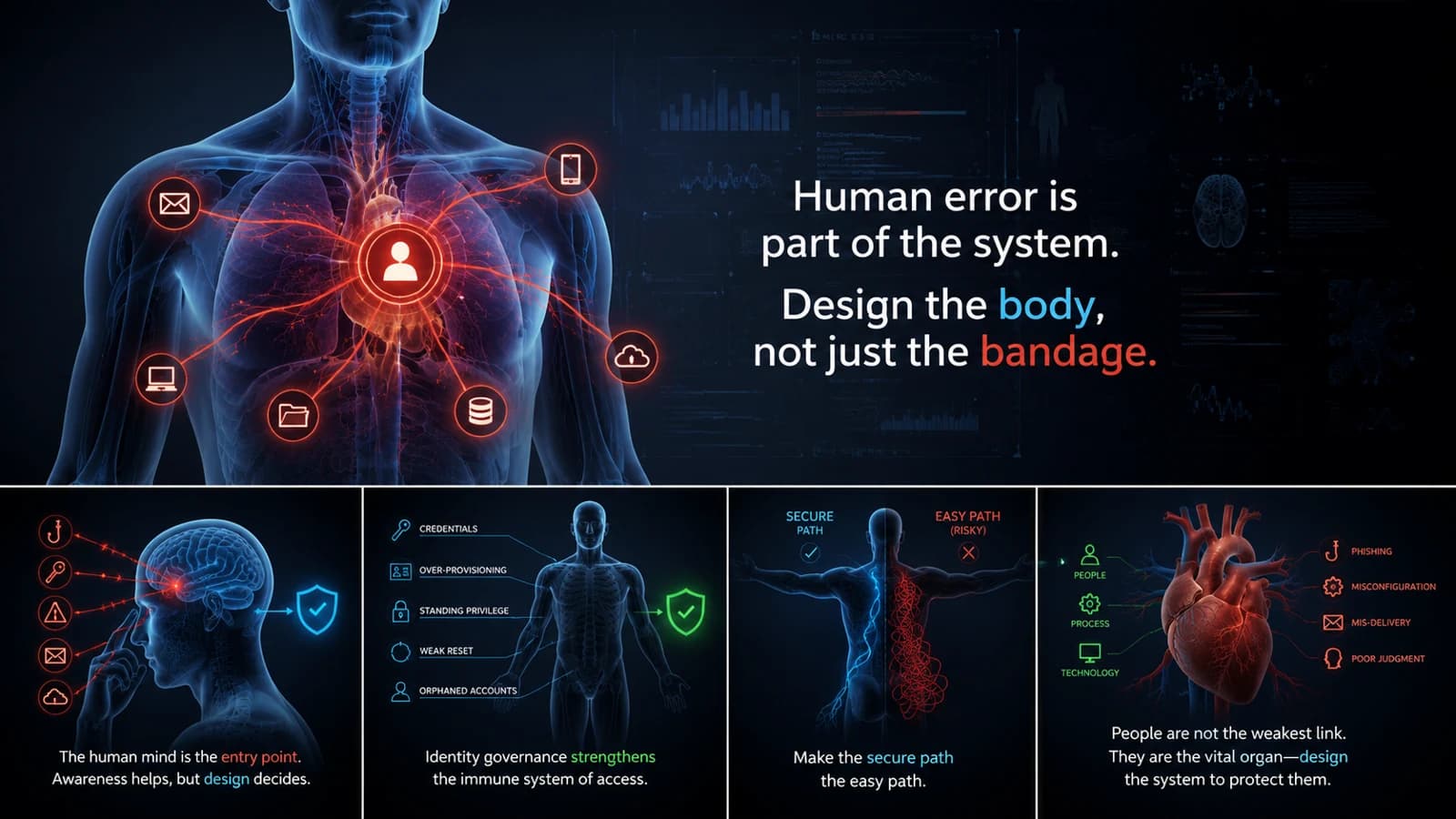
There is no single authoritative percentage for human error in breaches — the honest answer is directional: most breaches involve a human element, and the exact figure depends on who is counting and what they count.

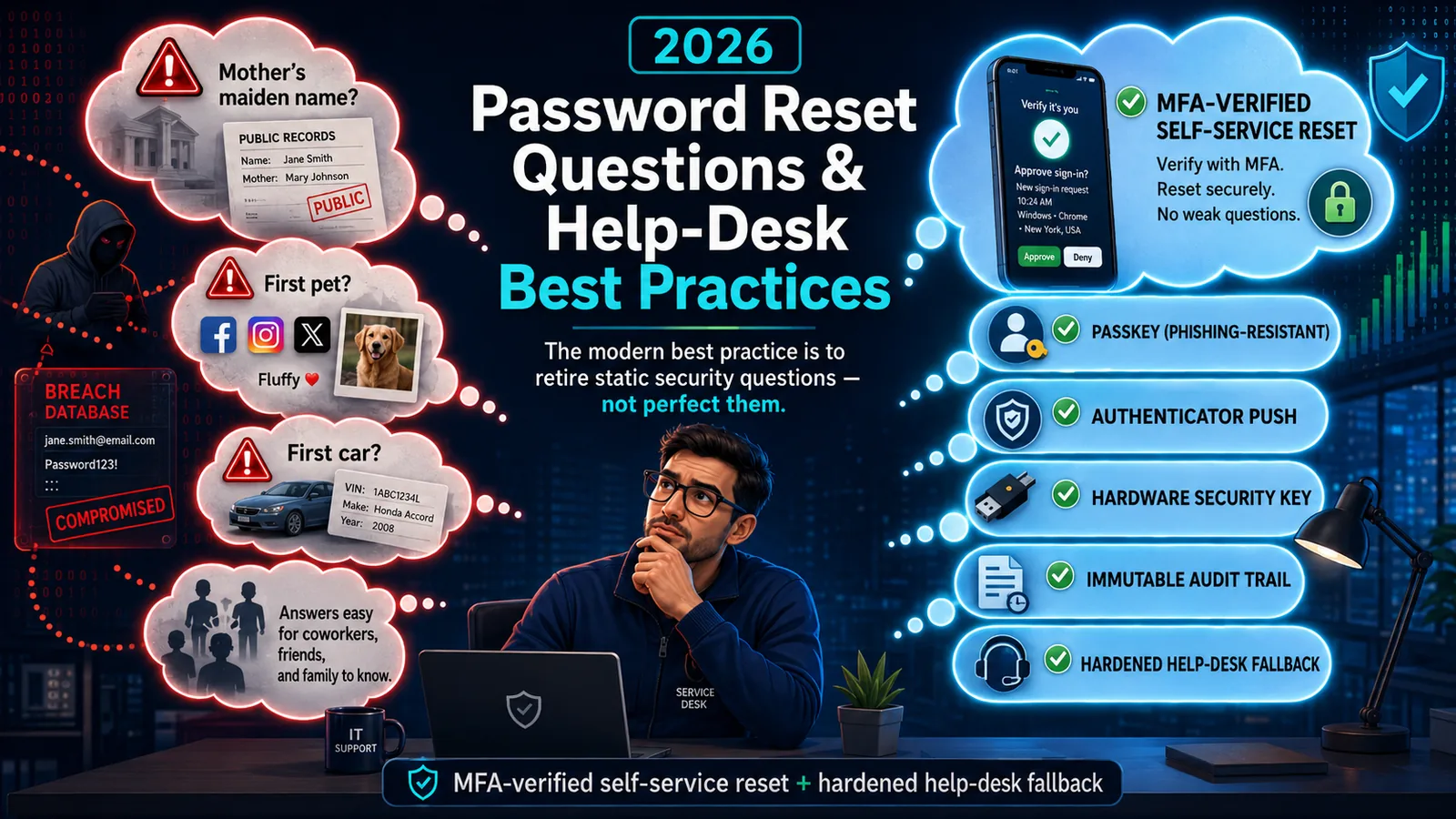
Static security questions are the weakest link in password reset — OSINT-discoverable, shared, and breach-exposed. The 2026 best practice: retire them for MFA-verified self-service reset.

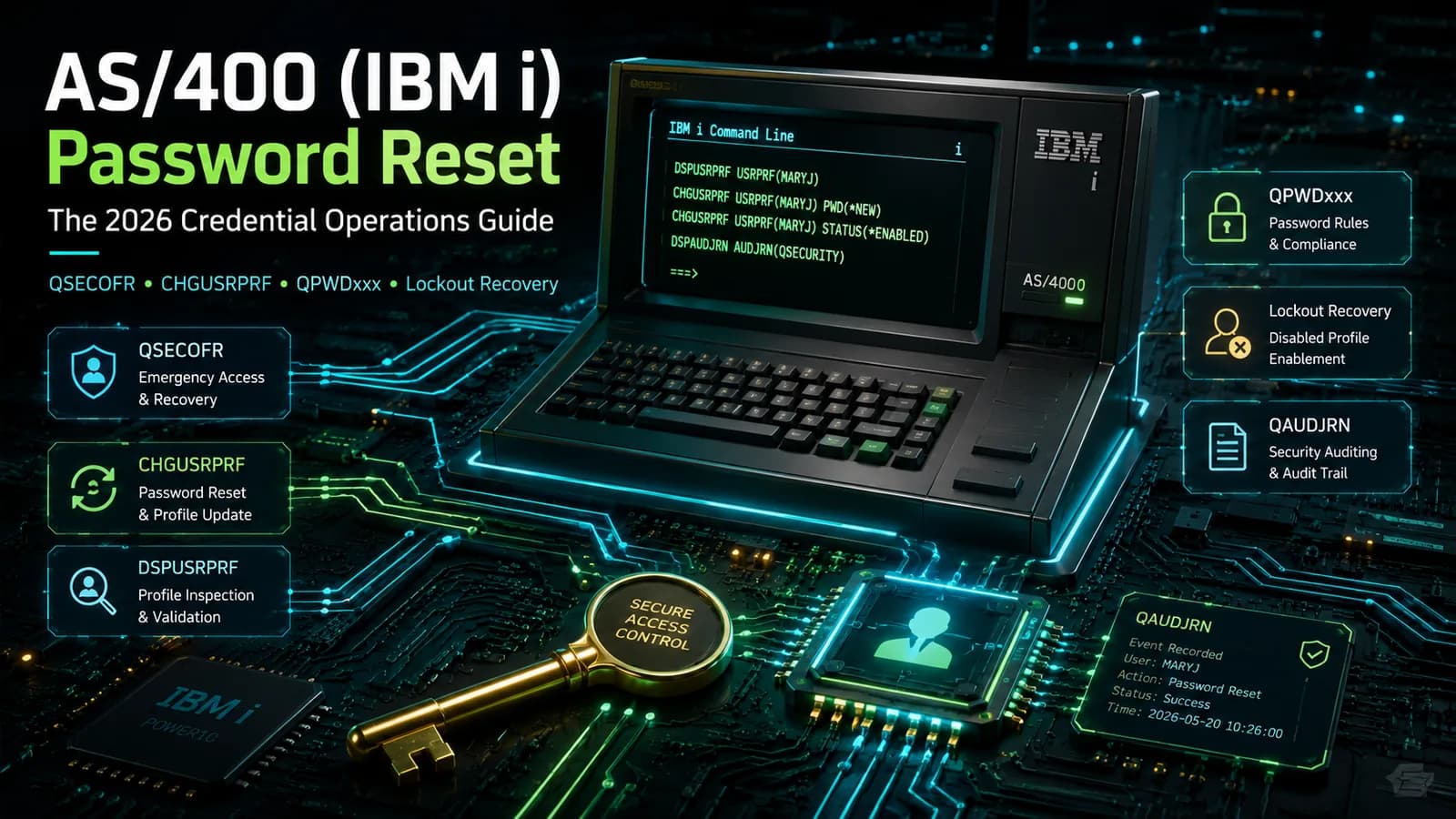
How password reset works on AS/400 (IBM i) — QSECOFR, user profiles, CHGUSRPRF, the QPWDxxx system values, disabled-profile recovery, and the hardening that keeps reset from becoming the weakest link.

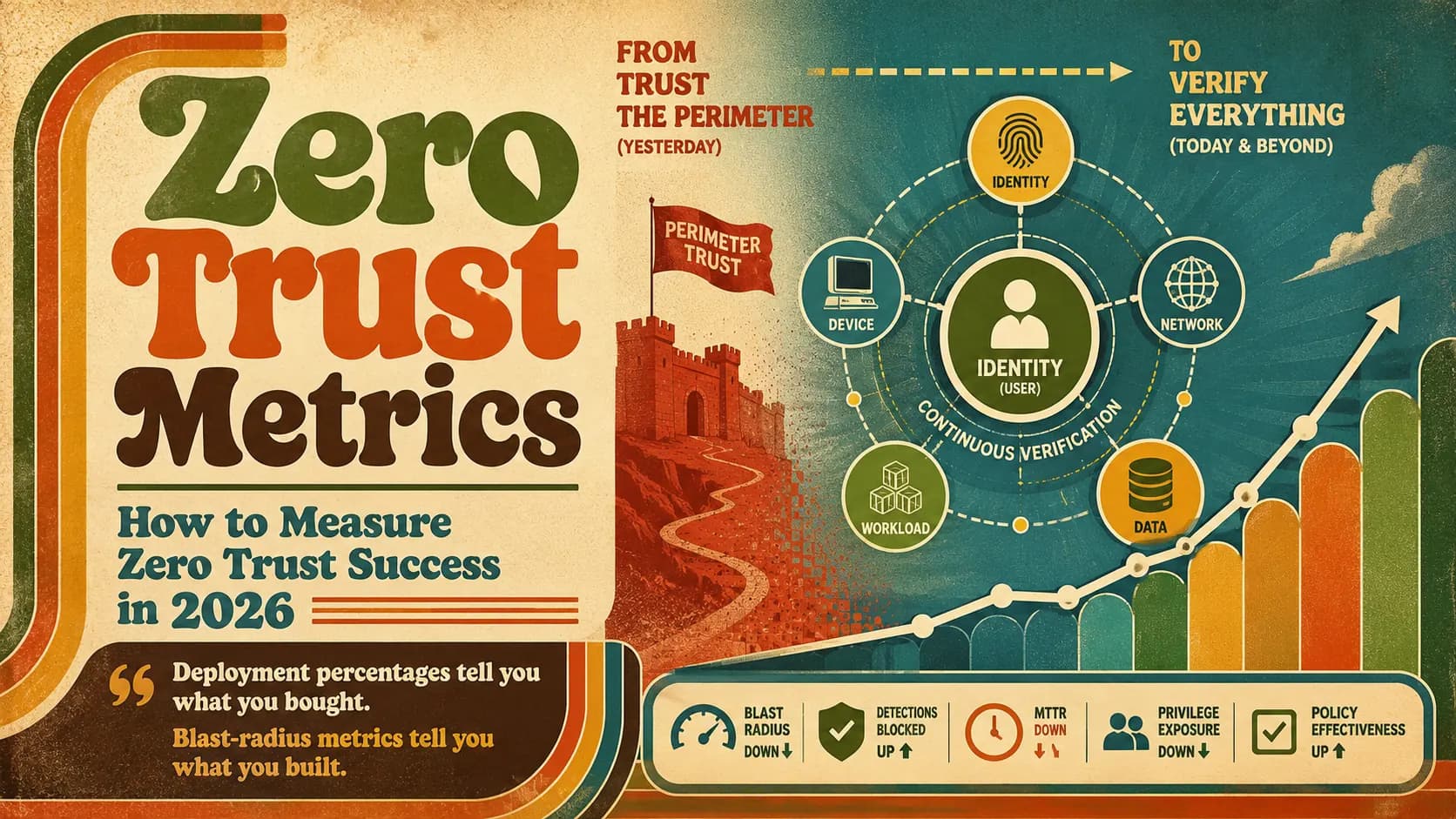
The 2026 reference on zero trust metrics: the five measurement domains, the identity KPIs that predict blast radius, maturity checkpoints, and the numbers that mislead.

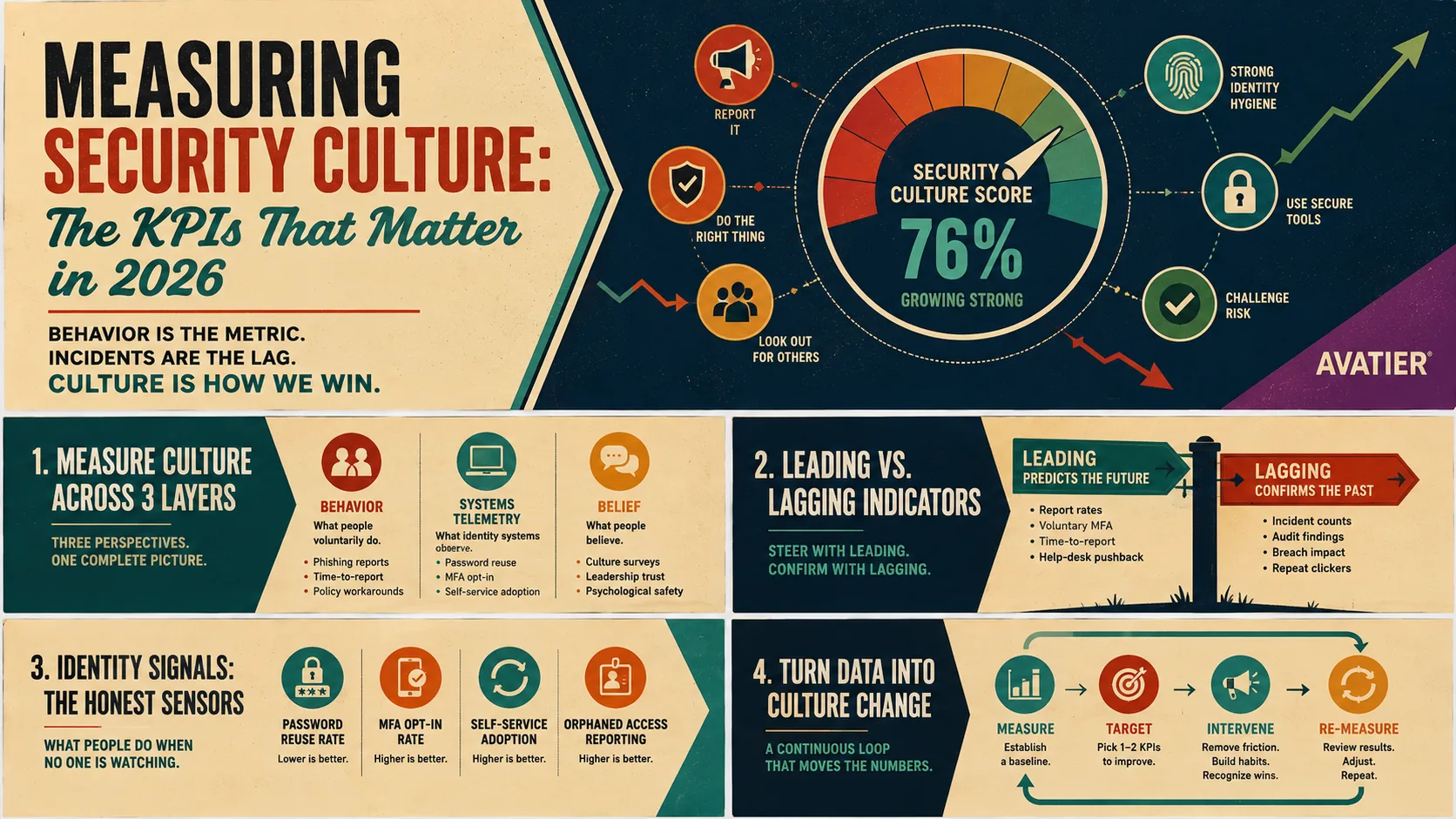
How organizations measure and improve security culture in 2026: leading vs. lagging indicators, behavioral KPIs, identity hygiene signals, survey instruments, and how to actually move the numbers.

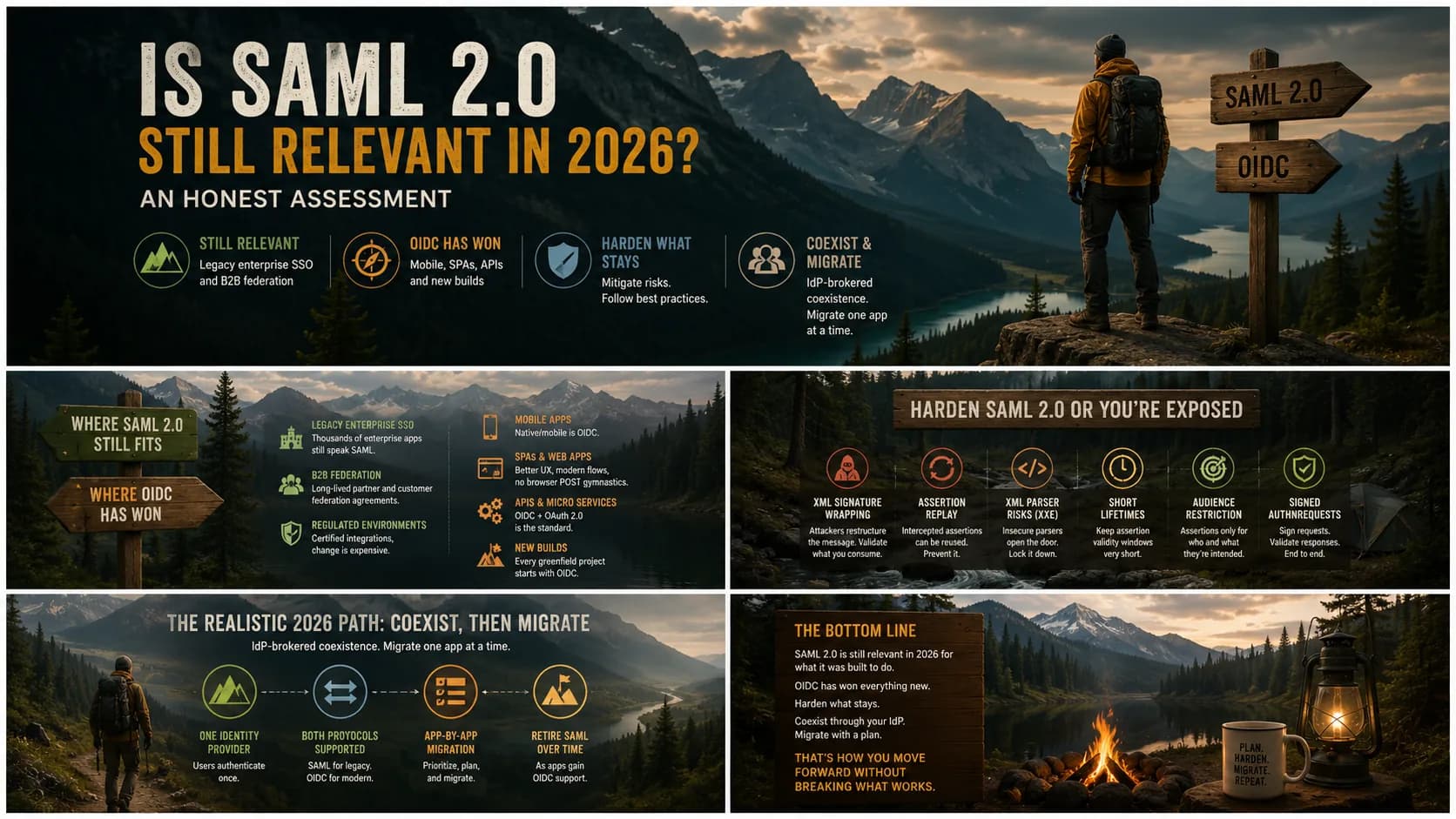
An honest 2026 assessment of SAML 2.0 — where it remains the right answer (legacy enterprise SSO, B2B federation), where OIDC has won, and how to harden and migrate what stays.

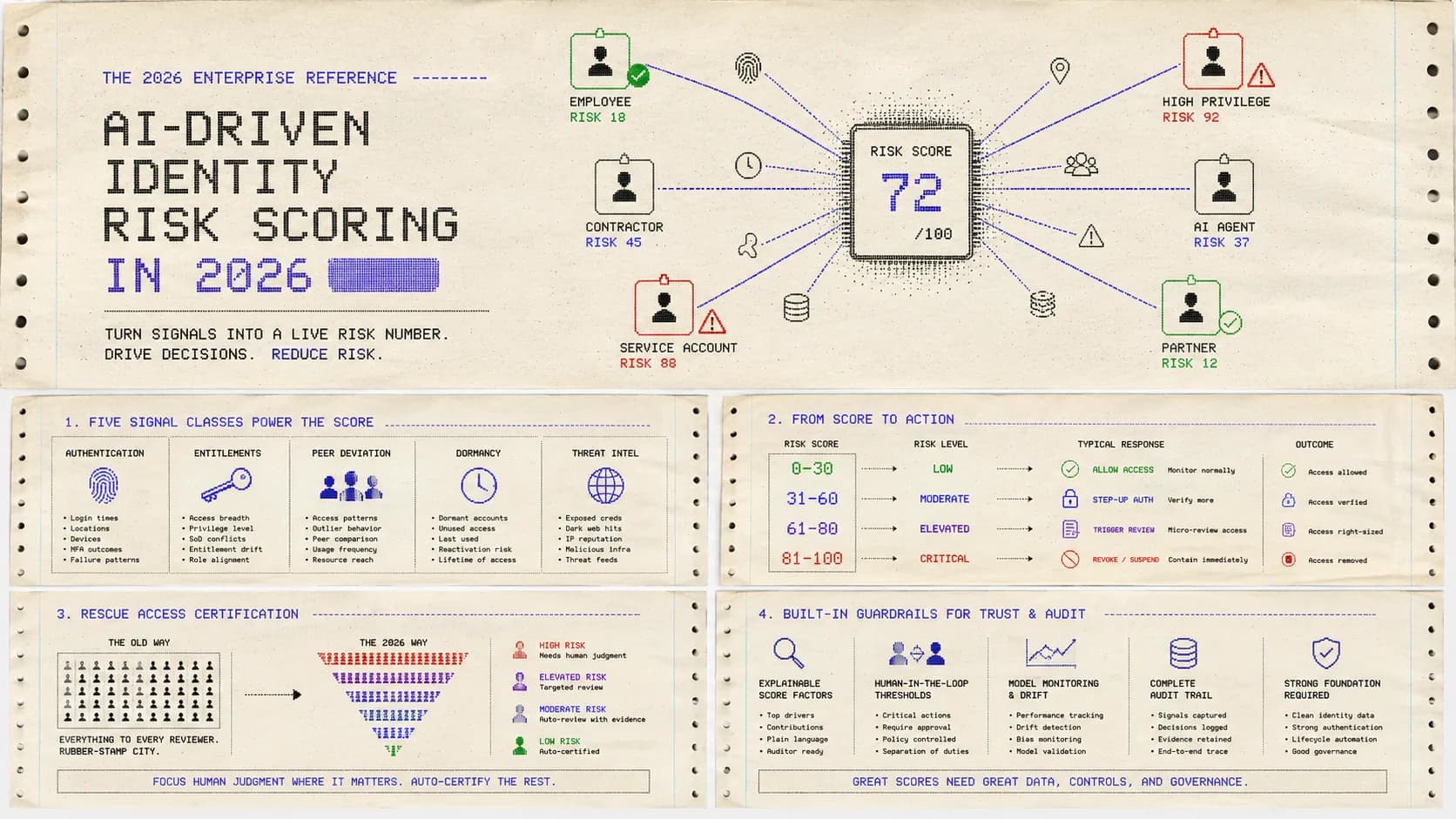
AI-driven identity risk scoring turns authentication, entitlement, and behavior signals into a live per-identity risk number that drives step-up auth, reviews, and revocation. The 2026 reference.

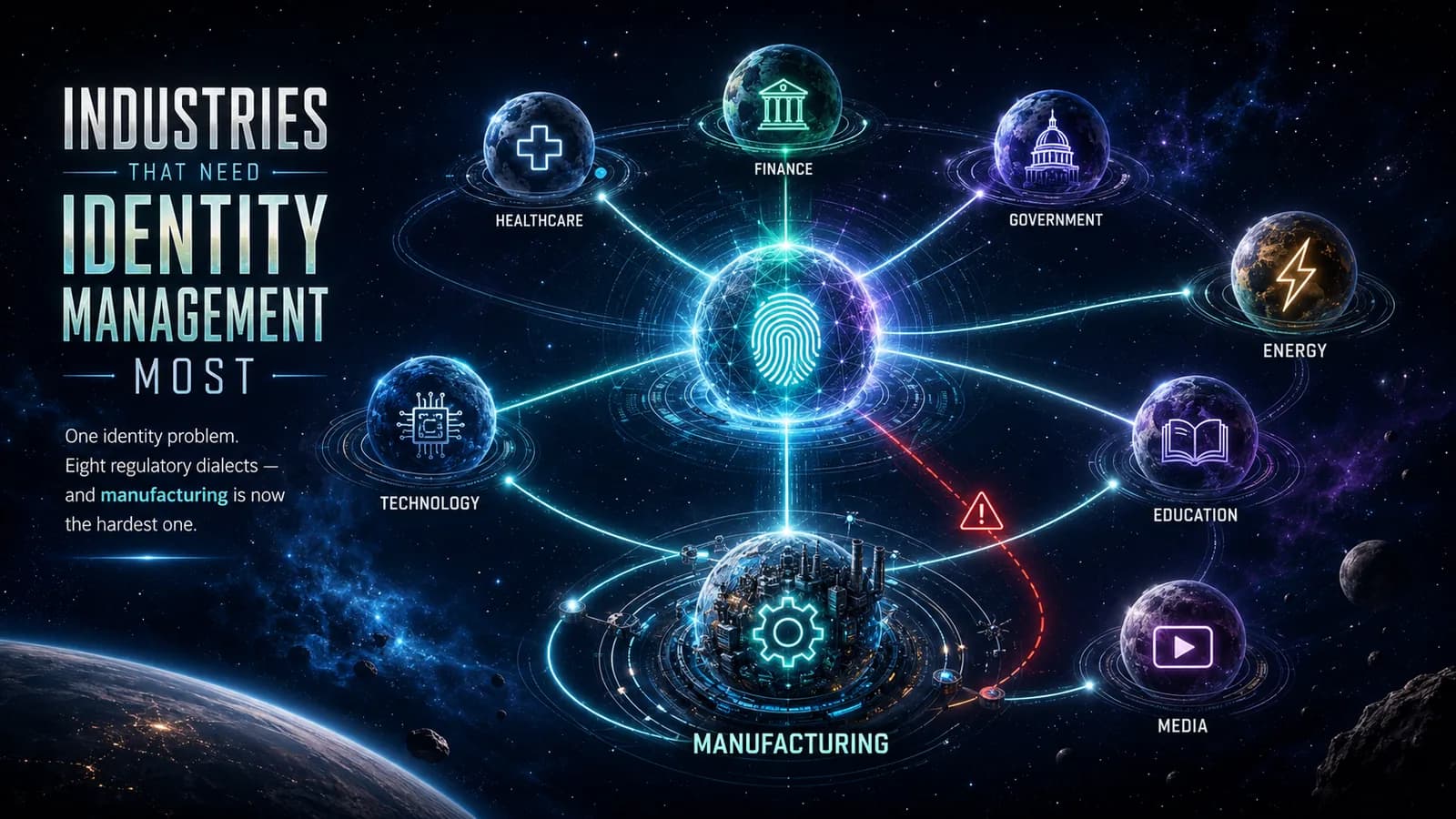
Eight industries carry regulatory or operational pressure that makes identity governance non-optional — and manufacturing has quietly become the hardest of them. The 2026 refresh maps each sector's identity problem, its frameworks, and the state-level mandates (TX-RAMP, StateRAMP, privacy acts) now underneath all of them.

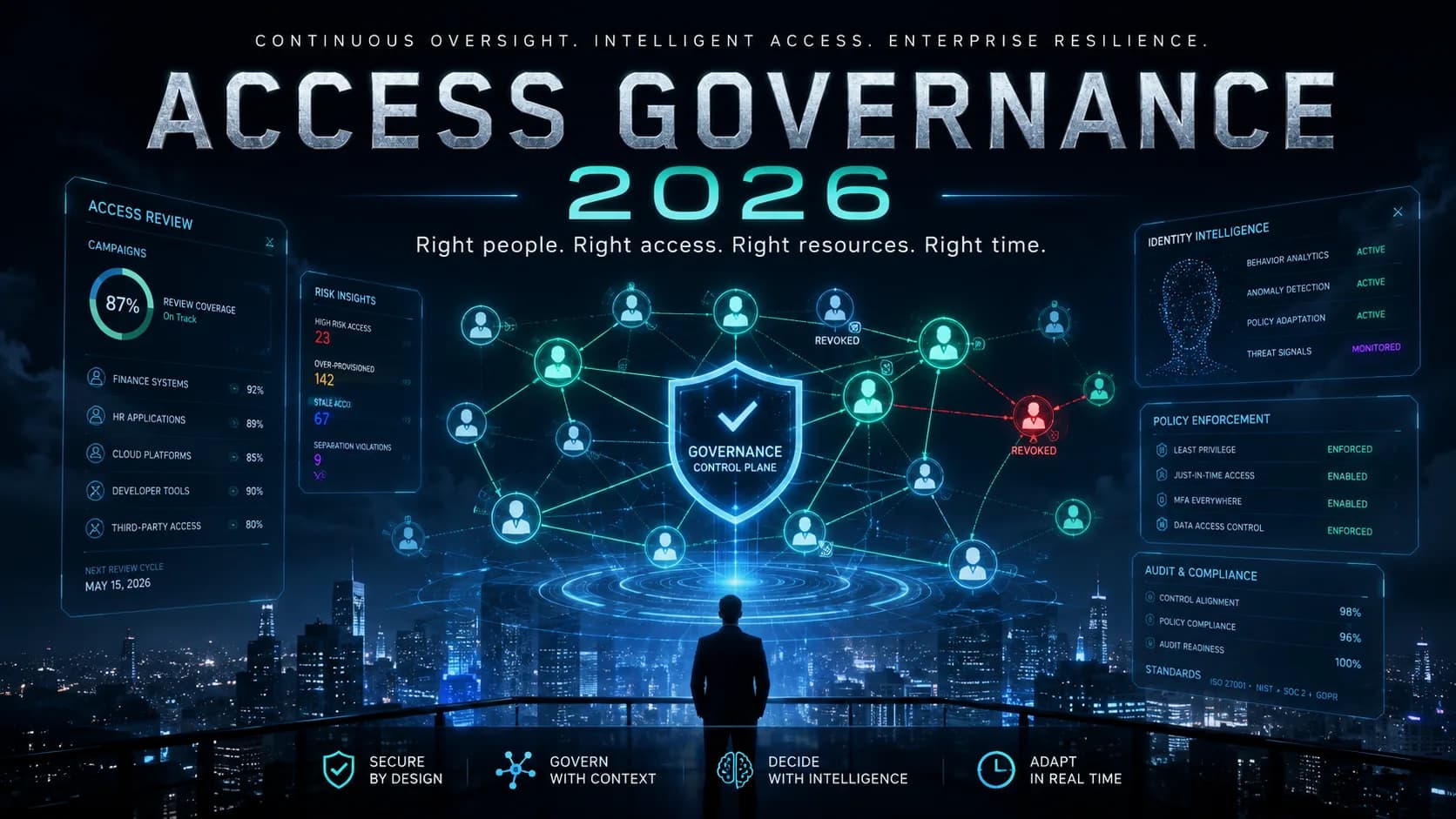
Access governance is the discipline that answers one question continuously: does every identity in the enterprise hold exactly the access it should, right now? The 2026 reference on the five control surfaces, the access governance vs. IGA distinction, and where reviews collapse into rubber-stamping.

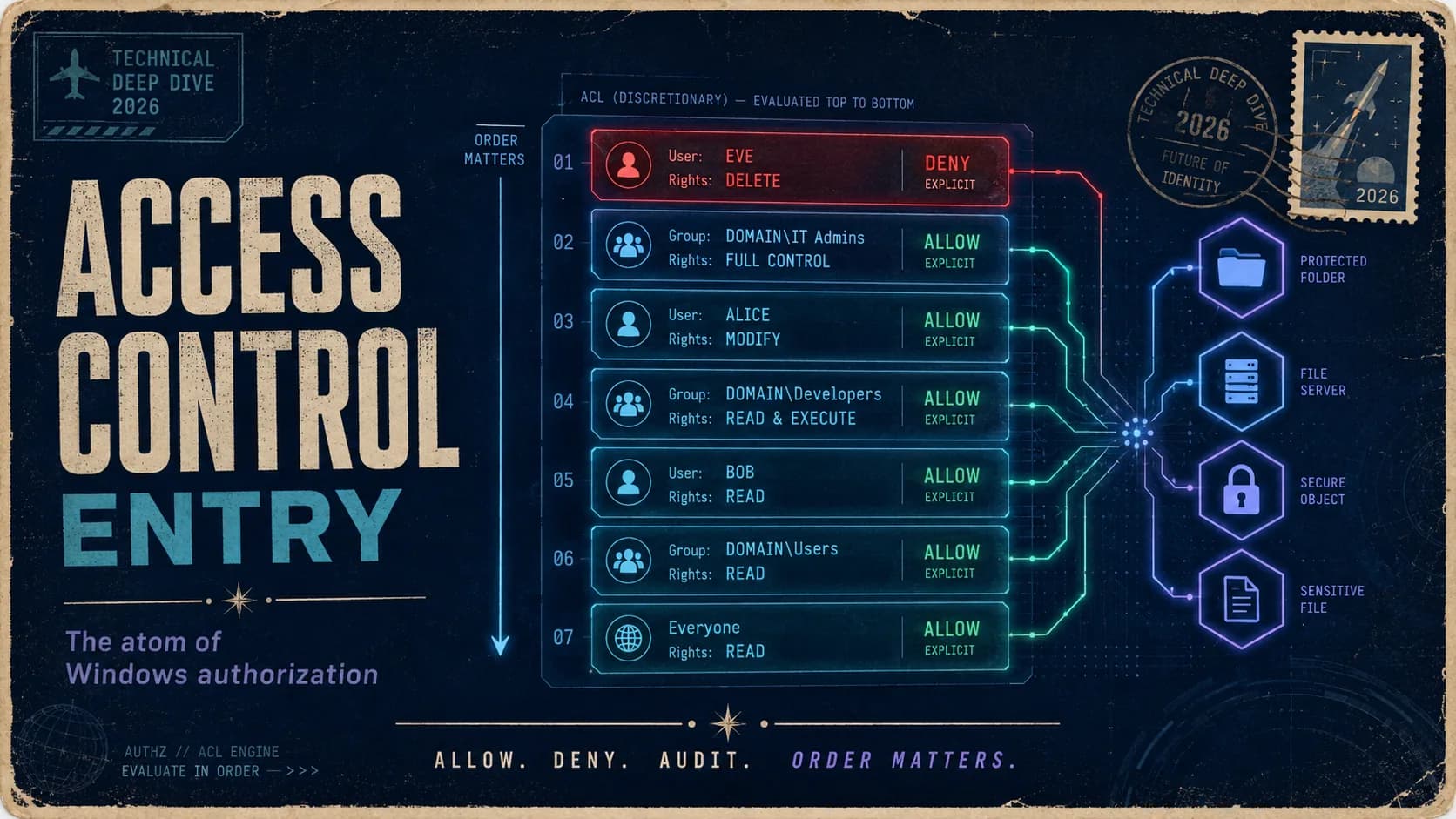
An access control entry is the smallest unit of authorization in Windows security — one trustee, one set of rights, one allow/deny/audit verdict. The 2026 technical reference: ACE anatomy, DACL vs SACL, canonical evaluation order, inheritance flags, POSIX and cloud analogues, and where ACL-based control breaks at enterprise scale.

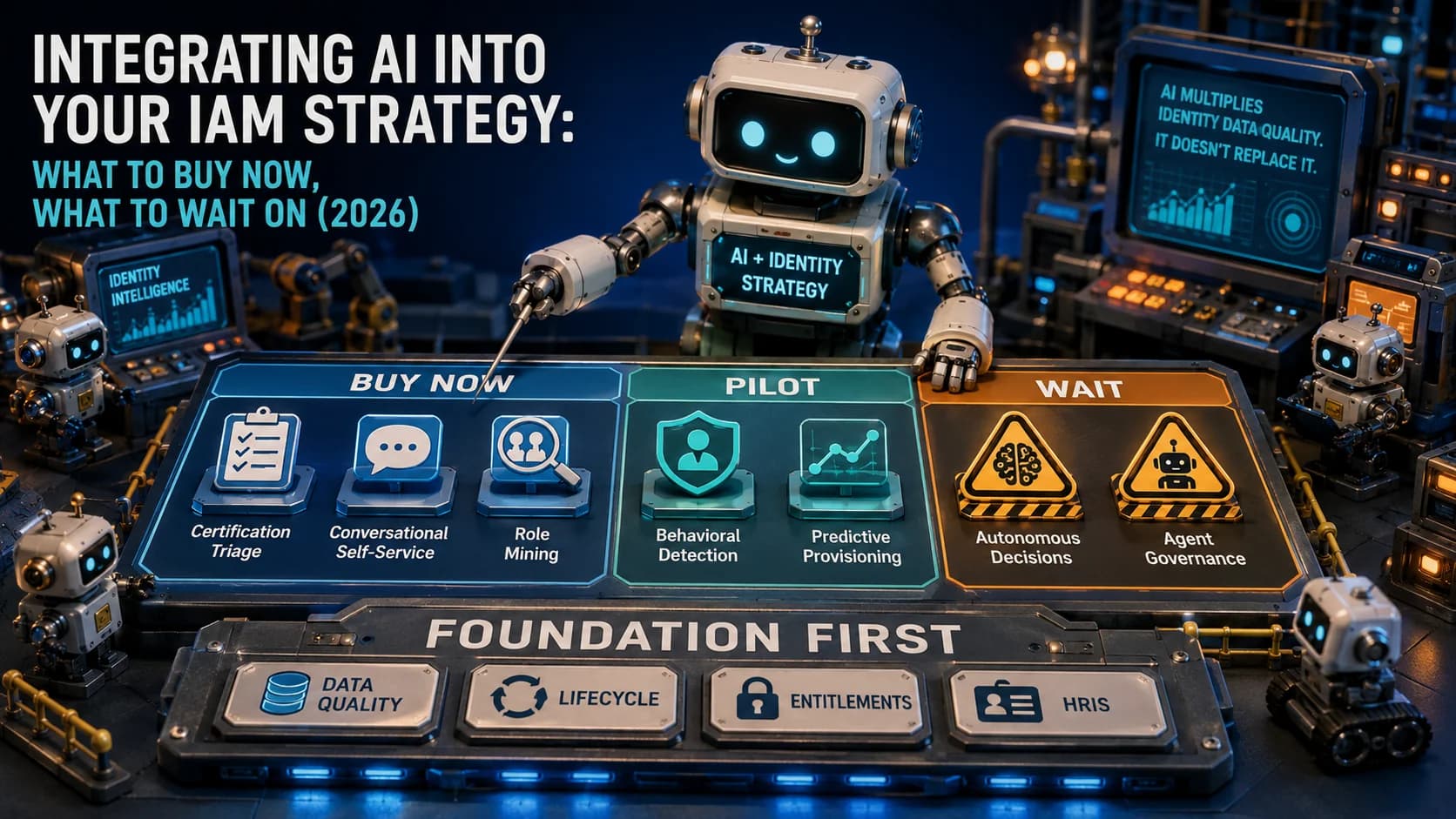
Every identity vendor's 2026 roadmap says AI. Most enterprises can't tell which parts will pay for themselves next quarter and which are demos with a release date attached. After three decades building identity automation, my read: three AI capabilities are worth buying today, two are worth piloting, and one category is worth refusing until the vendors can answer five questions. Plus the readiness test that decides whether any of it works for you — and the ordering mistake that wastes more AI budget than any bad vendor choice.

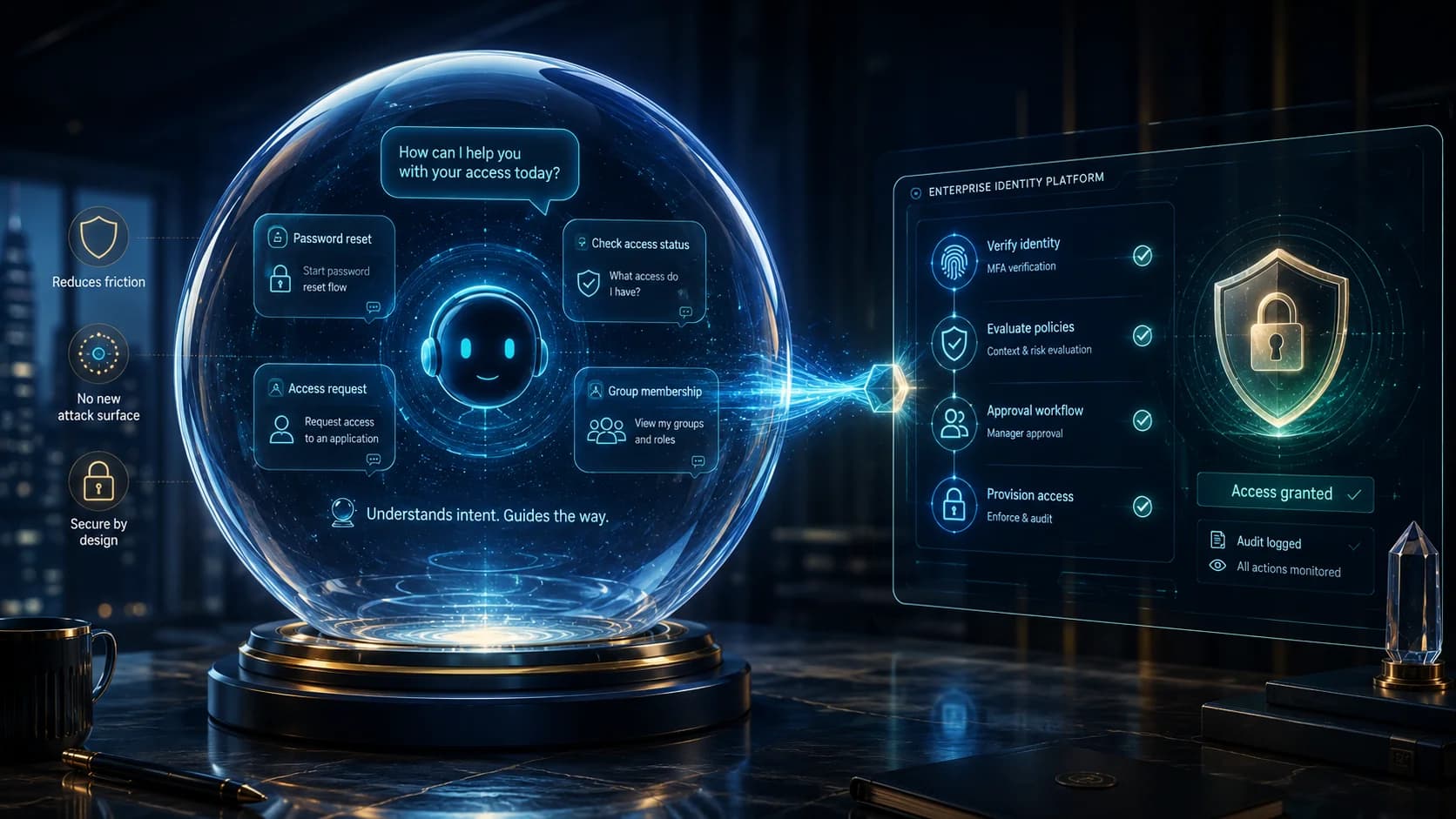
A chatbot that resets passwords is trivial to build and a genuinely bad idea — because the hard part of a password reset was never the conversation, it was proving who is asking. The 2026 reference on conversational identity done properly: the four workflows worth deflecting to chat, why identity verification must live outside the language model, the prompt-injection and social-engineering surface a naive deployment opens, and the deflection math against a $480-per-employee support baseline.

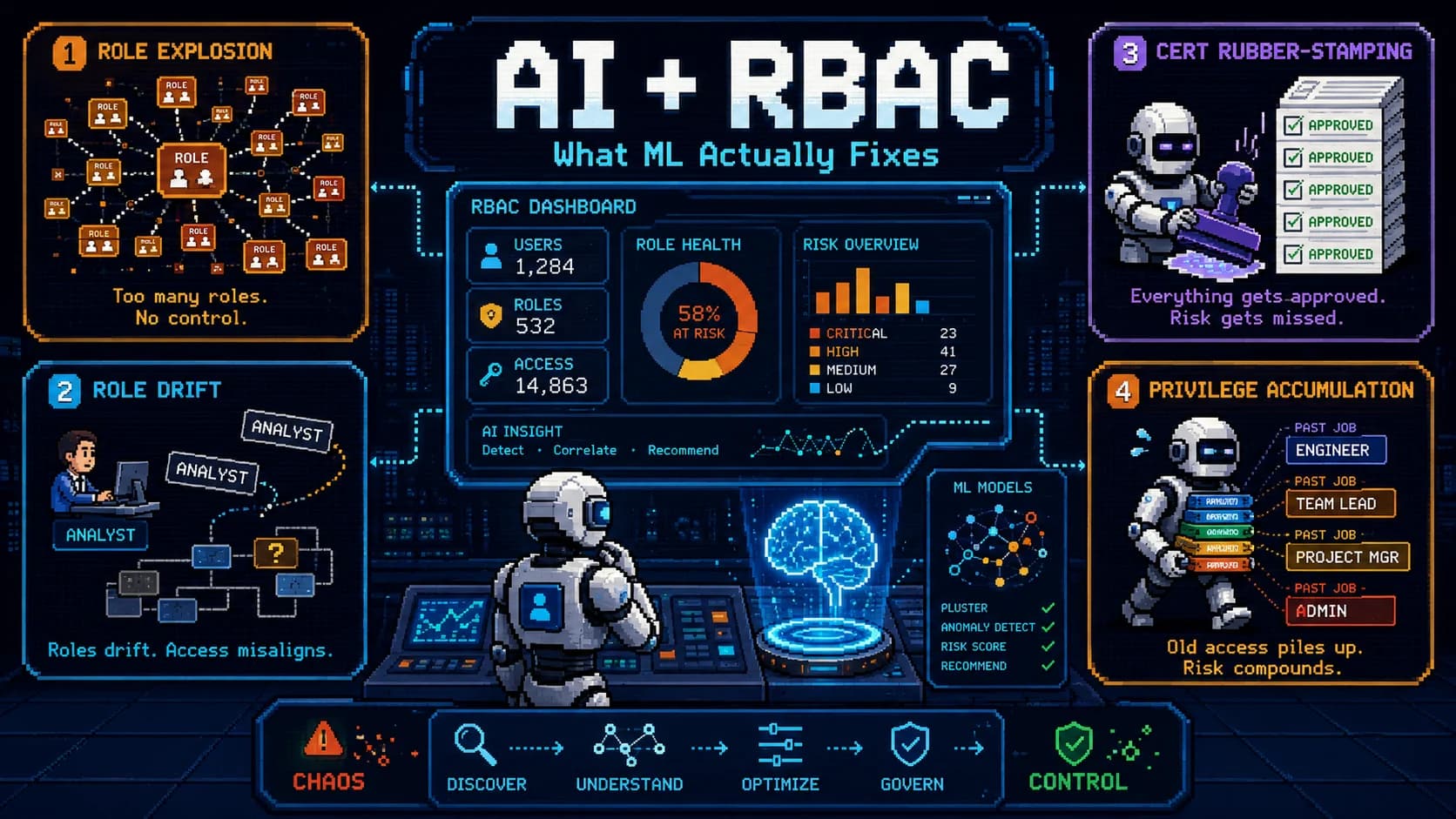
RBAC's problems are well documented and thirty years old: role explosion, role drift, rubber-stamped certifications, and privilege that only ever accumulates. AI is the first tool that attacks them at the scale they occur — but only three of the four are genuinely solvable by a model. The 2026 reference on AI-assisted role mining, entitlement clustering, certification triage, and predictive provisioning: what each one actually does, where the human stays in the loop, and why role mining on bad data just industrializes the mess.

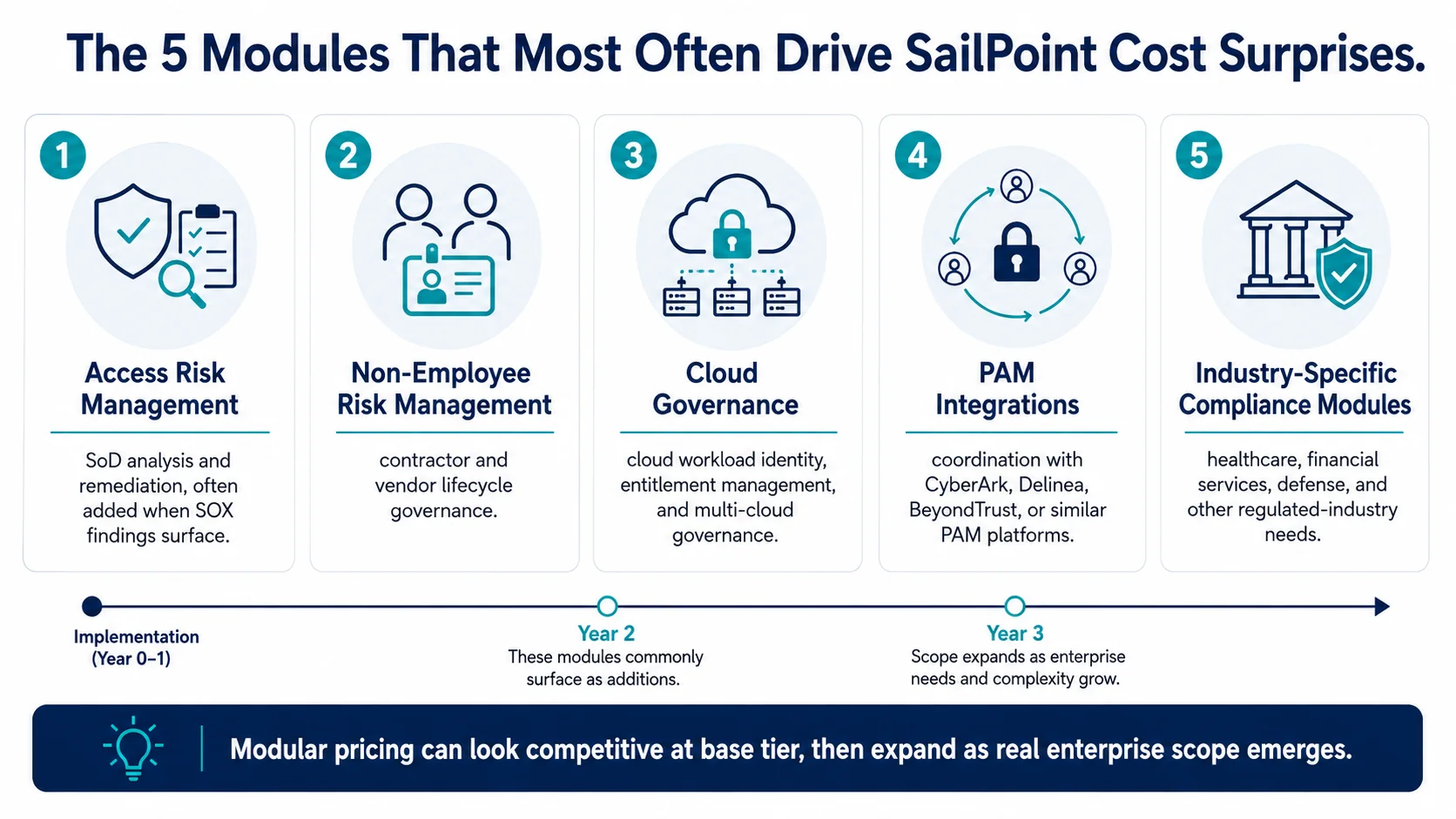
Enterprise IAM buyers evaluating SailPoint against Avatier are comparing two fundamentally different pricing philosophies — modular per-capability pricing with premium tiers and per-connector charges versus all-inclusive licensing that bundles the same capability set into the base license. The 2026 enterprise reference on the structural pricing differences, the modules that drive most of the SailPoint cost surprises, the Avatier all-inclusive positioning, and the buyer-side comparison discipline that produces defensible vendor selection instead of feature-checklist theater.

IAM investment questions rarely fail on the ROI math — the math works. They fail on readiness: enterprises buy governance platforms before the identity data, ownership model, and process discipline exist to use them. The 2026 reference on what IAM actually costs across its five cost drivers, what the investment returns and when, and the five-dimension readiness assessment that predicts whether your organization will realize the ROI or join the roughly half of IGA programs that stall.

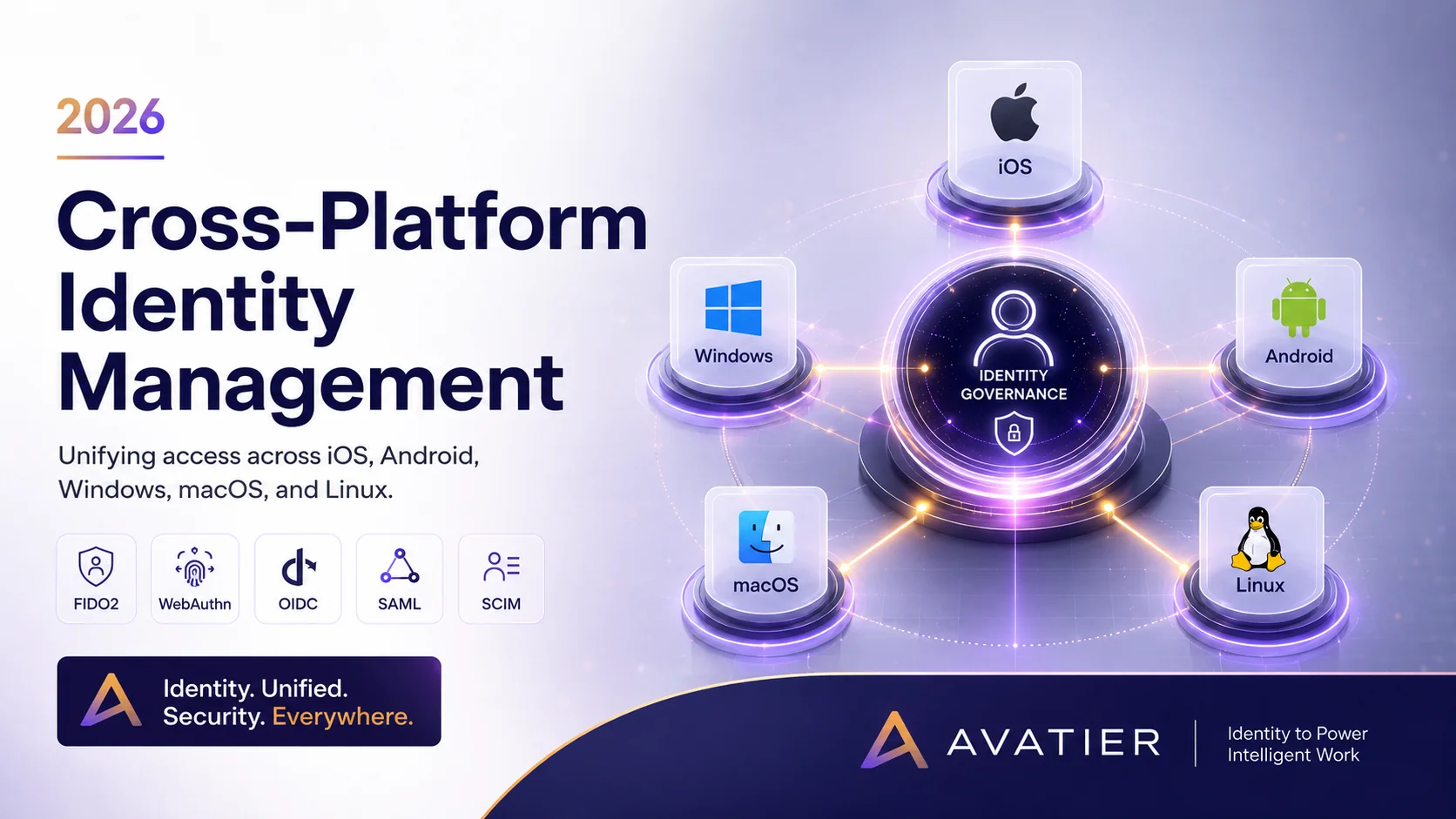
The average enterprise workforce now authenticates from three or more platforms daily — iOS, Android, Windows, macOS, Linux, and shared frontline devices — and every platform ships its own credential store, biometric stack, and passkey ecosystem. The 2026 reference on unifying identity across all of them: the platform-agnostic architecture, the passkey fragmentation problem nobody warned you about, per-platform security capability mapping, the workforce segments platform-bound authentication leaves behind, and the deployment discipline that produces one identity experience instead of five.

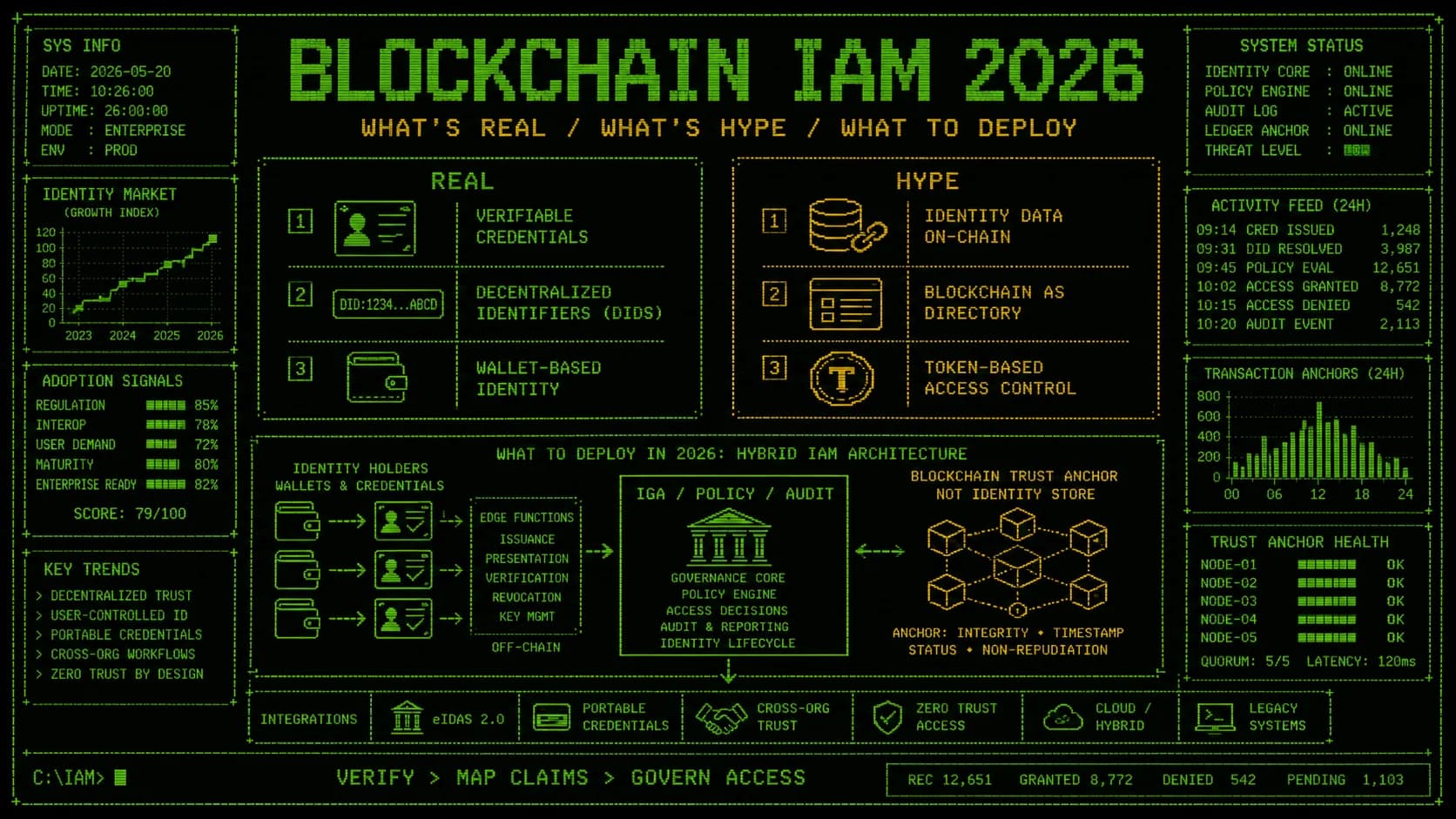
A decade after the first blockchain identity white papers, the technology has sorted itself into two piles: a small set of patterns that genuinely work — verifiable credentials, decentralized identifiers, and wallet-based identity now backed by the EU's eIDAS 2.0 mandate — and a large pile of abandoned projects that tried to put identity itself on a chain. The 2026 enterprise reference on where blockchain-based IAM delivers (portable workforce credentials, reusable verification, cross-organization trust), where it never will (replacing your directory, lifecycle, or governance), and the architecture pattern that connects decentralized credentials to centralized accountability.

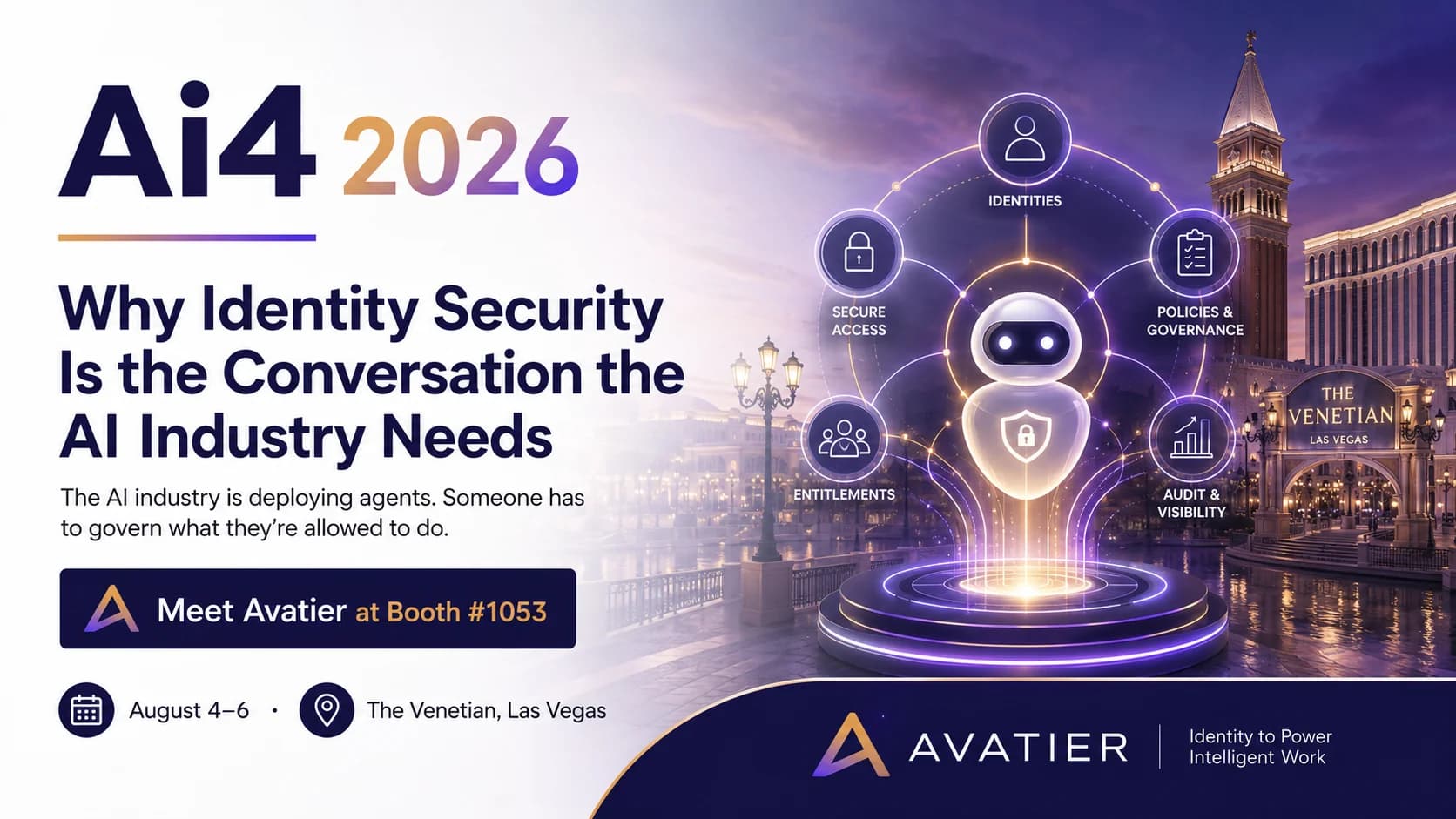
Ai4 2026 lands in Las Vegas August 4-6 with three full tracks on AI agents, a cybersecurity track, and an oversight track on AI governance and model risk. The agenda is telling you something: the enterprise AI conversation has shifted from what models can do to what agents are allowed to do — and that is an identity question. Avatier will be at Booth #1053 with live demos, product announcements, and a point of view on why every autonomous agent needs the same lifecycle, governance, and least-privilege discipline you apply to human identities.

Why weak passwords persist in 2026 despite decades of training — and the policy-enforcement, credential-firewall, and lifecycle controls that eliminate them at scale.

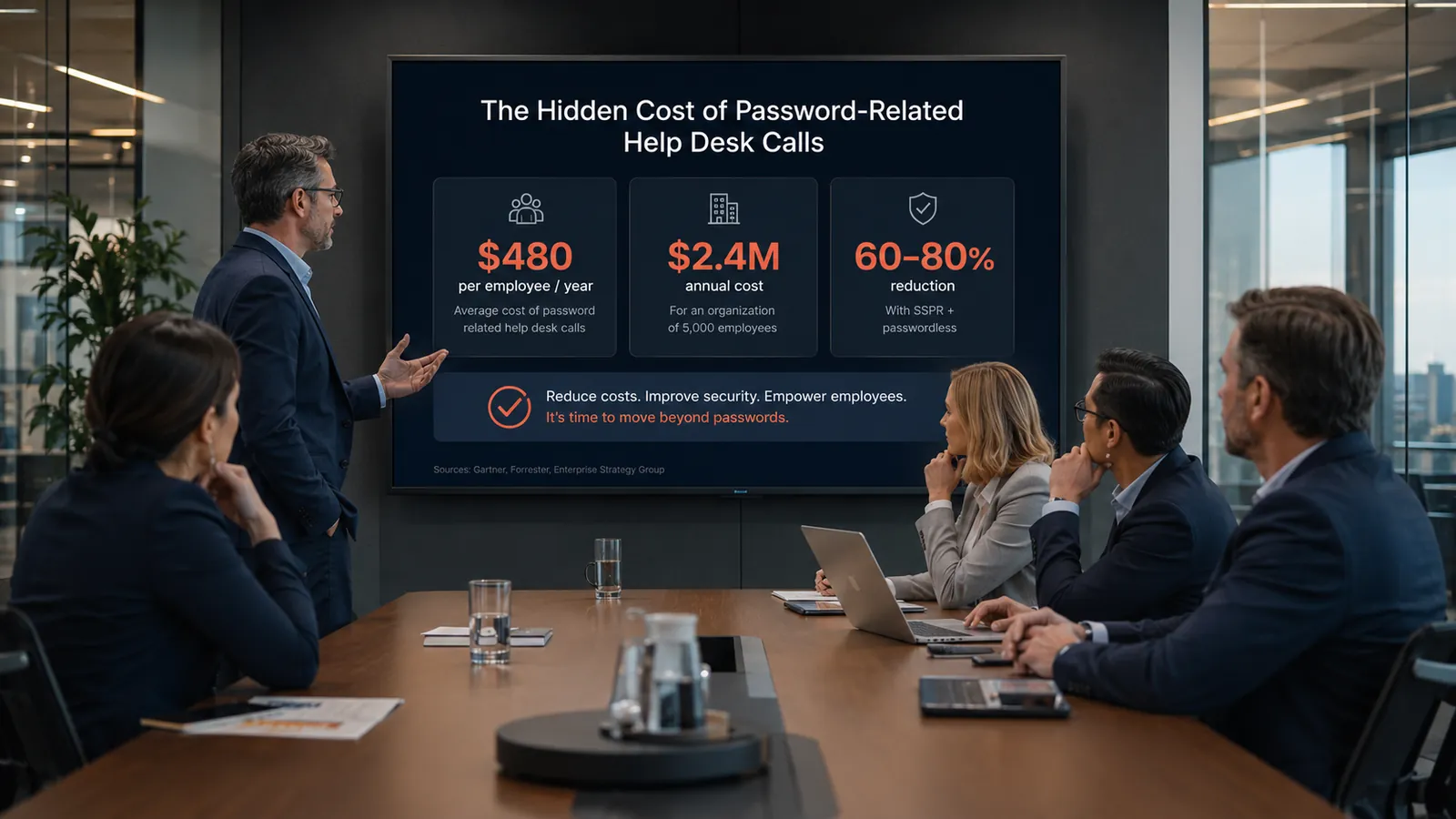
Password-related help desk calls cost the average enterprise $480 per employee per year — a hidden line item that dominates IT operational cost at scale and produces $2.4M in annual burn for a 5,000-employee enterprise. The 2026 enterprise reference on the specific cost components, the volume drivers that scale the number by industry, the SSPR and passwordless architectural interventions that reduce it 60-80%, and the CFO-defensible ROI model that justifies the reduction investment.

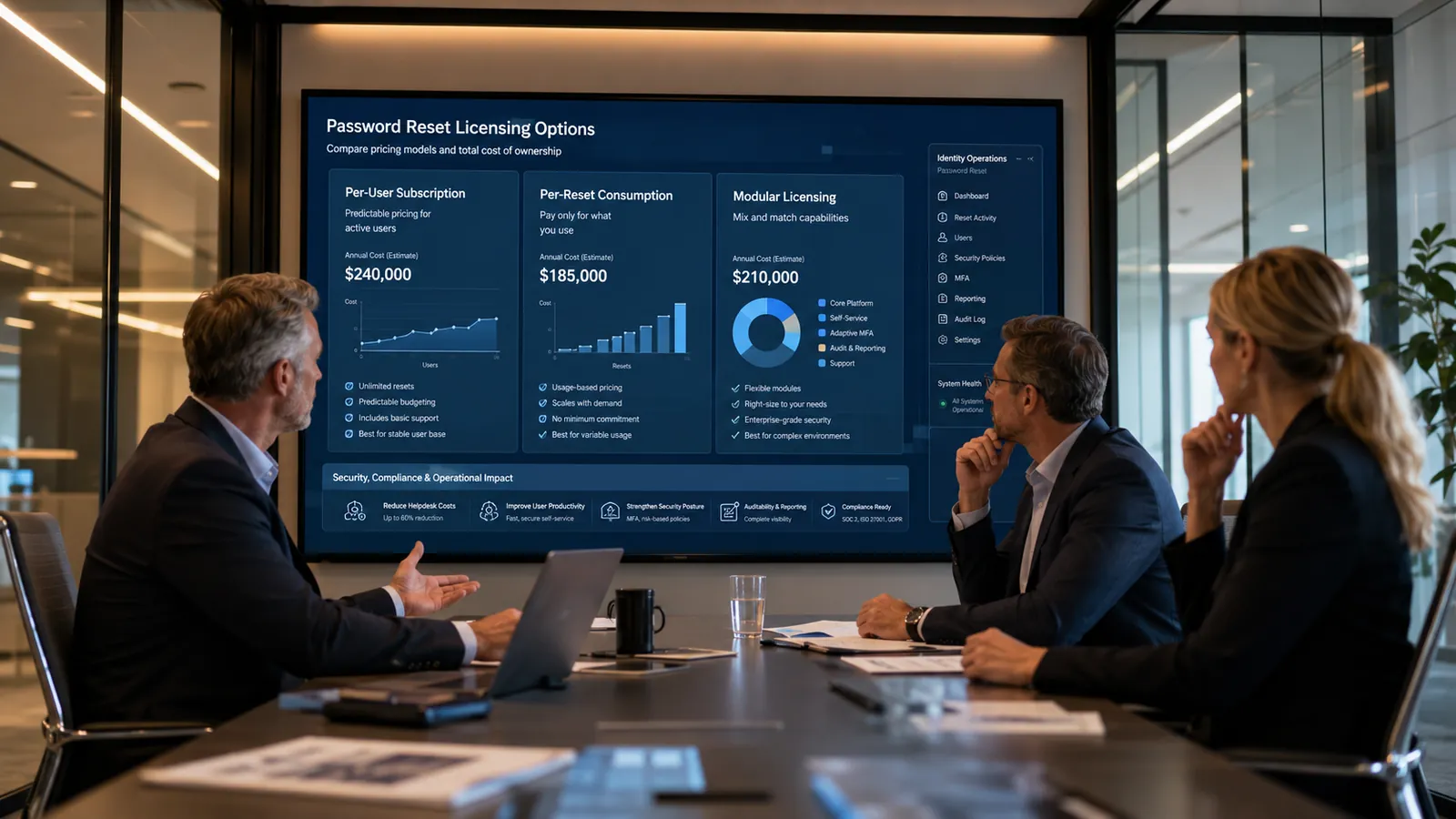
Enterprise password reset licensing has three fundamentally different pricing models — per-user subscription, per-reset-event consumption, and modular capability-based licensing — and the fit between model and buyer profile determines whether TCO tracks the vendor's list-price projection or surprises 18-24 months into deployment. The 2026 enterprise reference on the three licensing models, the specific line items that drive cost variance, and the buyer discipline that produces defensible reset-workflow vendor selection.

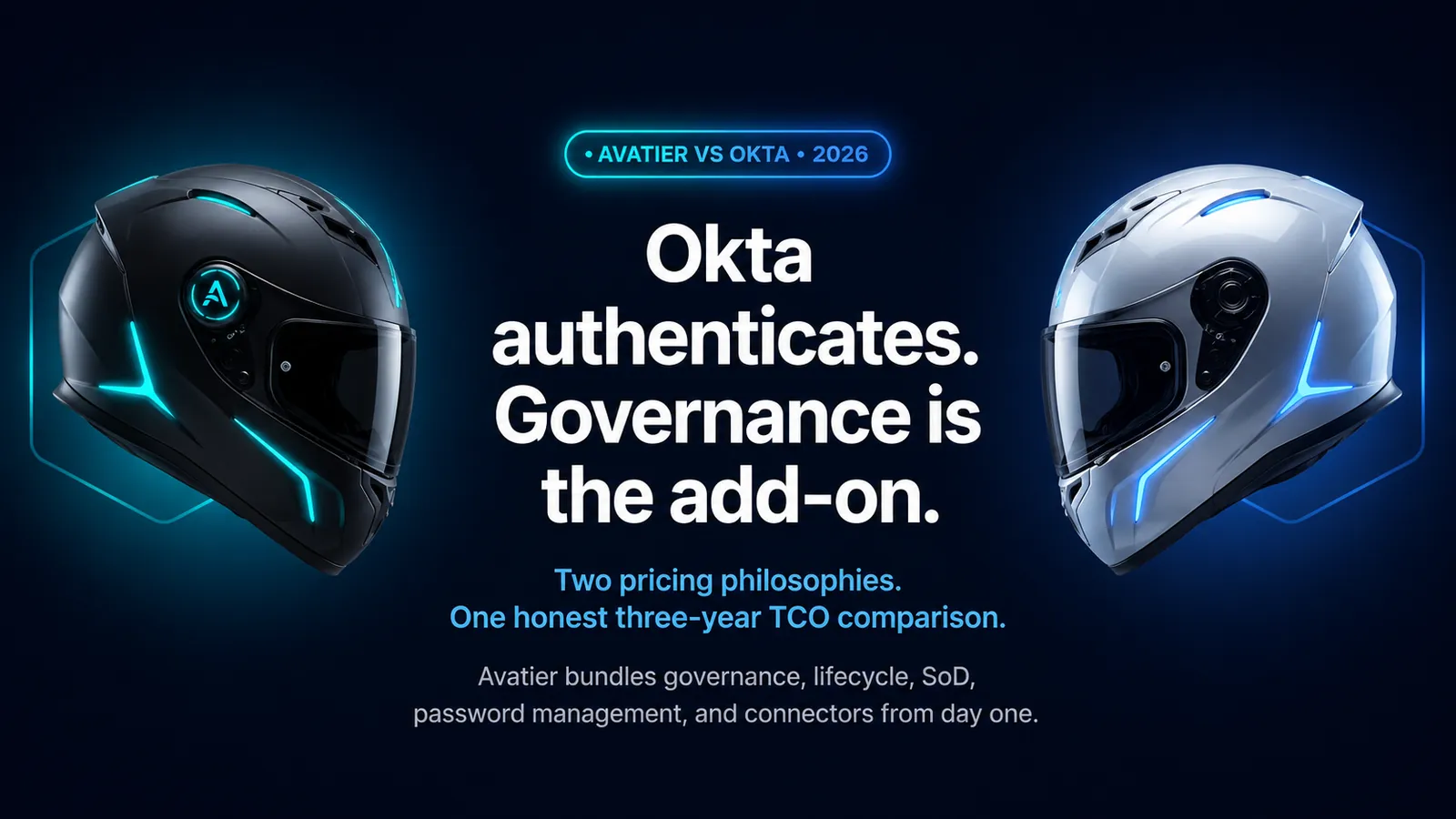
Enterprise IAM buyers evaluating Avatier against Okta are comparing two fundamentally different pricing philosophies — all-inclusive licensing that bundles IGA workforce lifecycle and identity governance into base pricing versus a workforce IdP with tiered pricing where governance capability is priced as premium modules above the federation baseline. The 2026 enterprise reference on the structural pricing differences, the specific modules that produce Okta cost variance at scale, and the buyer discipline for defensible vendor selection.

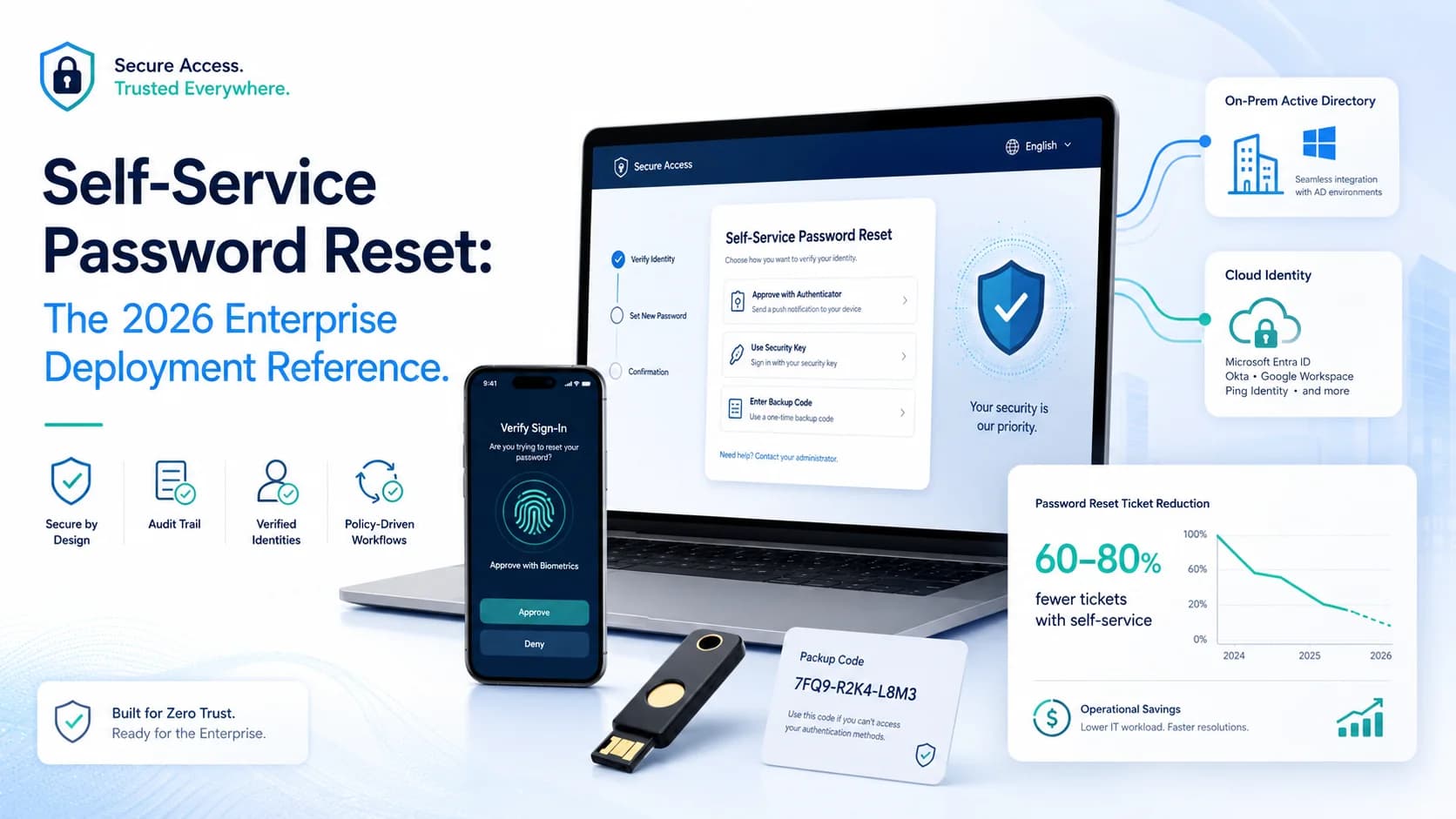
Self-service password reset (SSPR) is the operational lever that moves enterprise password reset economics from $70-per-ticket help-desk-only to 60-80% ticket-volume reduction — when deployed with modern authenticator-based verification, coverage across the domain workstation and frontline segment cases, and audit-trail integration that satisfies SOX / PCI-DSS / HIPAA. The 2026 enterprise reference on SSPR deployment architecture, the five configuration elements that determine effectiveness, and the vendor-neutral comparison discipline for SSPR selection.

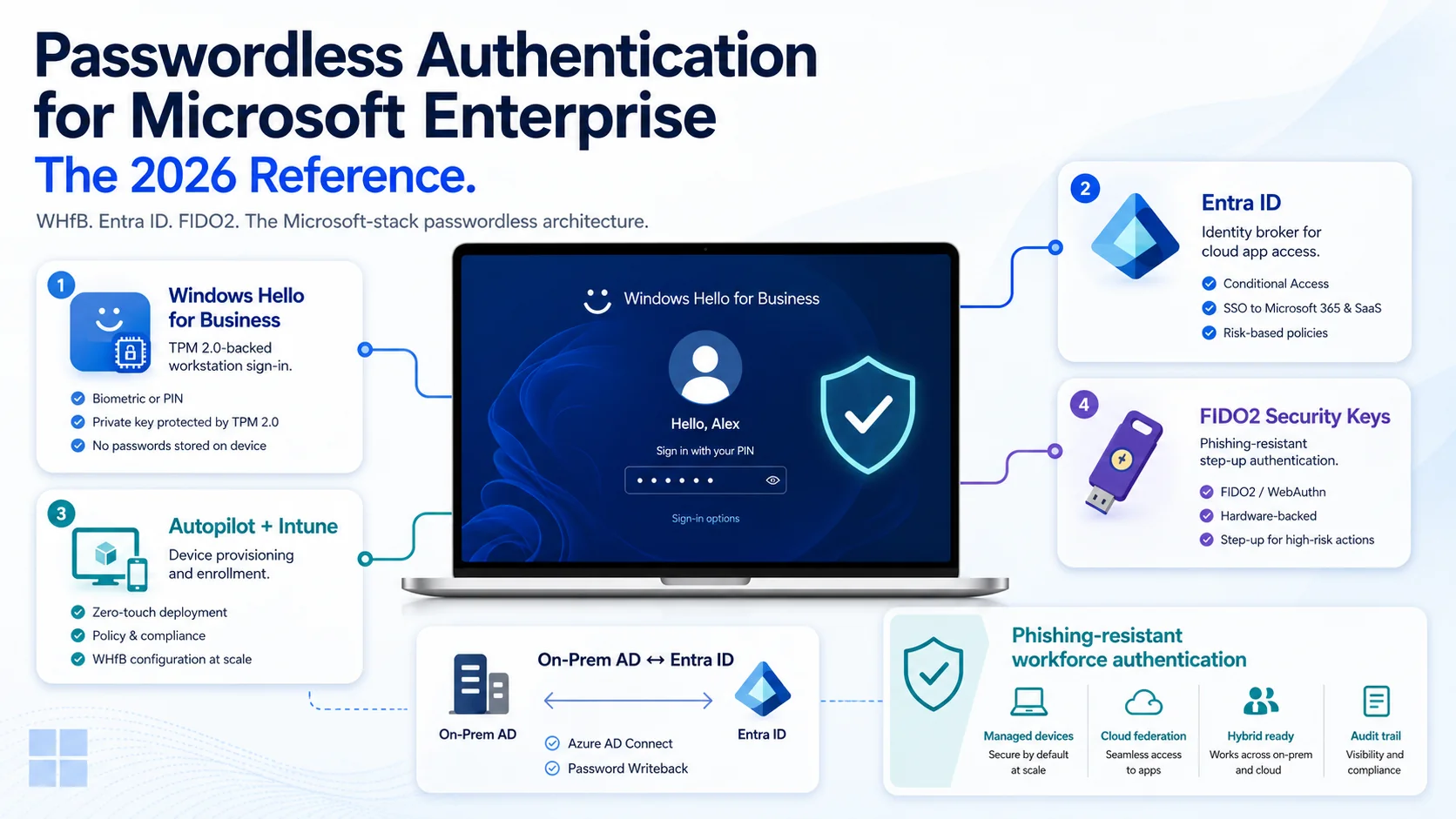
Active Directory login reset for domain-joined Windows workstations is the specific reset architecture where users can't reach a self-service portal because they can't log in at all. The 2026 enterprise reference on the pre-login reset architecture, the Windows CredentialProvider integration, the on-premises AD versus Entra ID hybrid patterns, the compliance requirements that shape domain reset workflow, and the deployment discipline that keeps AD reset defensible under SOX and PCI-DSS audit.

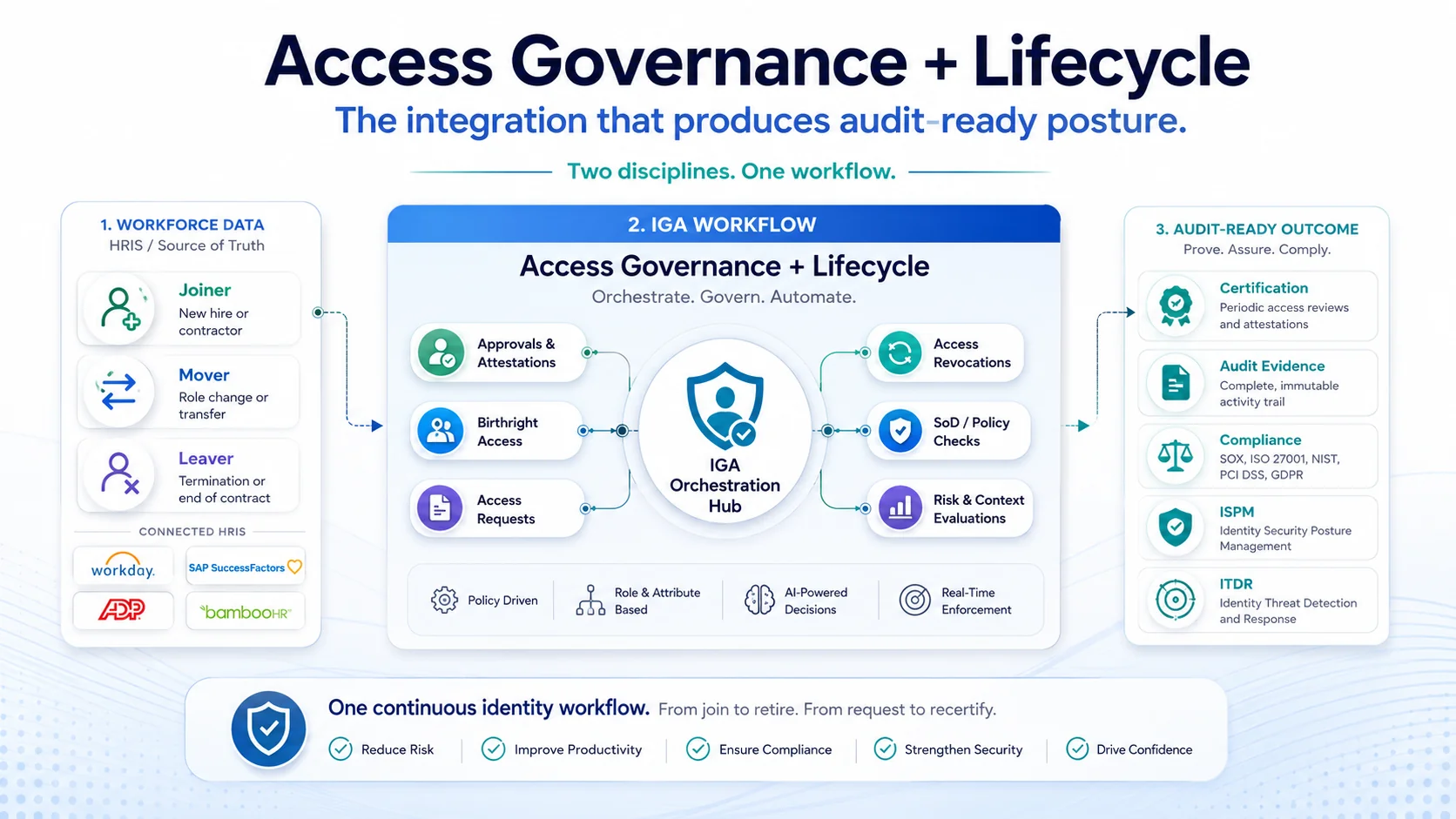
Access governance and user lifecycle management are two identity disciplines that only produce defensible IAM posture when they're integrated as one continuous workflow — HRIS-driven lifecycle events triggering access changes, certification campaigns reasoning against lifecycle state, and remediation workflow that closes the loop through lifecycle rather than parallel to it. The 2026 enterprise reference on the integration architecture, the failure modes when lifecycle and governance run as silos, and the operational discipline that produces audit-ready posture.

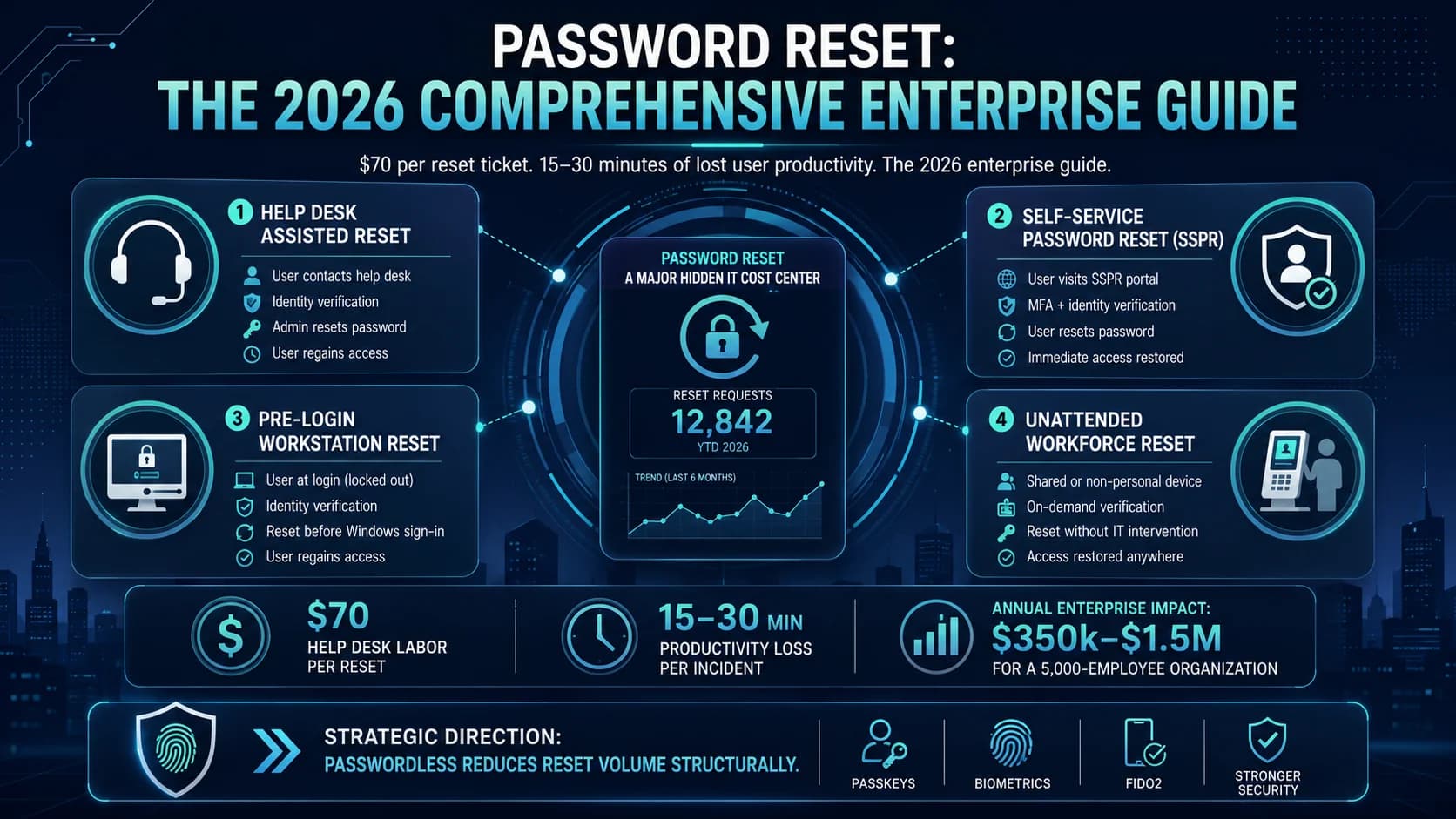
Enterprise password reset is one of the largest hidden cost centers in enterprise IT — help desk labor at $70 per reset ticket, workforce productivity losses at 15-30 minutes per user per incident, and the security surface every recovery flow creates. The 2026 comprehensive reference on the reset cost economics, the four workflow architectures, the compliance implications, the self-service reset (SSPR) discipline that reduces ticket volume 60-80%, and the passwordless migration path that eliminates the reset problem structurally.

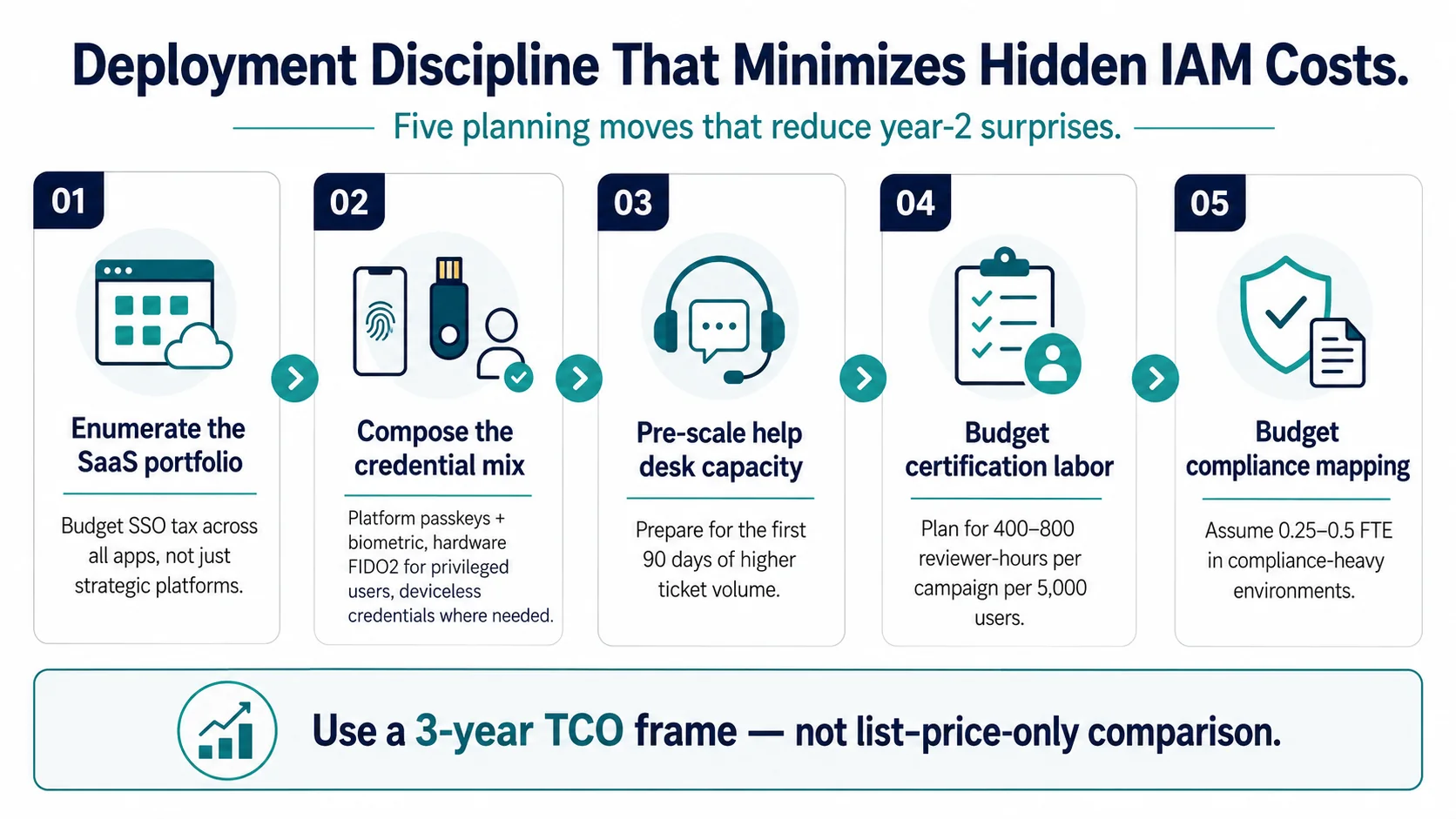
Enterprise IAM has five hidden cost categories that auditors surface and buyers systematically undercount — the SSO integration tax per SaaS application, MFA credential distribution and refresh, help desk rollout volume, certification-campaign labor, and the ongoing compliance-mapping work that keeps audit-ready posture defensible. The 2026 enterprise reference on what each hidden cost actually costs at scale, why they surface only in year 2, and the deployment discipline that minimizes them.

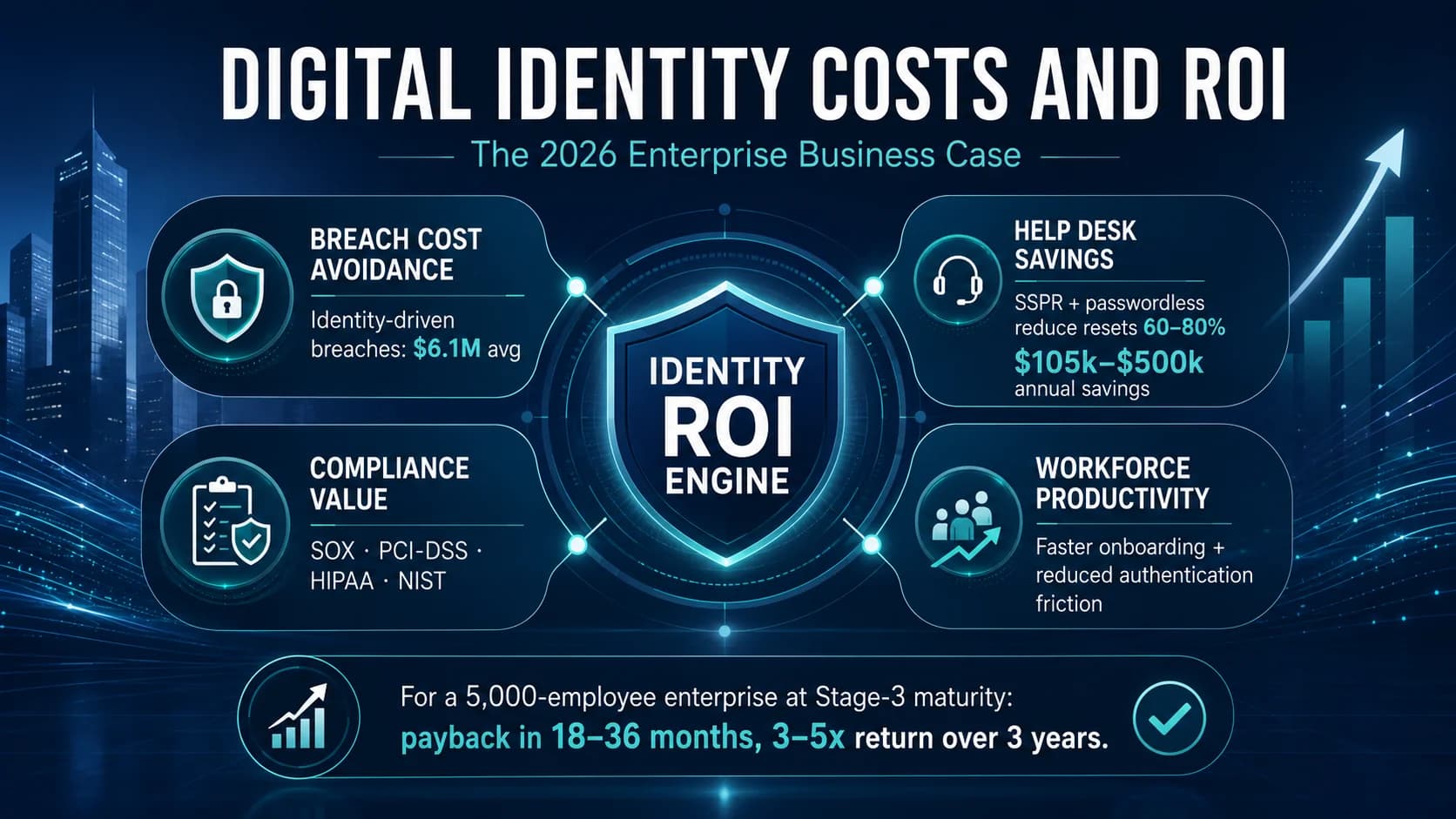
Enterprise IAM investment isn't a cost center — it's a four-category ROI generator that returns breach cost avoidance, help desk savings, compliance value, and workforce productivity gains. The 2026 enterprise reference on what each ROI category actually returns at scale, the maturity-ladder curve that shows where returns compound, the common ROI framing mistakes that make IAM look worse on paper than in reality, and the business case that produces defensible funding for enterprise identity programs.

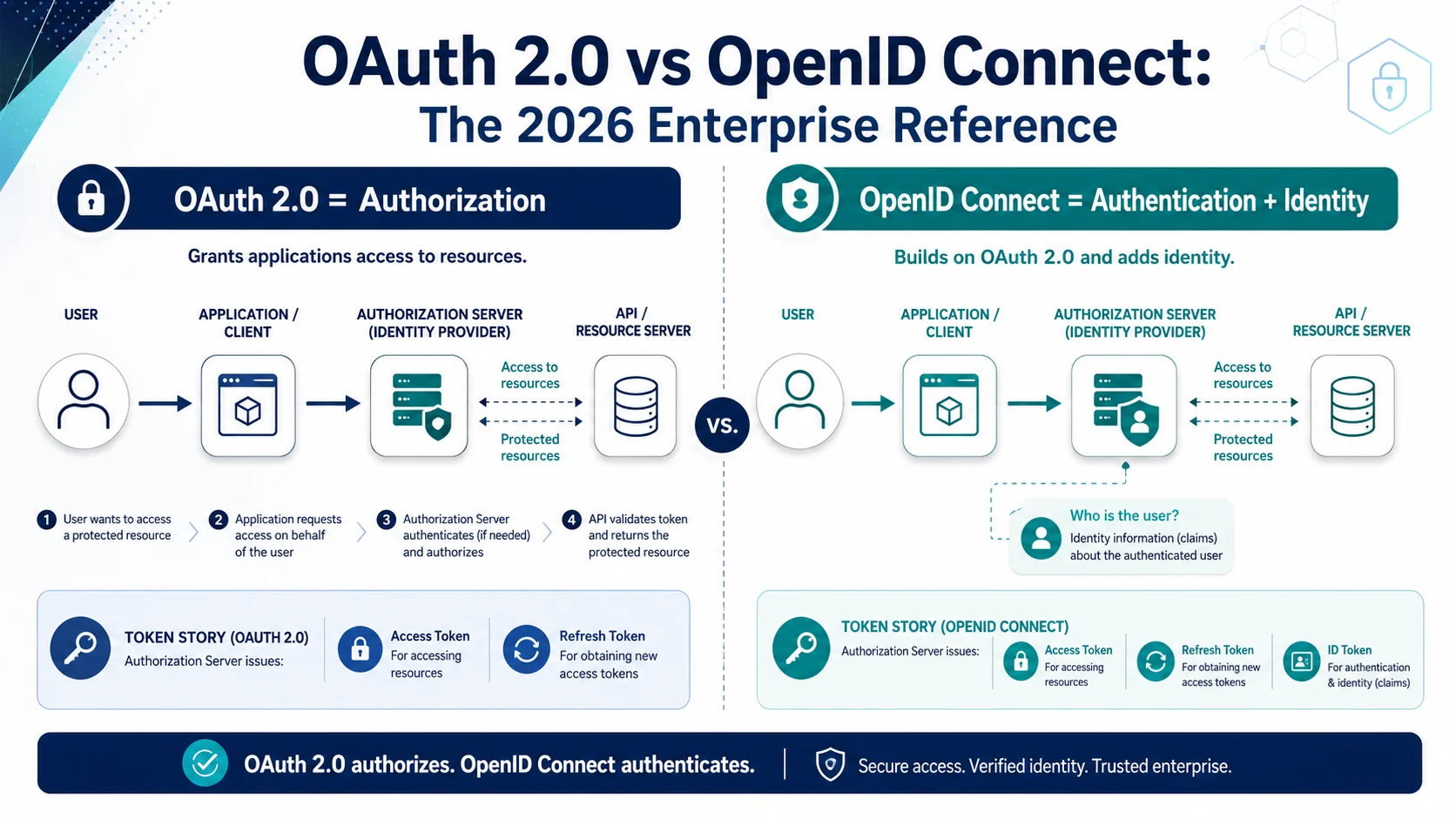
OAuth 2.0 and OpenID Connect are routinely confused in enterprise IAM conversations — they solve different problems and shouldn't be substituted for each other. The 2026 enterprise reference on what each actually does, the token types each issues, the four enterprise use cases and which protocol fits each, the common misuse patterns that produce security incidents, and the composition patterns that let both protocols do the job they're actually good at.

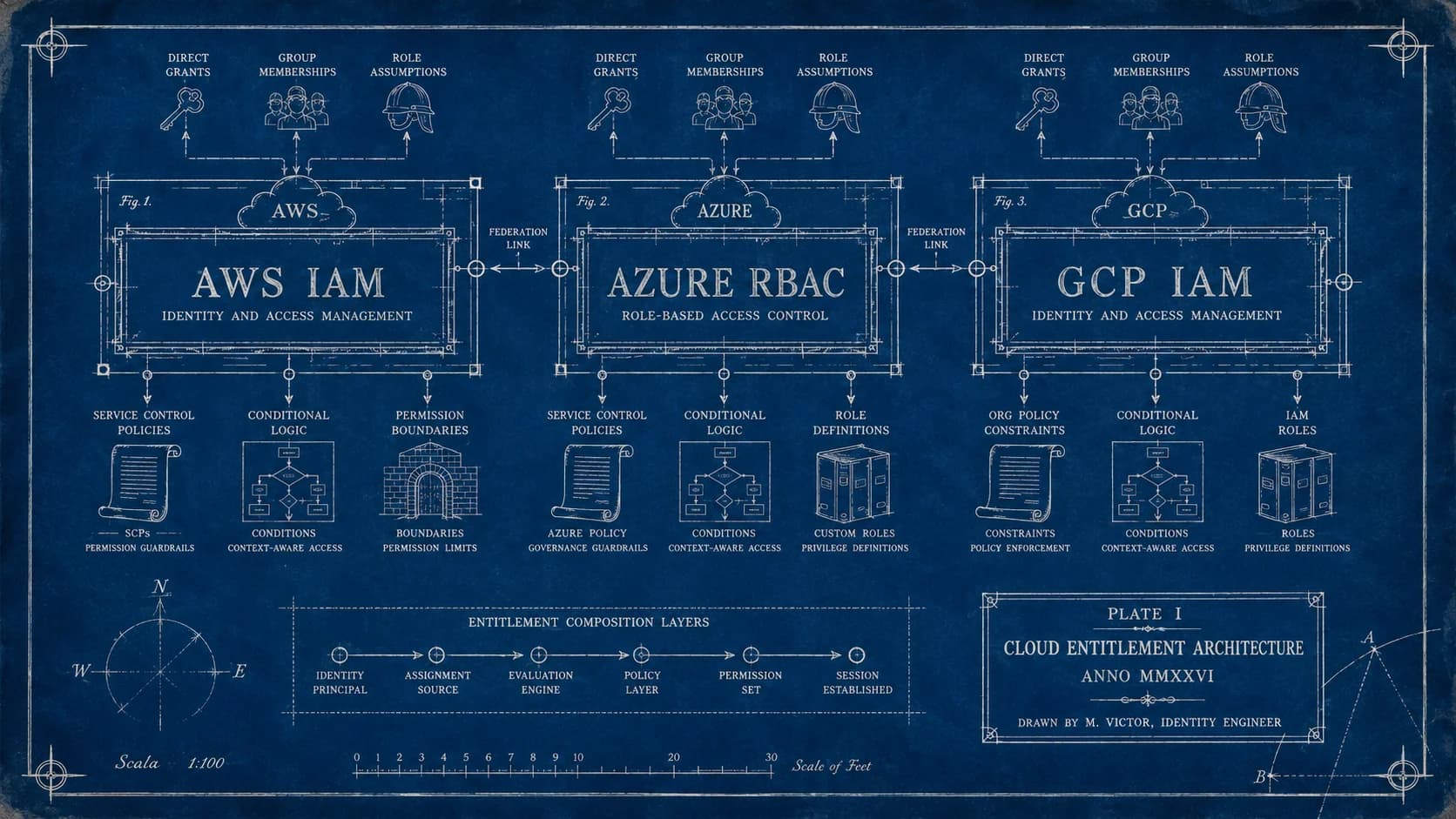
Multi-cloud identity management is where every enterprise IAM program actually lives in 2026 — federated humans and workload identities spanning AWS, Azure, GCP, and the SaaS estate, with wildly different native IAM primitives per cloud. The 2026 enterprise reference on the federation-first architecture that keeps this coherent, the human-vs-workload identity split, the four multi-cloud anti-patterns that produce audit findings, and the operational pattern that scales without producing per-cloud identity silos.

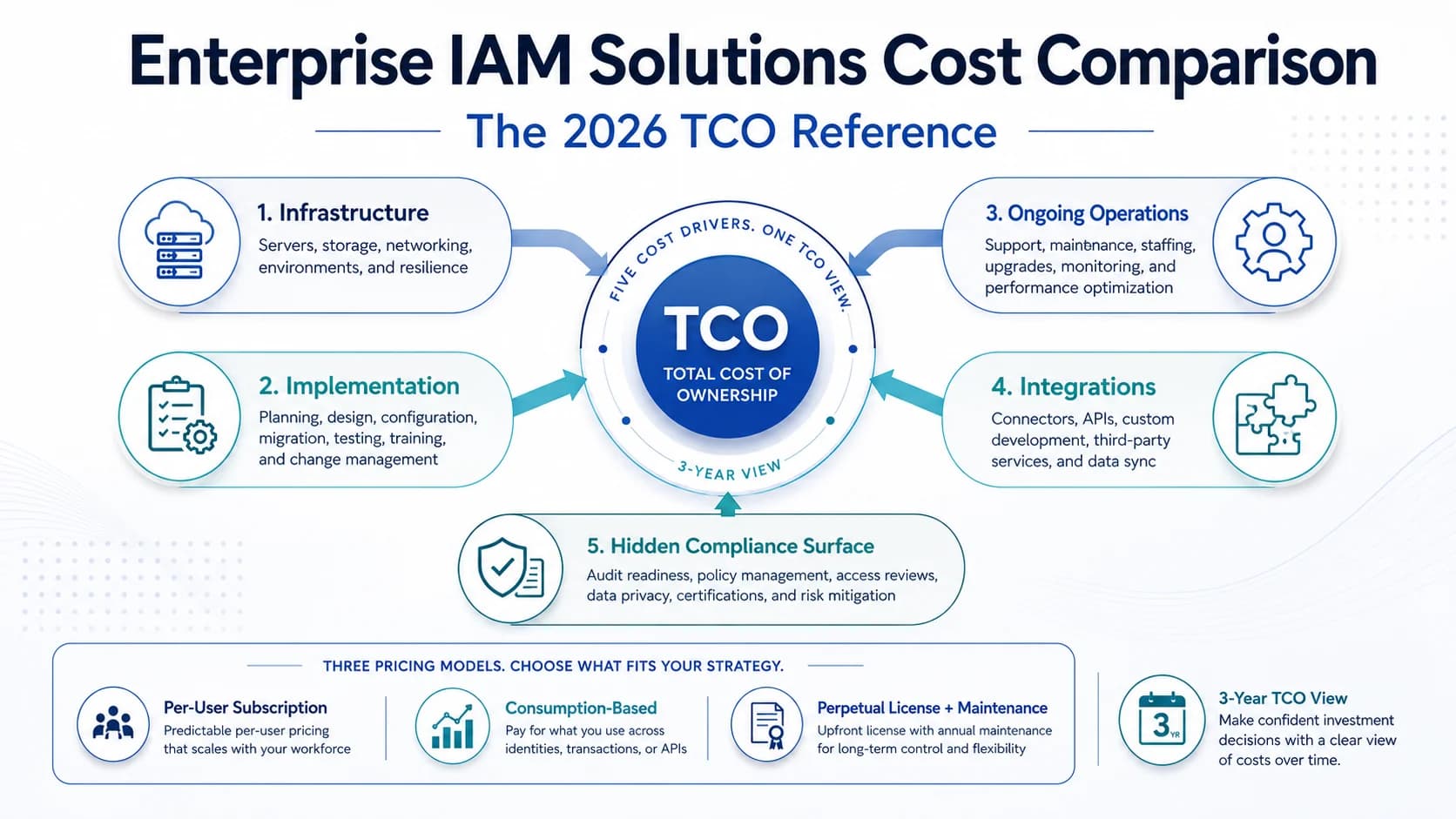
Enterprise IAM total cost of ownership isn't a per-user list price — it's a five-driver model where infrastructure, implementation, ongoing operations, integrations, and the hidden compliance surface compose into the actual multi-year spend. The 2026 enterprise reference on what drives IAM cost, how to compare vendor pricing models honestly, the hidden costs auditors surface, and the three-year TCO calculation frame that separates real cost comparison from list-price theater.

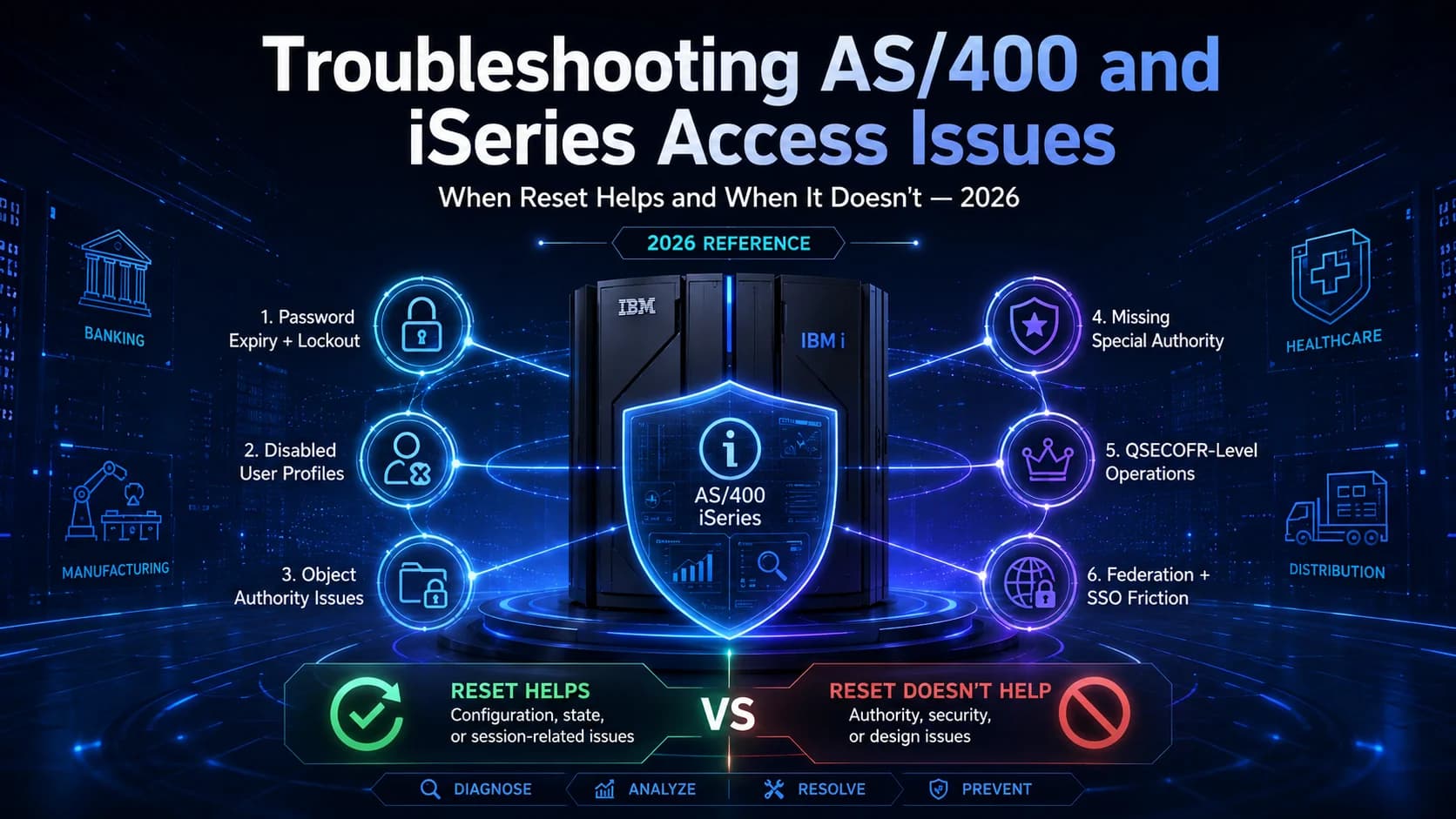
iSeries (IBM i, AS/400) access issues concentrate in six diagnostic categories — password expiry, disabled user profiles, object authority, special authority, QSECOFR operations, and federation-integration friction. The 2026 reference on the diagnostic pattern for each, when reset is the right answer, and how federation-first architecture reduces recurrence.

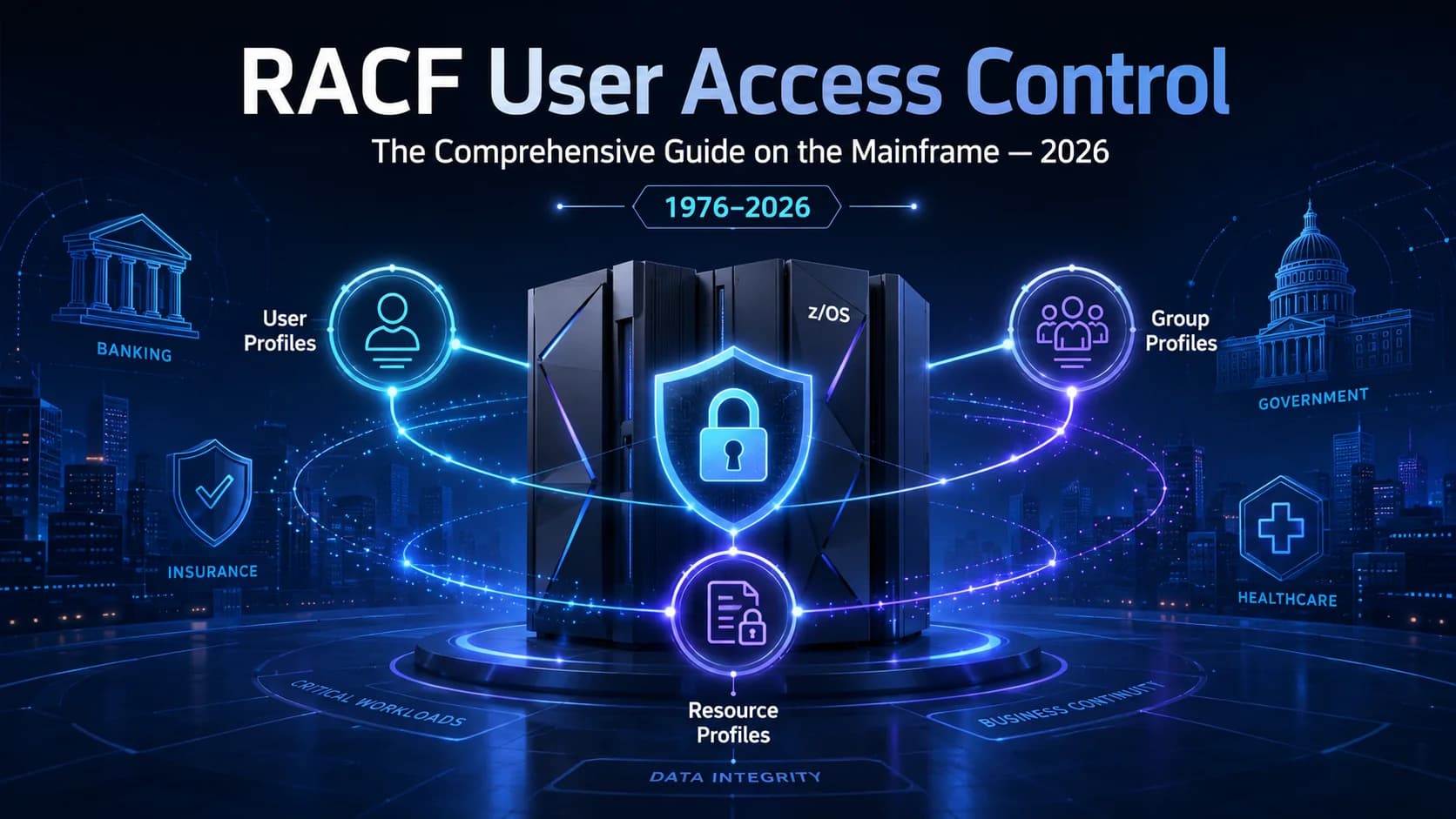
IBM Resource Access Control Facility (RACF) has been the load-bearing access control for z/OS mainframes since 1976 and remains operationally critical at banking, insurance, government, and Fortune 500 enterprises in 2026. The comprehensive reference on user profiles, group profiles, resource profiles, dataset protection, and modern IAM integration.

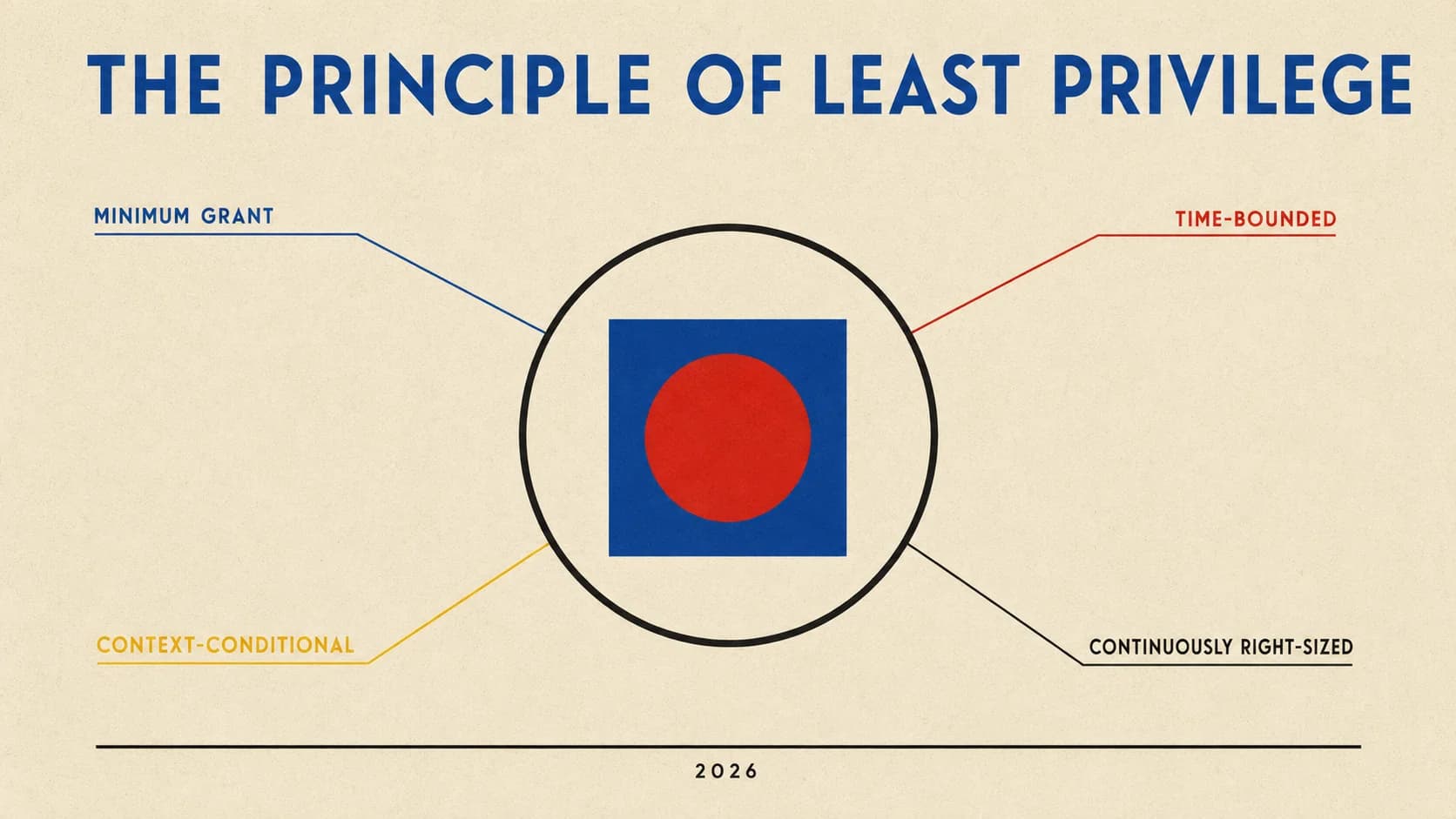
Least privilege is the oldest and most durably-relevant access-control principle in enterprise identity. The 2026 enterprise reference on what 'minimum necessary access' actually means operationally, the four surfaces where it applies (human, privileged, service, agentic), and the architecture that produces defensible least-privilege posture across all four.

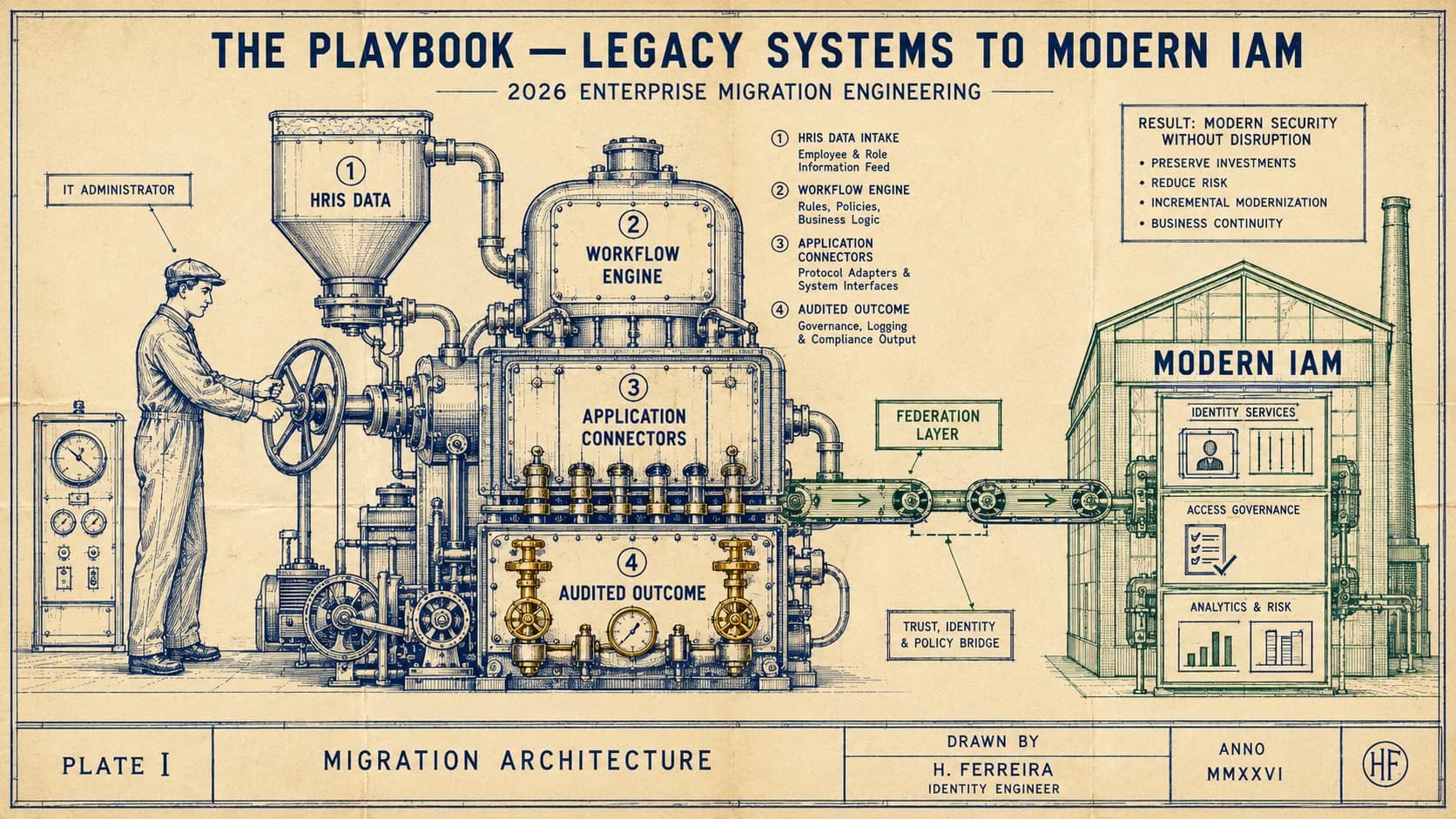
Most enterprises don't have modern IAM — they have some modern IAM layered on top of legacy IAM that never got retired. The 2026 enterprise reference on the 5-phase migration playbook that actually finishes the job: HRIS-driven lifecycle foundation, federation and SSO, phishing-resistant MFA, IGA workflow and certification, and the risk-evaluation layer above.

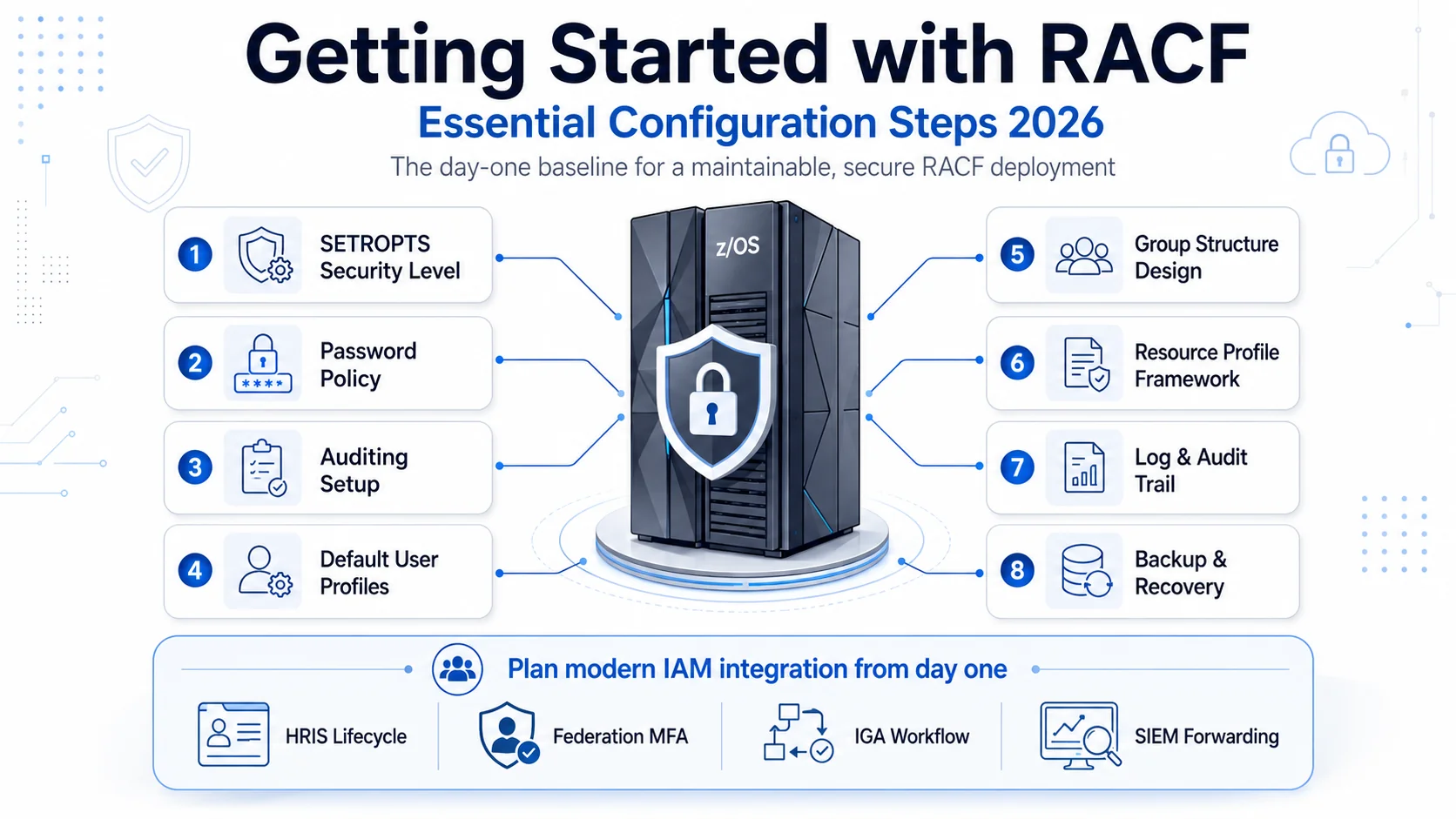
New RACF administrators face a configuration surface that took decades to accumulate — options, system values, class settings, defaults across dozens of dimensions. The 2026 reference on the eight essential initial configuration areas, the discipline that produces a maintainable baseline, and the modern IAM integration handshake to plan for from day one.

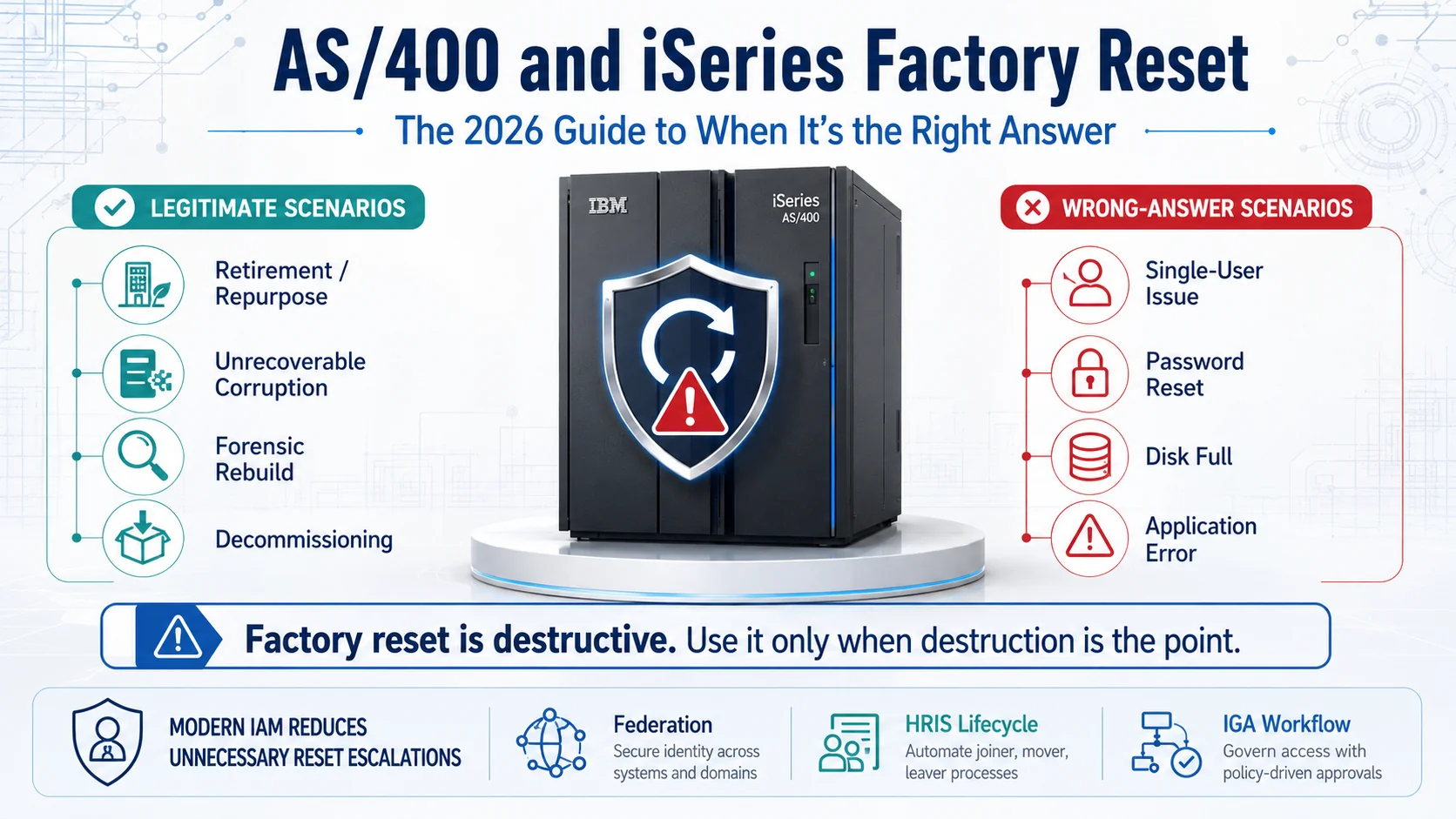
IBM iSeries factory reset is a destructive operation that returns the system to shipped configuration. The 2026 reference on the four scenarios where it's actually the right answer, the many more where it's the wrong answer, the pre-reset checklist that prevents data loss, and the modern IAM integration patterns that reduce recurrence of the underlying situations.


SOX §404 requires access controls that produce evidence, not policy documents that describe them. The 2026 enterprise reference on the four IAM access-control domains SOX auditors probe, the five reports they'll ask for, and the architecture that generates them on-demand rather than in the quarter-end scramble.
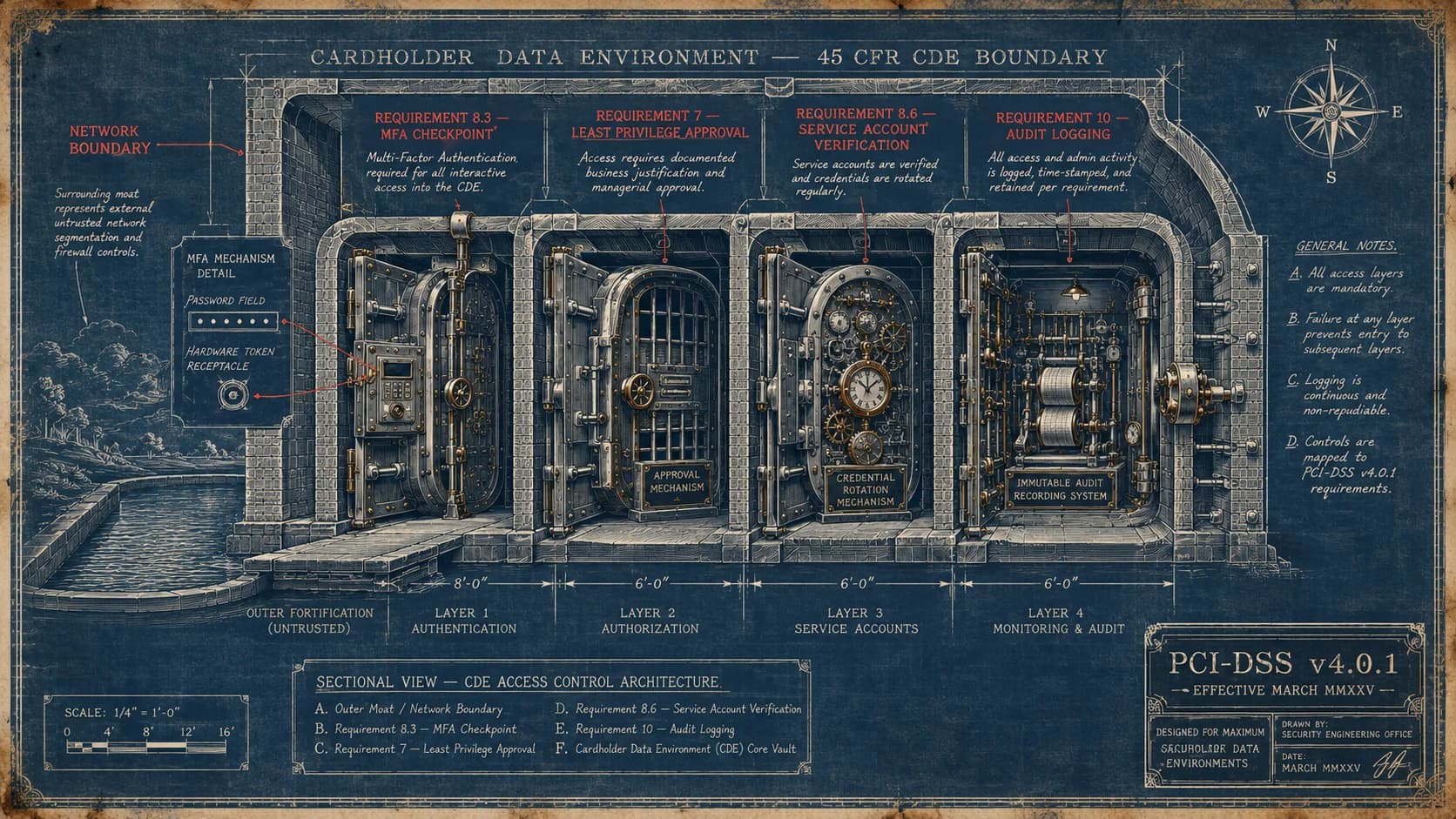
PCI-DSS v4.0.1 became mandatory for assessments on March 31, 2025 — and it's the largest expansion of IAM requirements in the standard's history. The 2026 enterprise reference on Requirements 7, 8, and 10, the MFA-everywhere expansion in 8.3, the service account tightening in 8.6, and the architecture that maps to each.

HIPAA §164.312 defines five technical safeguards for ePHI — access control, audit controls, integrity, person or entity authentication, and transmission security. The 2026 enterprise reference on what each standard actually requires from IAM, the addressable-vs-required distinction that trips up healthcare IT programs, and the architecture that produces defensible evidence at audit.

Most enterprise access reviews are checkbox exercises that pass IAM policy but fail audit scrutiny. The 2026 enterprise reference on the three questions auditors ask that checkbox reviews can't answer, the risk-weighted review architecture that produces defensible evidence across SOX, PCI-DSS, HIPAA, and SOC 2 simultaneously, and the operational patterns that make the shift sustainable.

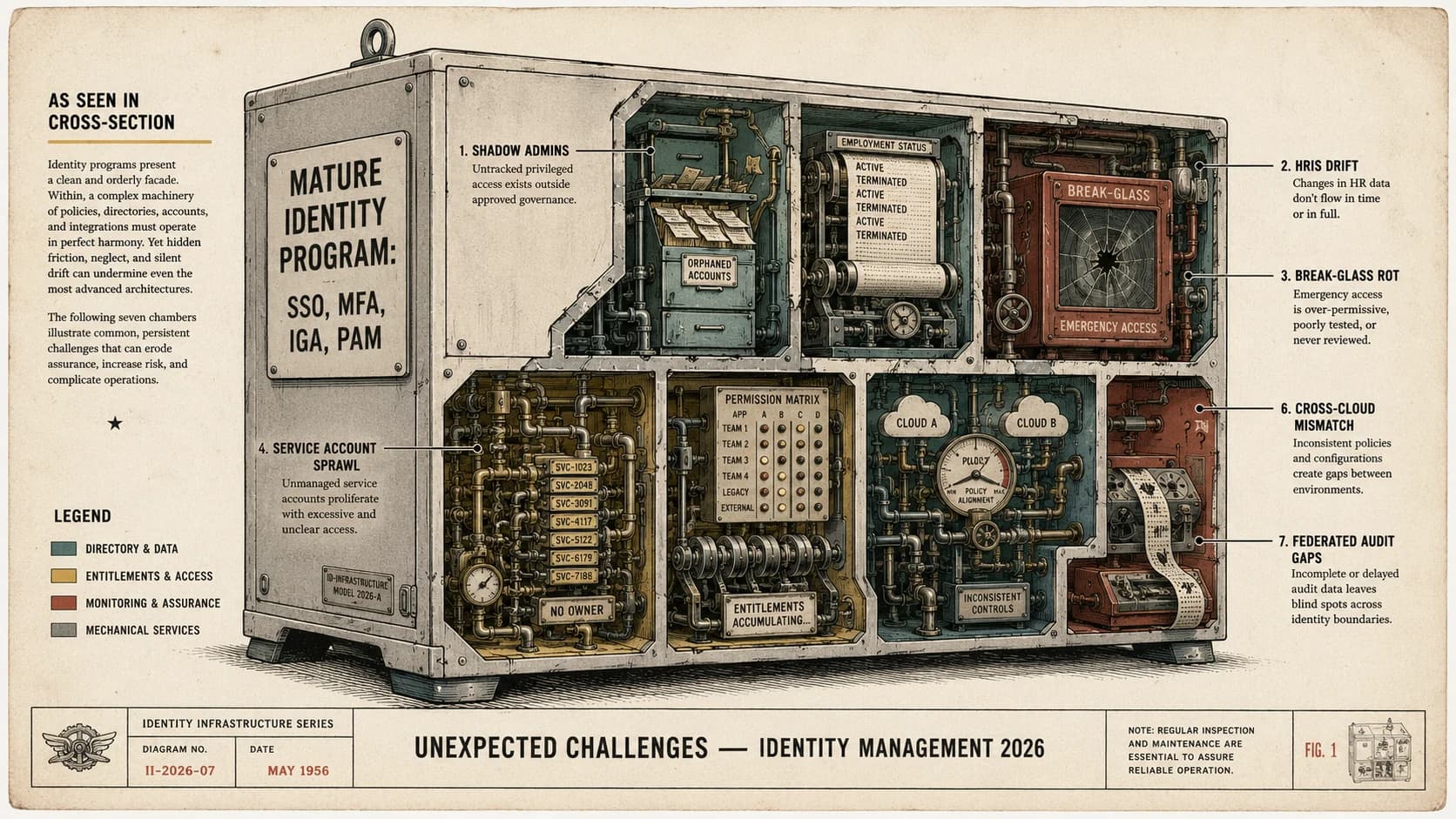
Every mature identity program clears the obvious hurdles — SSO is live, MFA is enforced, IGA is deployed, PAM covers privileged accounts. And every mature identity program still gets breached through a set of hidden failure modes that don't appear on the architecture diagram. The 2026 enterprise reference on the seven challenges that undermine identity programs after the obvious problems are solved — shadow admins, HRIS-drift orphans, break-glass credential rot, service account sprawl, permission drift over time, cross-cloud entitlement mismatch, and federated audit-trail gaps.

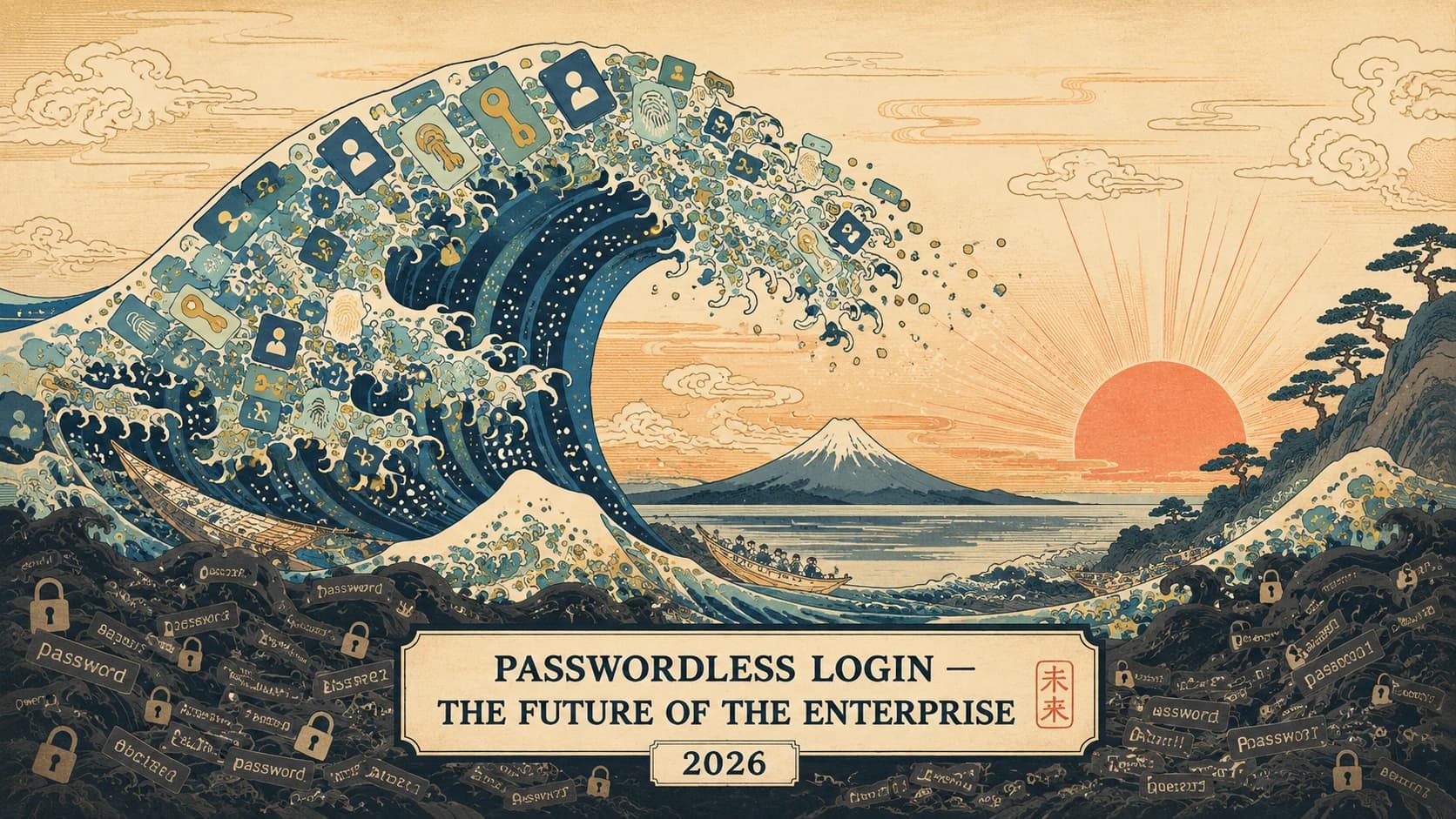
Passwordless is no longer future-tense. Passkey adoption reached mainstream enterprise deployment in 2025, hardware FIDO2 keys are the AAL3 credential across regulated industries, and platform-native passkey systems (iCloud Keychain, Google Password Manager, Microsoft Entra ID) cover the majority of workforce devices. The 2026 enterprise reference on where passwordless actually lives operationally, the sync-vs-device-bound trade-offs, the recovery-account problem that determines whether the deployment succeeds, and the cross-device UX patterns that make passwordless work at workforce scale.

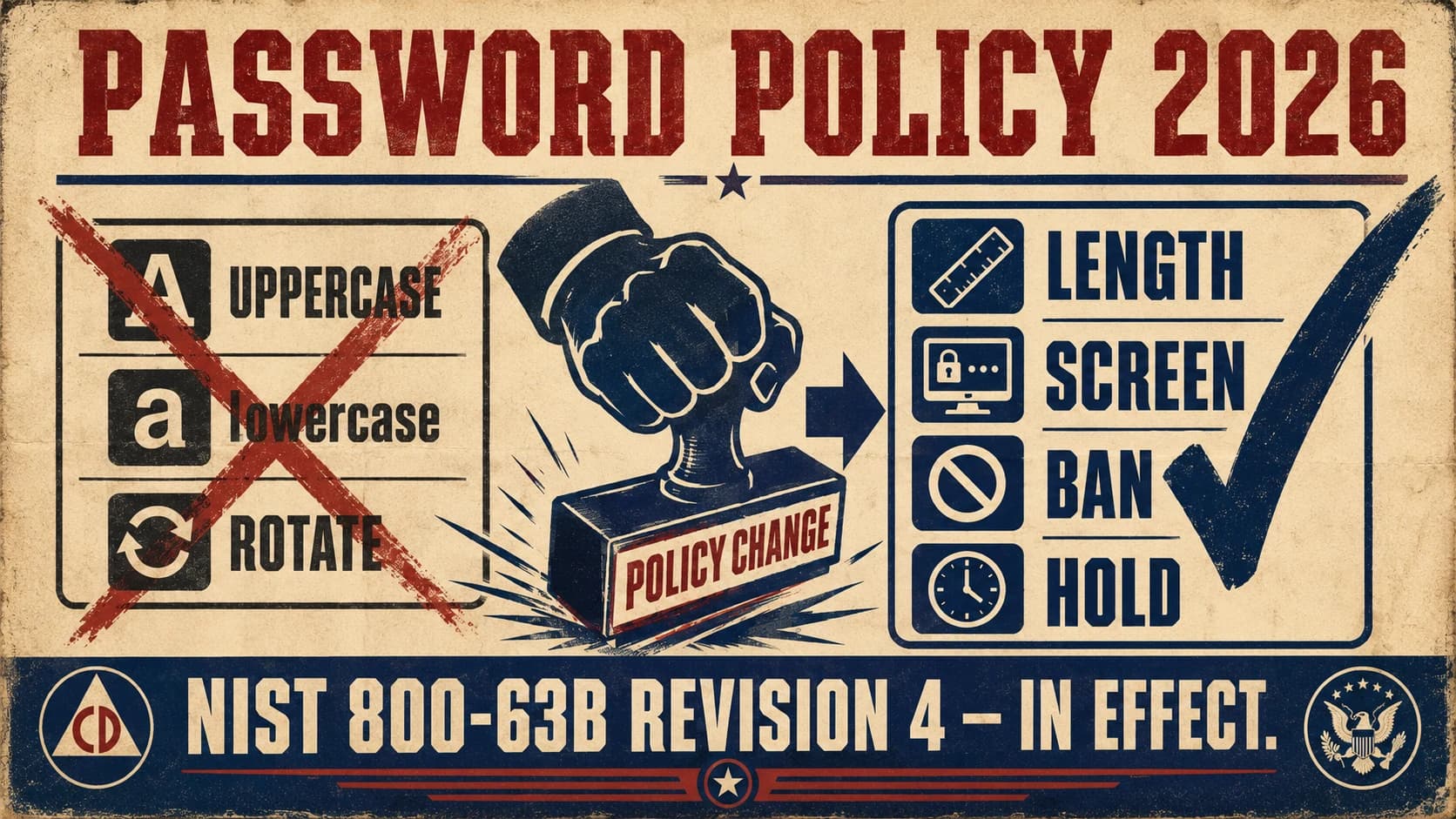
The password policy that actually reduces risk is not the password policy most enterprises still enforce. NIST 800-63B Rev. 4 (finalized 2025) dismantles the composition rules and periodic-reset mandates that defined the 2000s and codifies a fundamentally different discipline — length over complexity, breach-corpus screening, banned-list enforcement, no forced periodic rotation. The 2026 enterprise reference on the modern password policy, the AAL1/2/3 assurance-level mapping, the enforcement architecture that operationalizes it, and the migration path from the legacy policy every enterprise still carries.

Identity and Access Management isn't a single product, a single category, or a single architectural decision. It's a layered envelope of capabilities — authentication, authorization, lifecycle, governance, posture, detection — that compose into the security foundation of modern enterprise IT. The definitive 2026 enterprise reference.

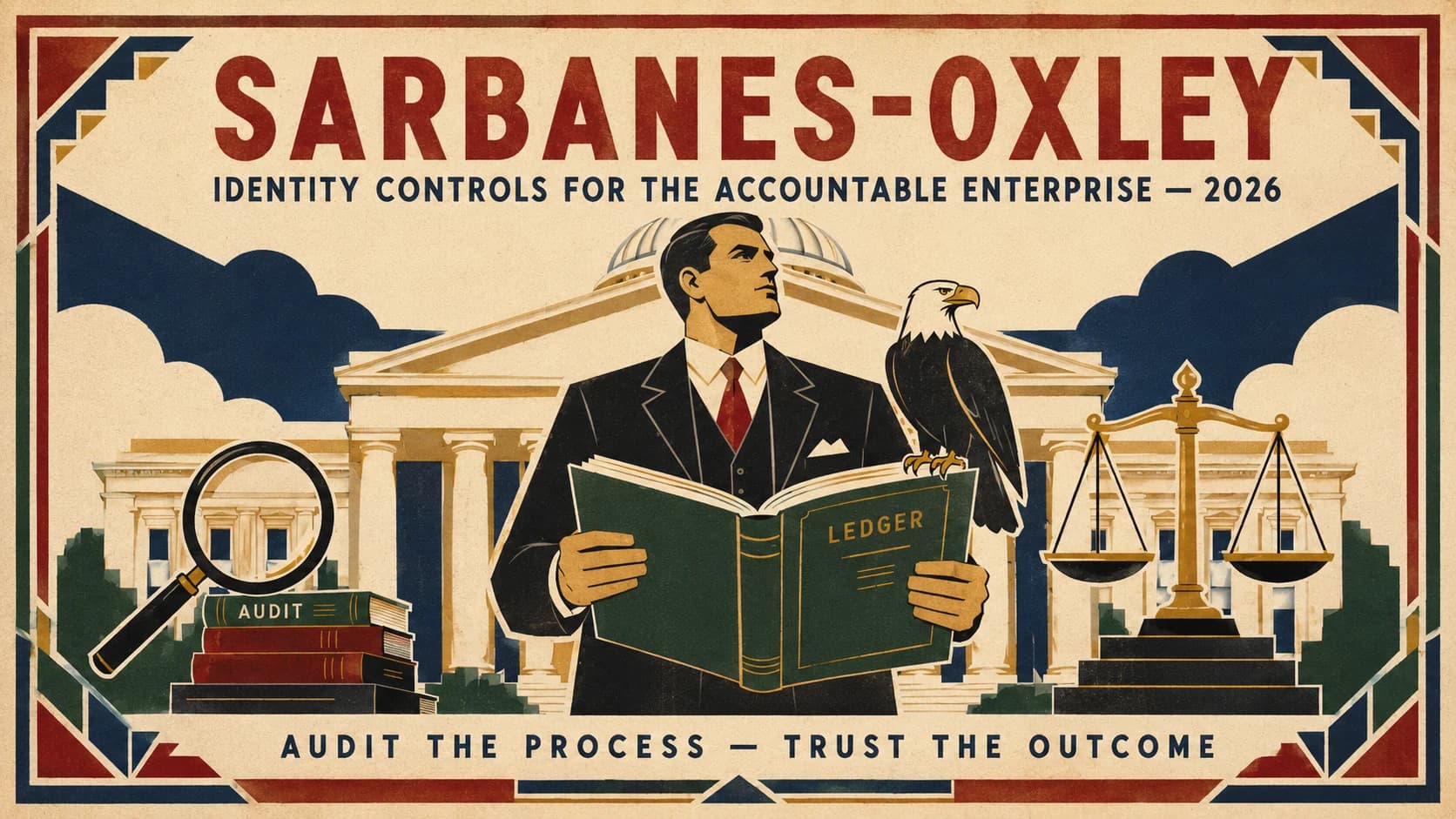
Sarbanes-Oxley Section 404 places IT general controls (ITGC) over financial systems squarely in the IAM team's lap — even though SOX itself doesn't mention identity once. The 2026 enterprise reference on the five SOX ITGC domains that depend on identity controls, the auditor expectations that shifted in the post-2025 audit cycle, and the architecture that produces clean SOX walkthroughs.

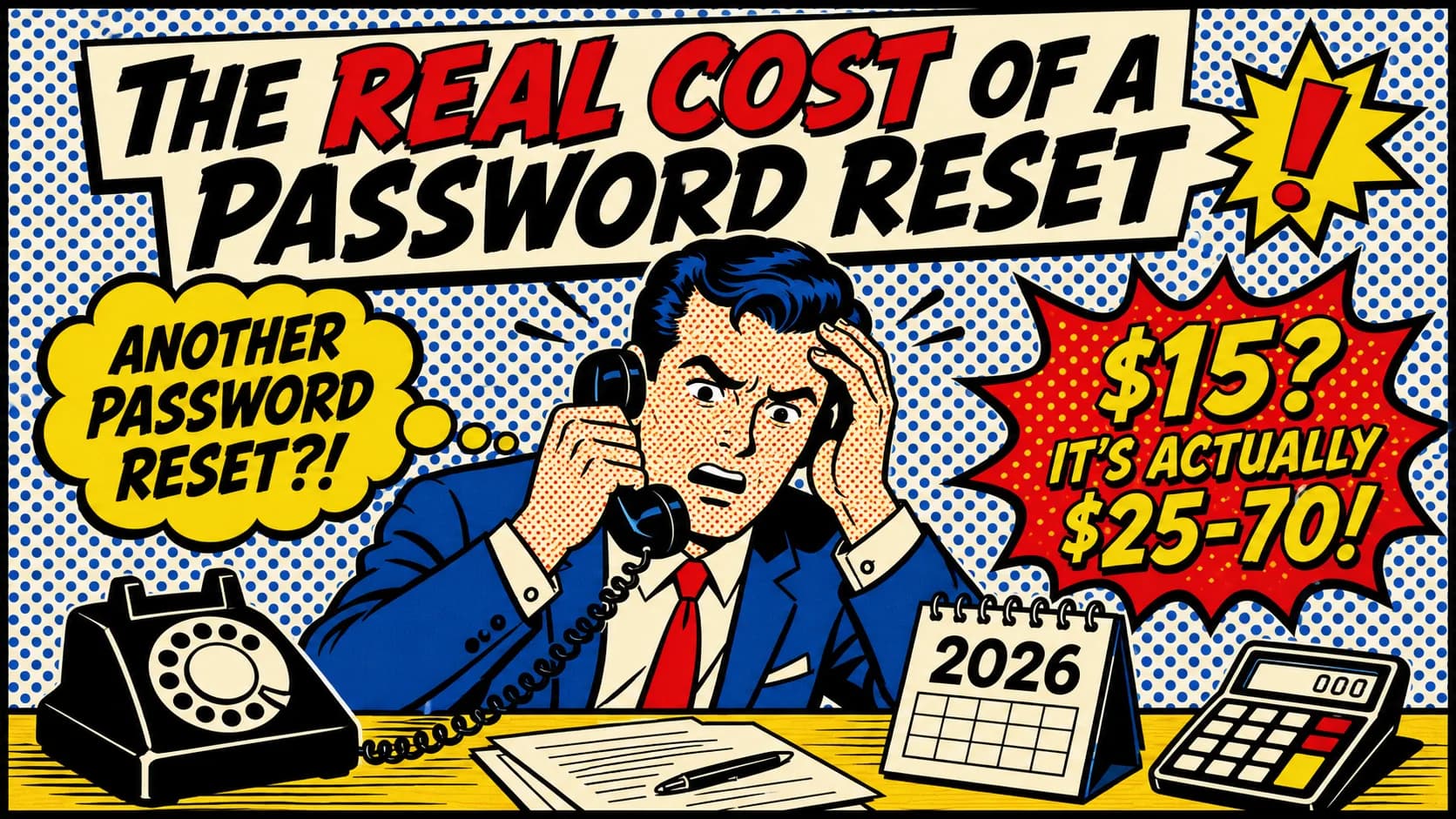
The $15-per-password-reset figure that's been quoted for two decades undercounts the true cost meaningfully. The 2026 enterprise reference on the five cost components that make up the actual per-reset price, why each one undercounts, how to compute the number for your own organization, and the savings model when reset automation is deployed properly.

HIPAA Security Rule § 164.312 places identity controls at the center of every covered entity's access-audit risk. OCR enforcement actions have intensified through 2024-25, and the 2026 audit profile is substantively harder than the prior decade. The enterprise reference on the five Technical Safeguards that depend on identity controls, the post-2024 OCR enforcement pattern, and the architecture that produces defensible HIPAA access-audit posture for healthcare IT.

Traditional IGA was built for workforce identity in defined business systems. Cloud infrastructure is a different problem — thousands of permissions per cloud account, machine-identity dominance, inheritance through nested groups and policies, scale that no human reviewer can certify manually. CIEM is the emerging analyst category that handles this complexity. The 2026 enterprise reference on the four CIEM domains, the vendor landscape, and the architectural composition with IGA, PAM, and ISPM.

Temporary passwords are the recovery credential class that most enterprises still issue, share insecurely, and persist beyond their intended scope. NIST 800-63B Rev. 4 raised the bar in 2025, and the 2026 architectural pattern moves further — away from temporary passwords toward workflow-verified recovery. The enterprise reference on what's required, what's recommended, and where temporary passwords genuinely still belong.

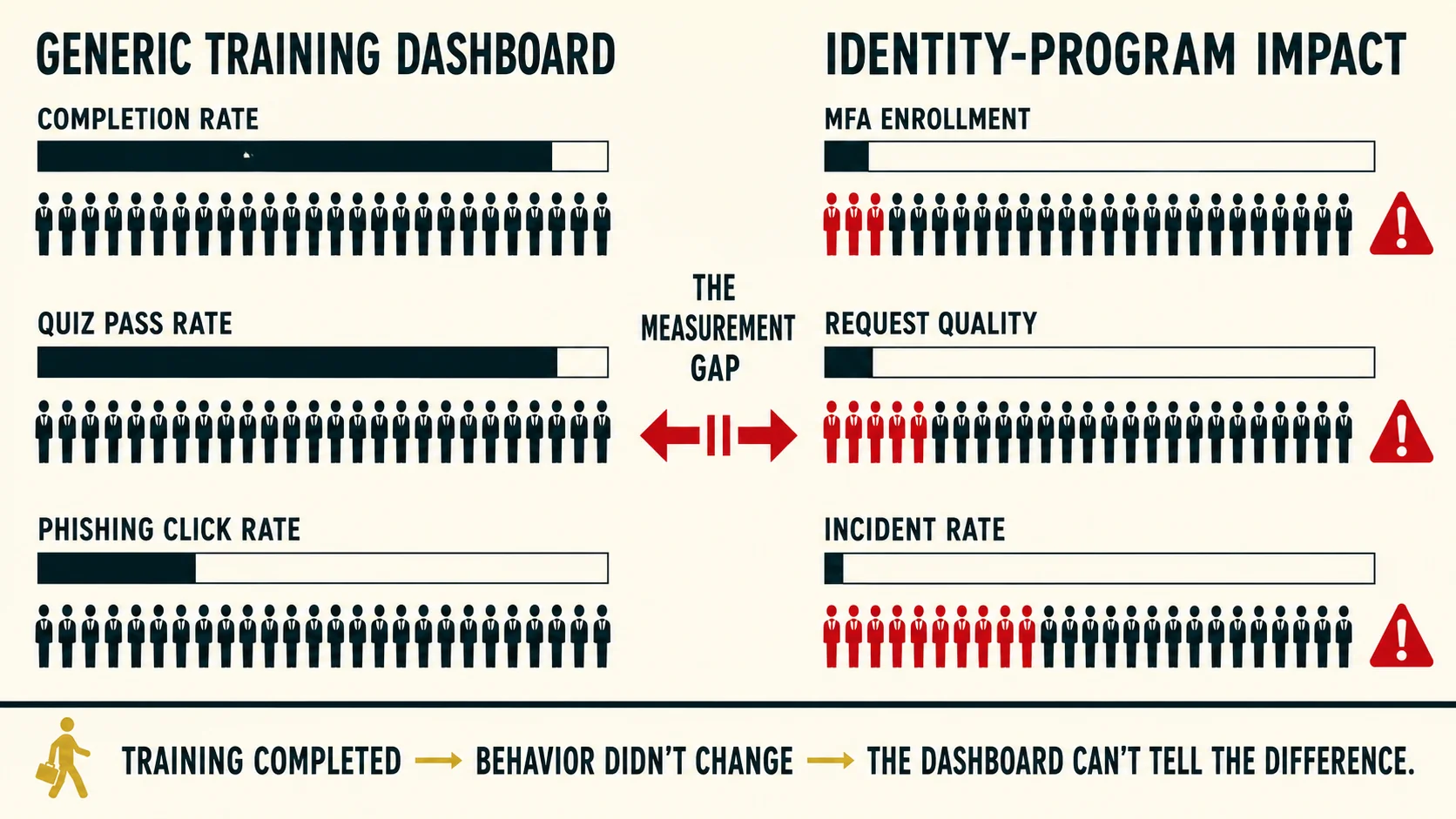
Most security awareness training dashboards measure participation and quiz scores. Identity programs need to measure something different — whether the training actually changed the credential-handling, MFA-adoption, and access-request behaviors that determine the identity-attack surface. The 2026 enterprise reference on the five identity-specific KPI categories, the telemetry integration that makes them measurable, and where most training measurement programs break.

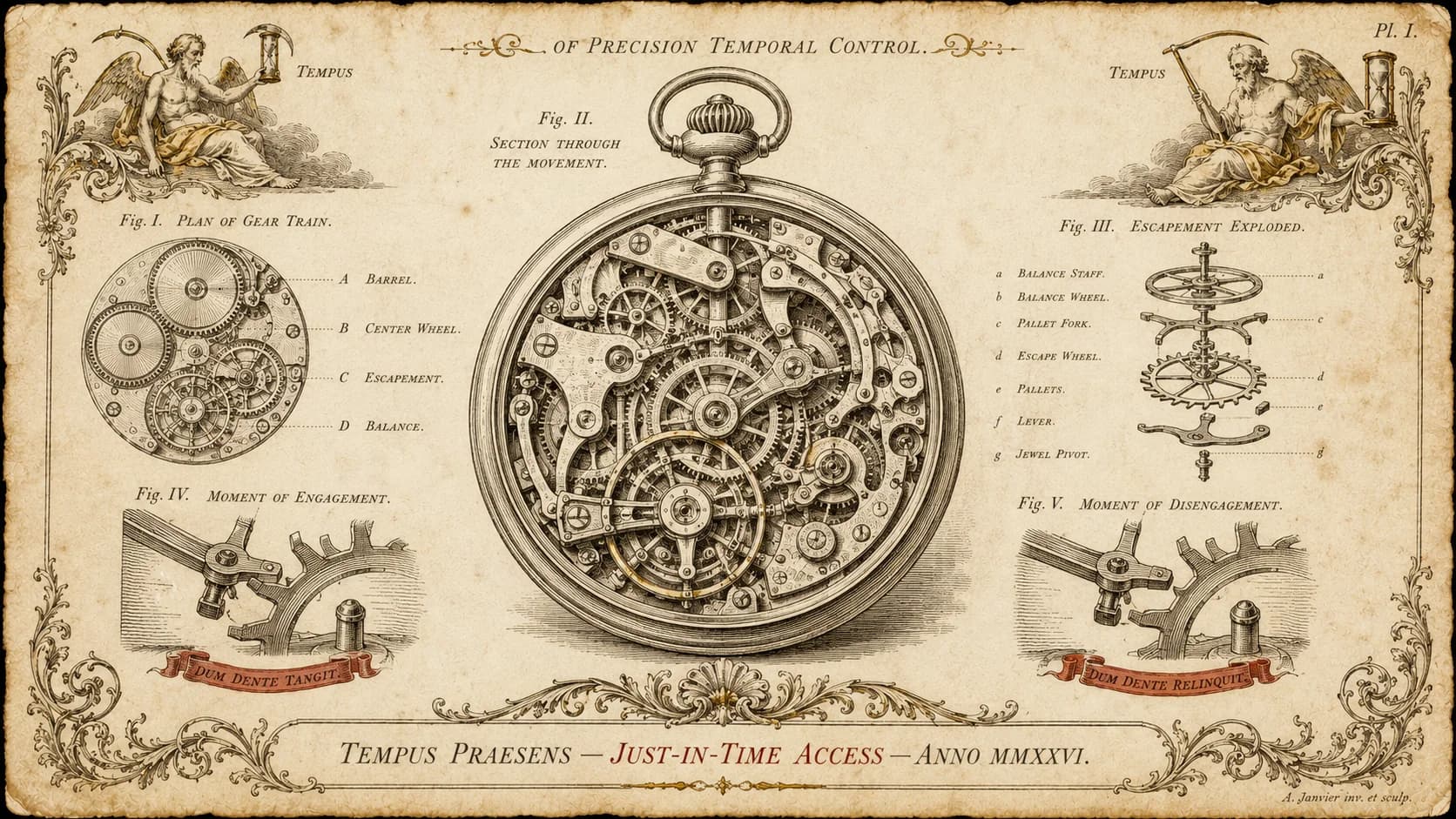
Standing privilege is the legacy pattern — users (and service accounts, and AI agents) hold permanent entitlements regardless of whether they're using them right now. Zero Standing Privilege flips the model: nobody has permanent privileged access; access is granted at the moment of need and revoked automatically when the task completes. The 2026 enterprise reference on JIT access architecture, the workforce segments where it's operationally mature, and where the pattern breaks.

60% of IGA deployments stall. The platform is in production, the consultants left, the certification campaigns happen on paper but produce nothing actionable, and leadership wants to know why the program isn't delivering. The 2026 enterprise reference on the four failure patterns that produce stalled IGA, when to restart vs continue, and what a phased recovery actually looks like.

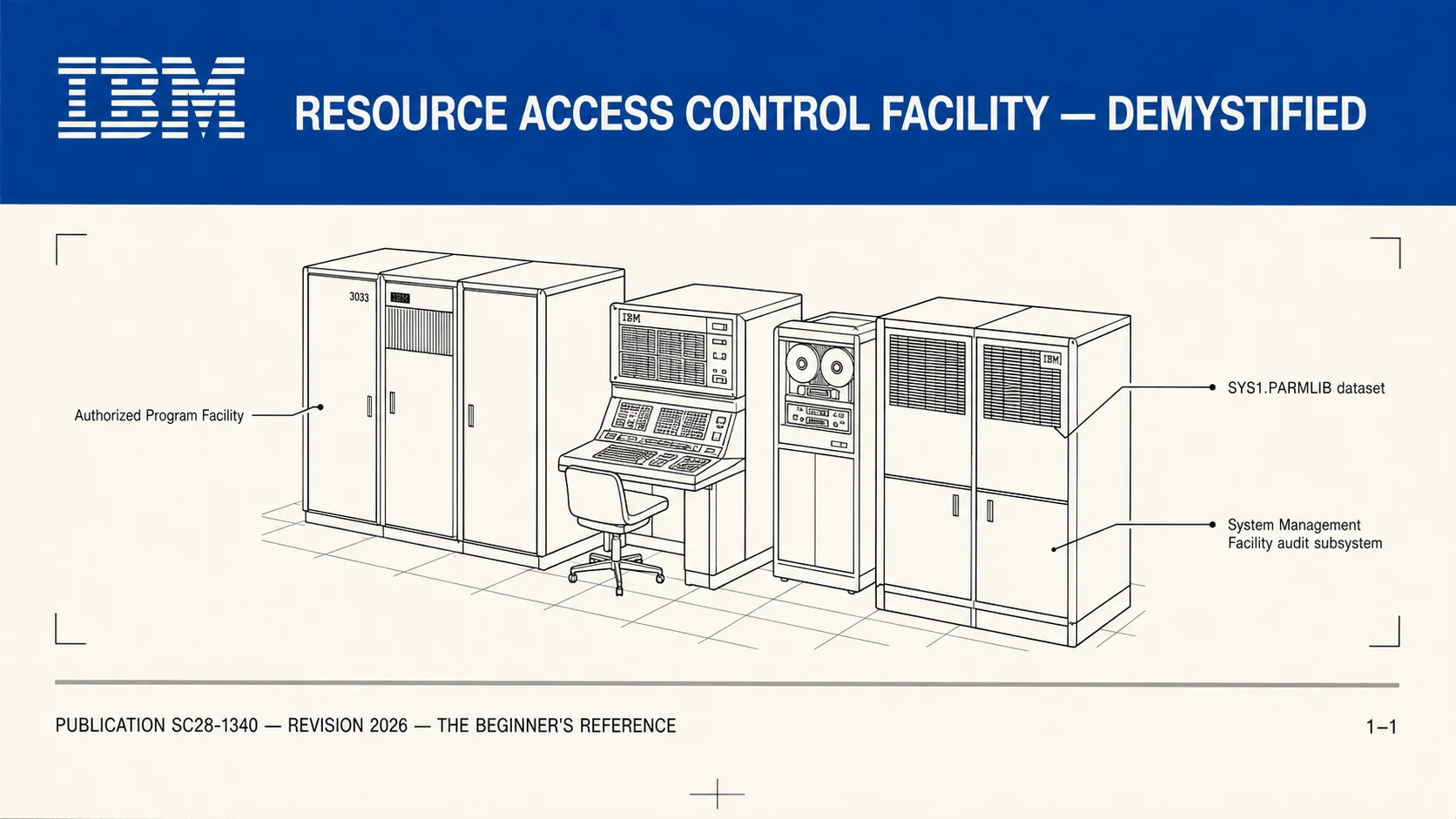
RACF has been securing IBM mainframes since 1976. In 2026, it's still securing the systems that process most of the world's credit card transactions, airline reservations, government records, and bank settlements. The plain-English beginner's guide to what RACF is, who uses it, why it still matters in 2026, and how it fits with the modern identity stack.

Most enterprise access reviews are checkbox exercises — manager attests, audit log records, cycle closes. The auditor walks away with a binder of attestation evidence and the program reports clean. The 2026 auditor profile asks harder questions: did the reviewer actually engage, does the catalog match target-system reality, and what changed as a result. The enterprise reference on the three questions auditors actually ask now and the five review patterns that pass the test.

Most enterprise access doesn't flow through the IGA platform — it flows through Slack DMs, ServiceNow tickets routed to direct grant, manager spreadsheets, tool-side admin self-service, and vendor SaaS self-provisioning. The 2026 enterprise reference on shadow IT provisioning, why it bypasses even mature IGA programs, and the architectural pattern that captures it without breaking the operational flow.

ISPM is the emerging analyst category that sits above IGA and beside ITDR — the preventive posture audit, drift detection, and identity-asset inventory layer that answers 'is our identity infrastructure currently configured the way our policy says it should be.' The 2026 enterprise reference on the evaluation domains, vendor landscape, and integration architecture.

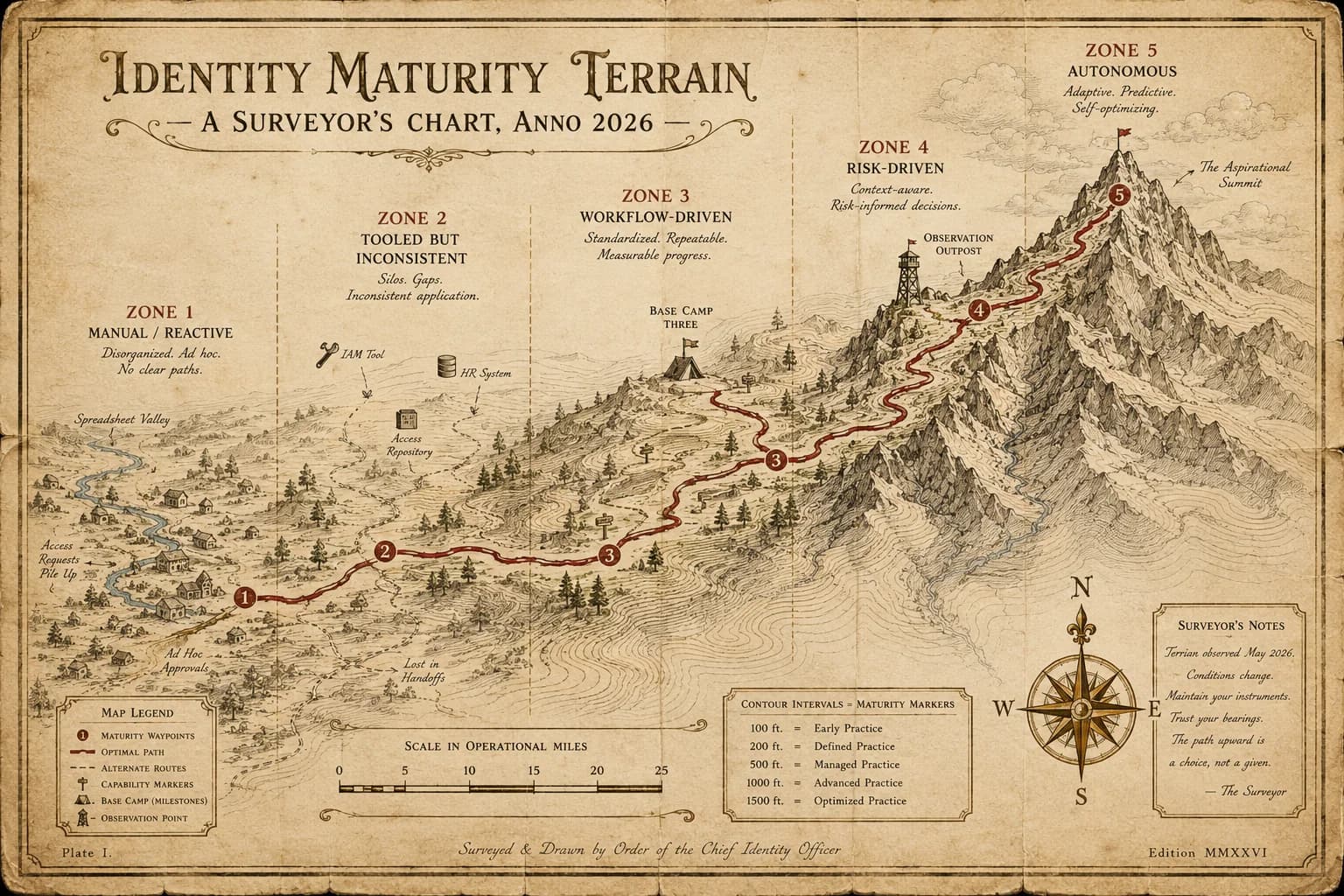
Every enterprise identity program sits at one of five maturity stages — from manual and reactive at Stage 1 to autonomous and AI-augmented at Stage 5. The 2026 enterprise reference on the five-stage model, the self-assessment criteria that locate where you stand, and the operational moves that get you to the next stage.

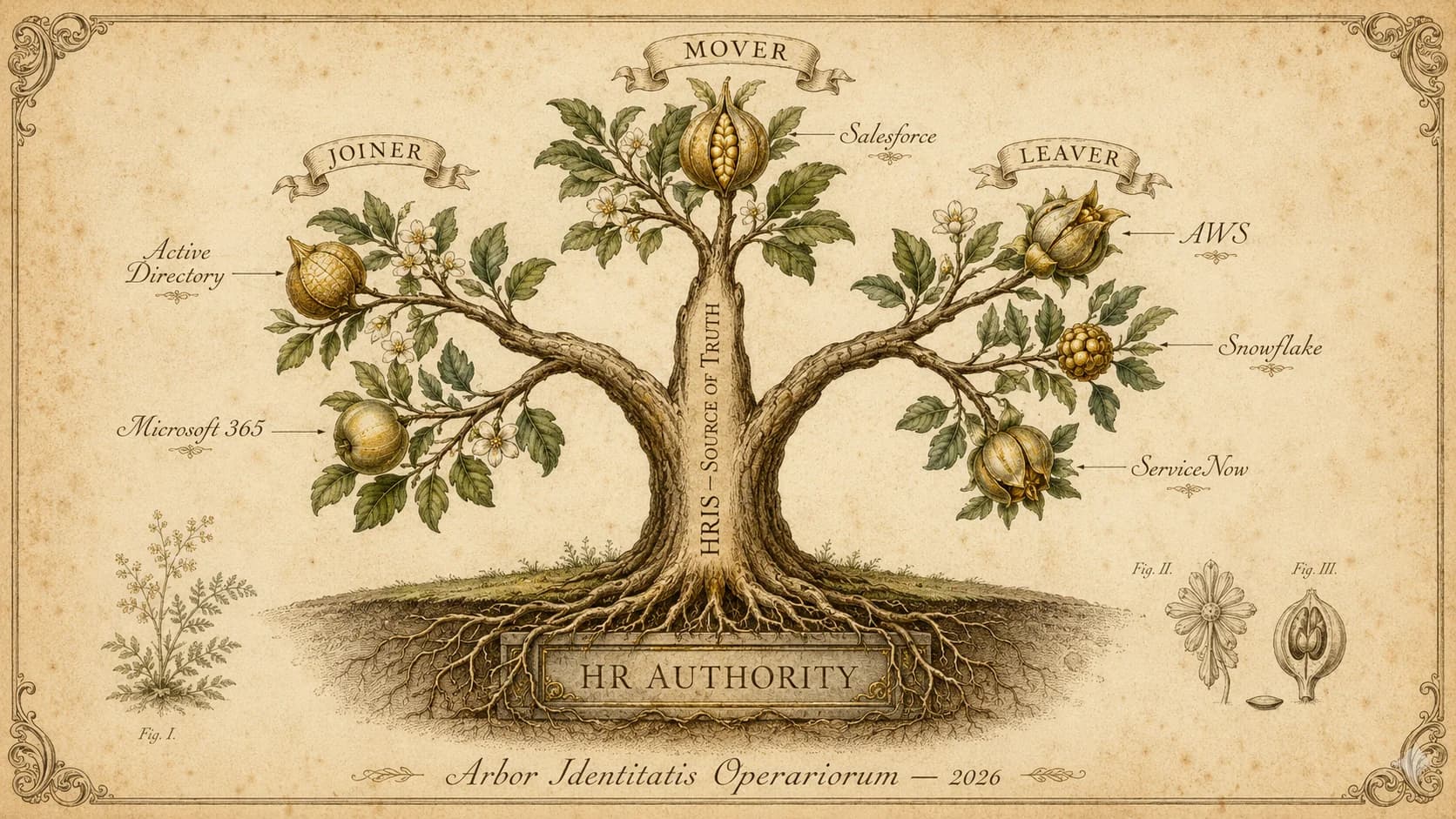
Modern identity governance treats the HRIS — SAP SuccessFactors, Workday, BambooHR, ADP — as the authoritative source of truth for who works at the organization, what role they hold, and when their access should change. The 2026 enterprise reference on the integration patterns, schema discipline, and architecture that survives HRIS upgrades.

Quarterly access certification campaigns are the operational backbone of IGA — and the place where certification fatigue does the most damage. The 2026 enterprise reference on what AI actually automates in certification (not the vendor-marketing version), where the time savings come from operationally, and where AI-augmented certification breaks if you skip the architectural discipline.

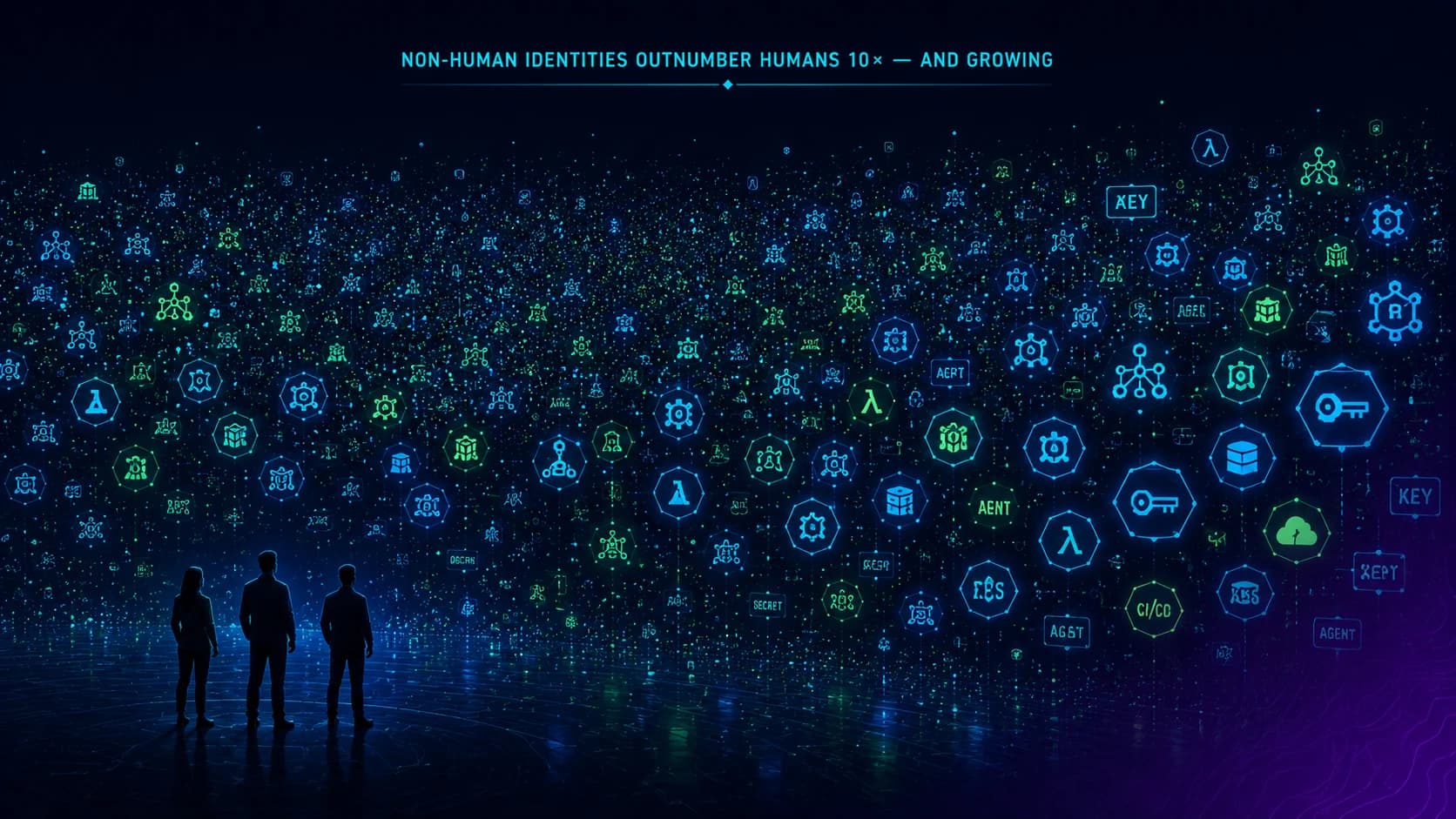
Non-human identities — service accounts, workload identities, API credentials, automation agents, and the rapidly growing population of AI agent identities — now outnumber human identities in most 2026 enterprises by 10× or more. The reference on what NHI is, where the governance gaps are, and the architecture that brings non-human credentials under the same lifecycle discipline as humans.

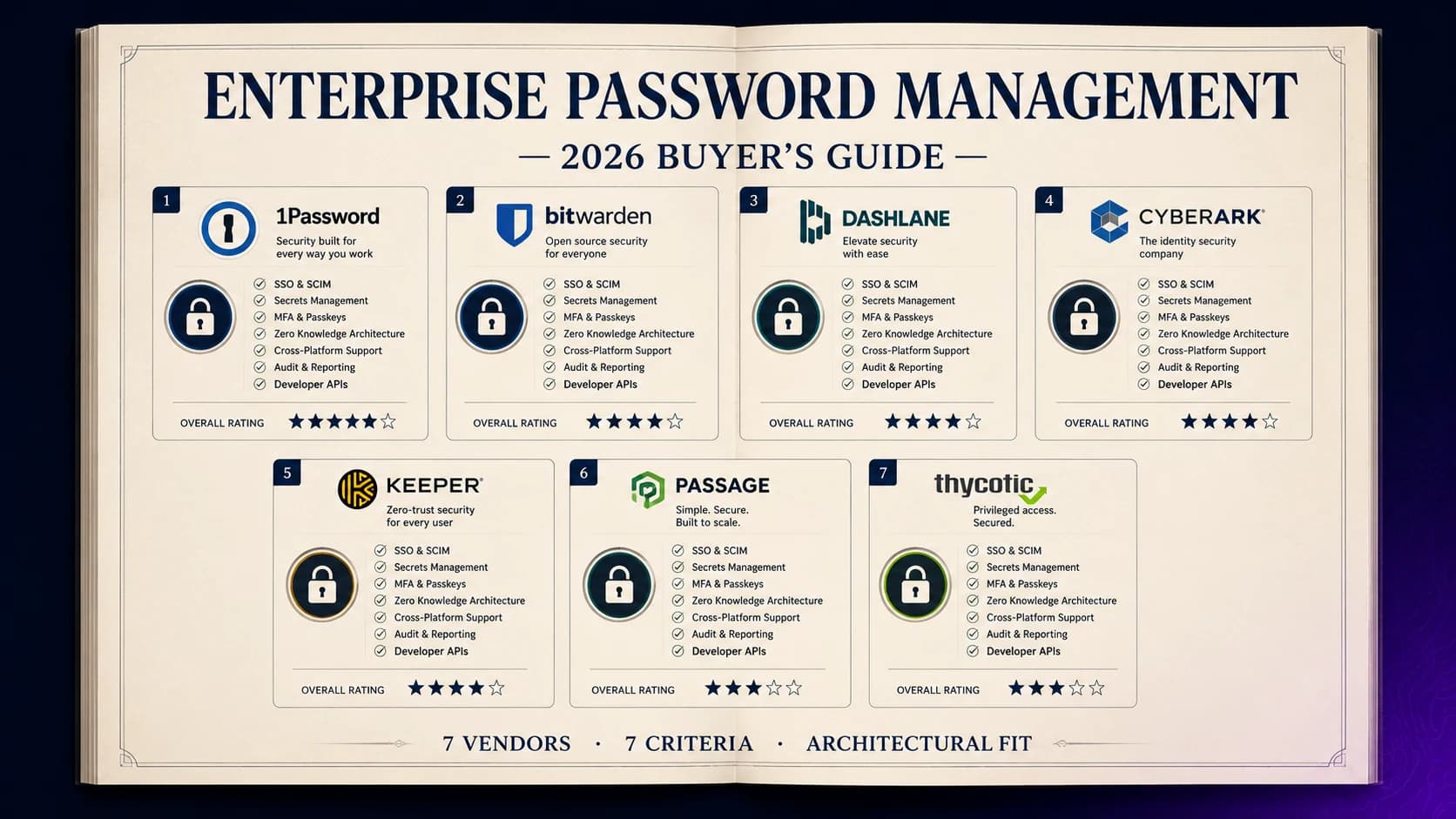
Enterprise password management software handles the password reality enterprises can't yet escape — legacy applications, frontline workers, contractor populations, and the long tail of systems that won't go passwordless this decade. The 2026 buyer's guide compares the major vendors, the evaluation criteria that actually matter, and the architectural fit decisions for different workforce profiles.

Privileged Access Management is the discipline that governs the small population of identities with disproportionately large blast radius — domain admins, mainframe operators, financial-system controllers, security tools, service accounts. The 2026 reference on what PAM actually covers, where it overlaps and diverges from IGA, and the architecture that gets both right.

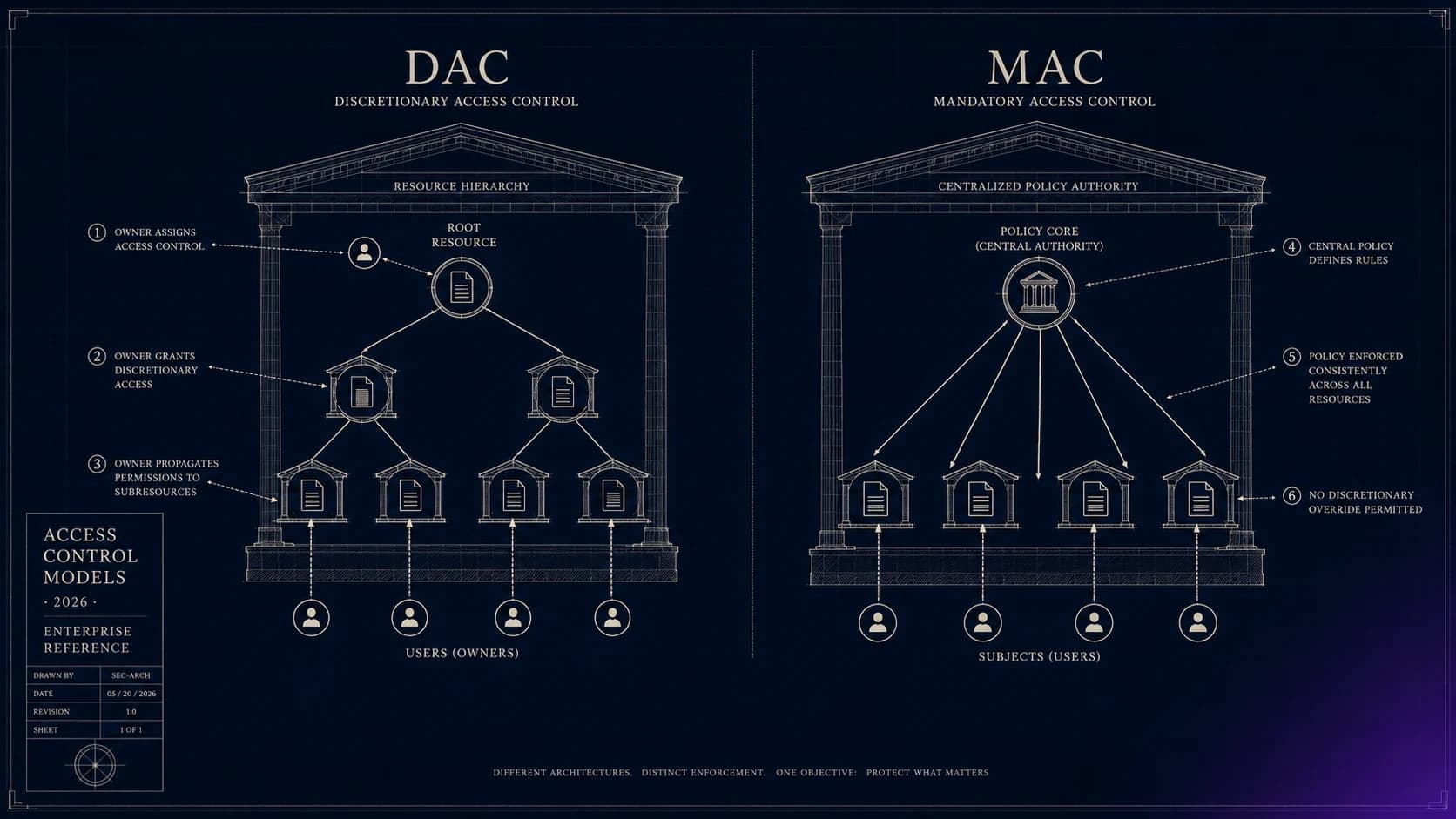
Mandatory Access Control and Discretionary Access Control are the two foundational access-control models that frame every enterprise IGA decision. The 2026 reference on what each model actually enforces, where RBAC and ABAC fit, how mainframe RACF and ACF2 implement both, and the architecture that composes them cleanly.

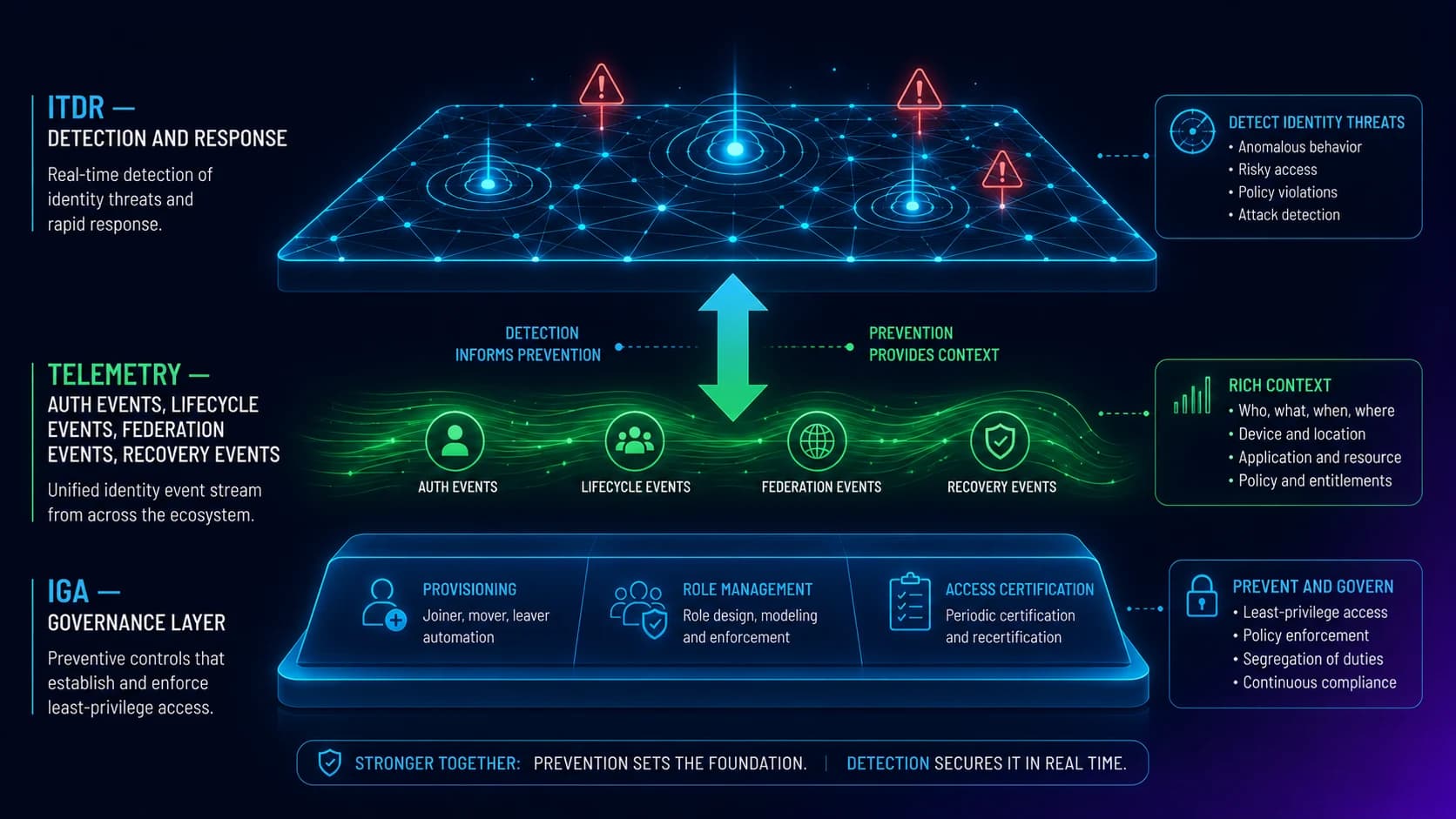
ITDR is the buzzy adjacent category to IGA — and in 2026 it has become a load-bearing layer for any enterprise that wants to detect identity-based attacks instead of just preventing them. The honest guide to what ITDR is, where it fits relative to IGA, and the architecture that ties identity governance to identity detection.

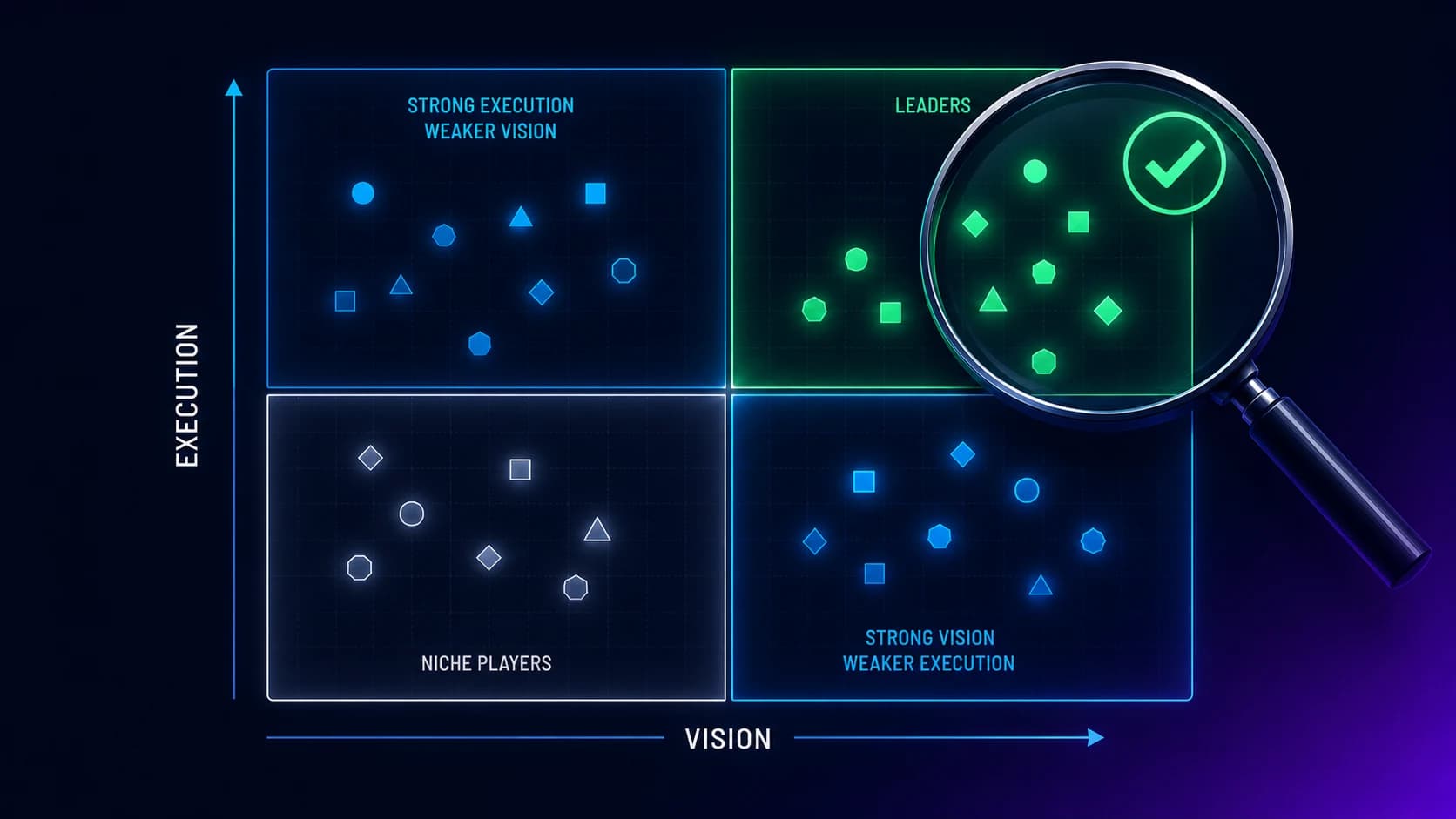
Analyst quadrant reports are the most-cited and most-misread artifact in enterprise IGA procurement. The 2026 buyer-side guide on how vendor quadrant placement actually maps to deployment risk, where the methodology blind spots are, and how to use the report alongside the operational evidence procurement teams actually need.

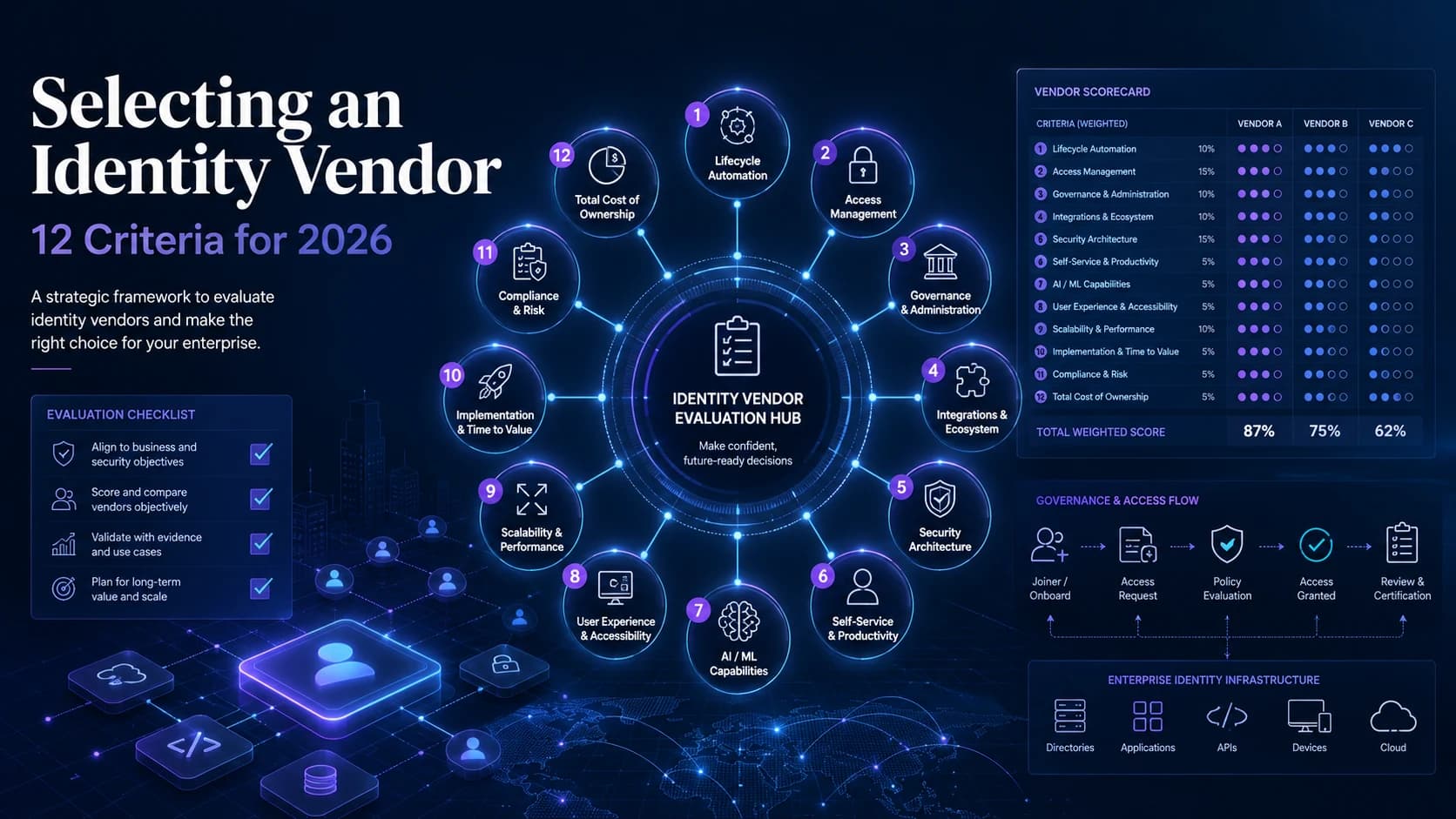
The evaluation framework for choosing an identity management vendor — what 2026 looks like for each criterion, what to ask in demos, and what trade-offs the vendor probably won't surface.

Mainframes still hold the records of authority for banking, insurance, government, and healthcare. The 2026 architecture for modernizing mainframe identity — keeping RACF, ACF2, and Top Secret in place while integrating them into zero-trust governance.

Identity systems generate a lot of suspicious-looking events that aren't actually attacks. The 2026 architecture for separating real signal from noise — without losing the signal.

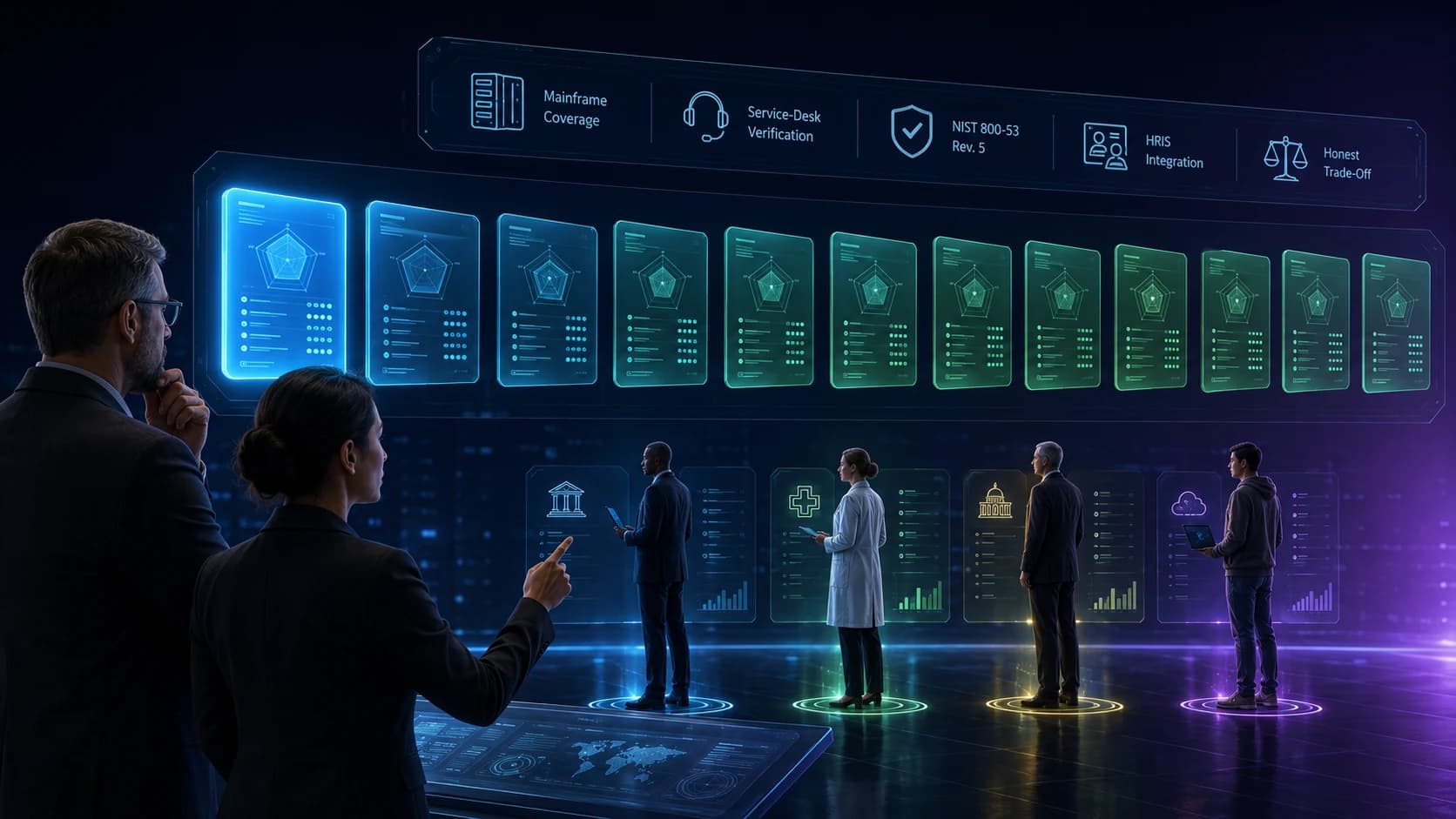
Twelve identity lifecycle management platforms compared against the operational reality of running joiner/mover/leaver at workforce scale — including mainframe, service-desk verification, and NIST 800-53 alignment.

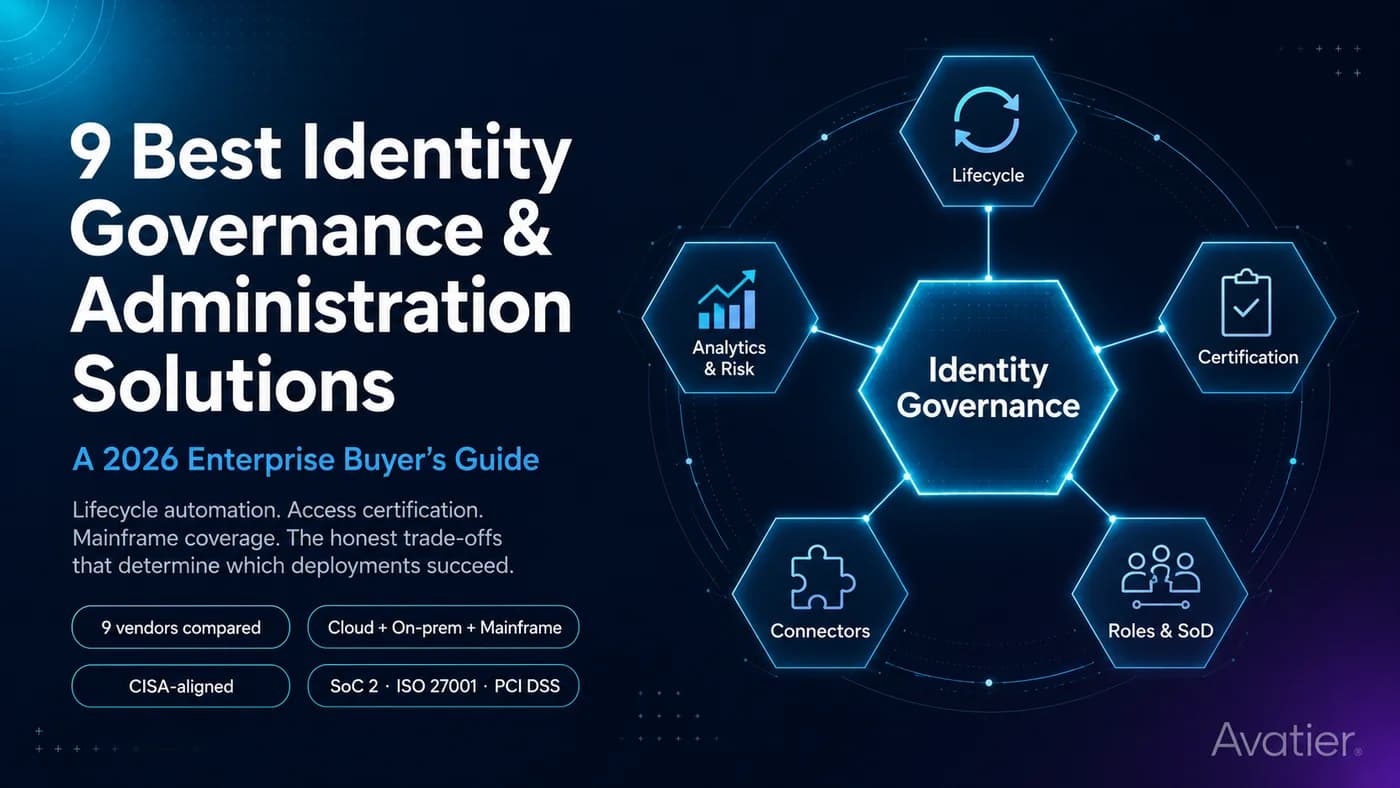
A 2026 buyer's guide to enterprise identity governance and administration — nine vendors compared on lifecycle automation, access certification, mainframe coverage, and the honest trade-offs that determine which deployments succeed.

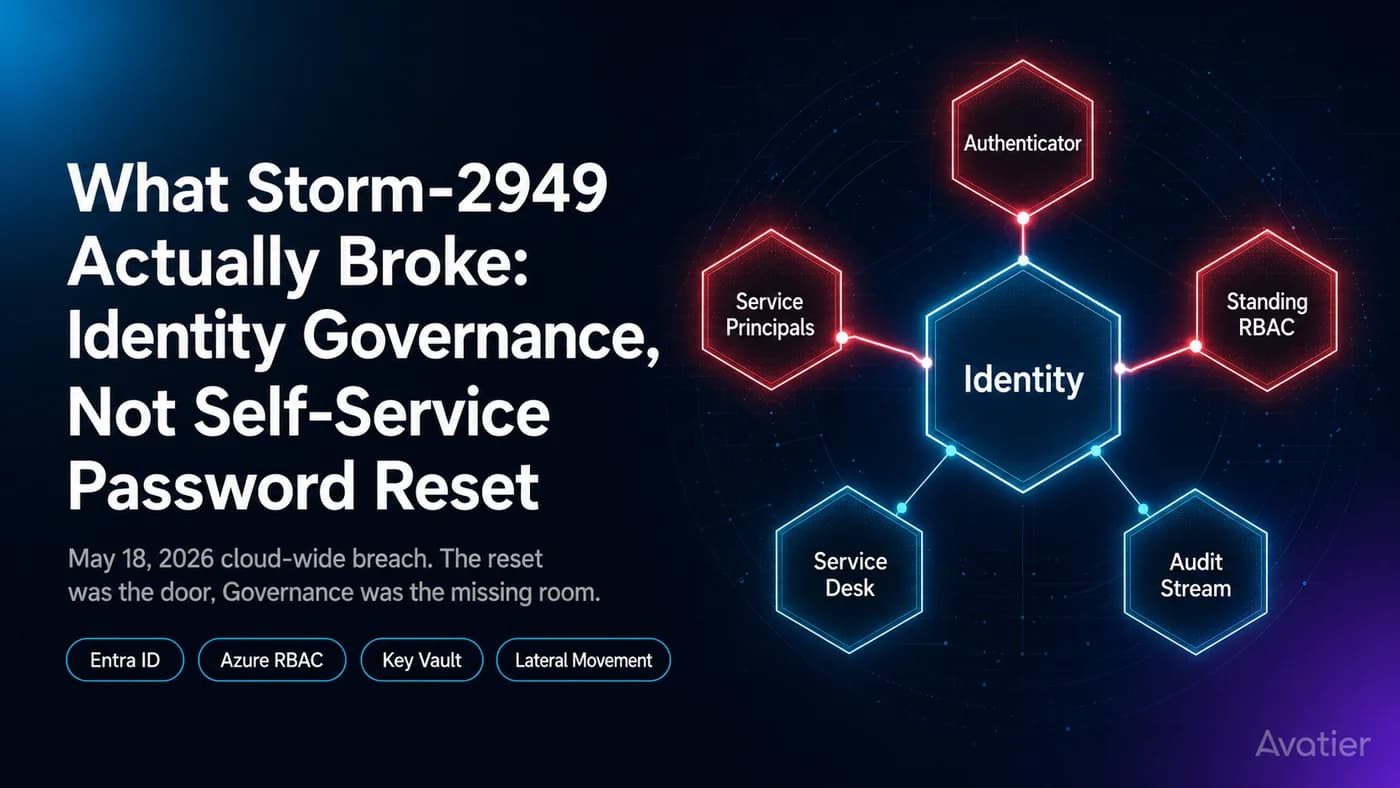
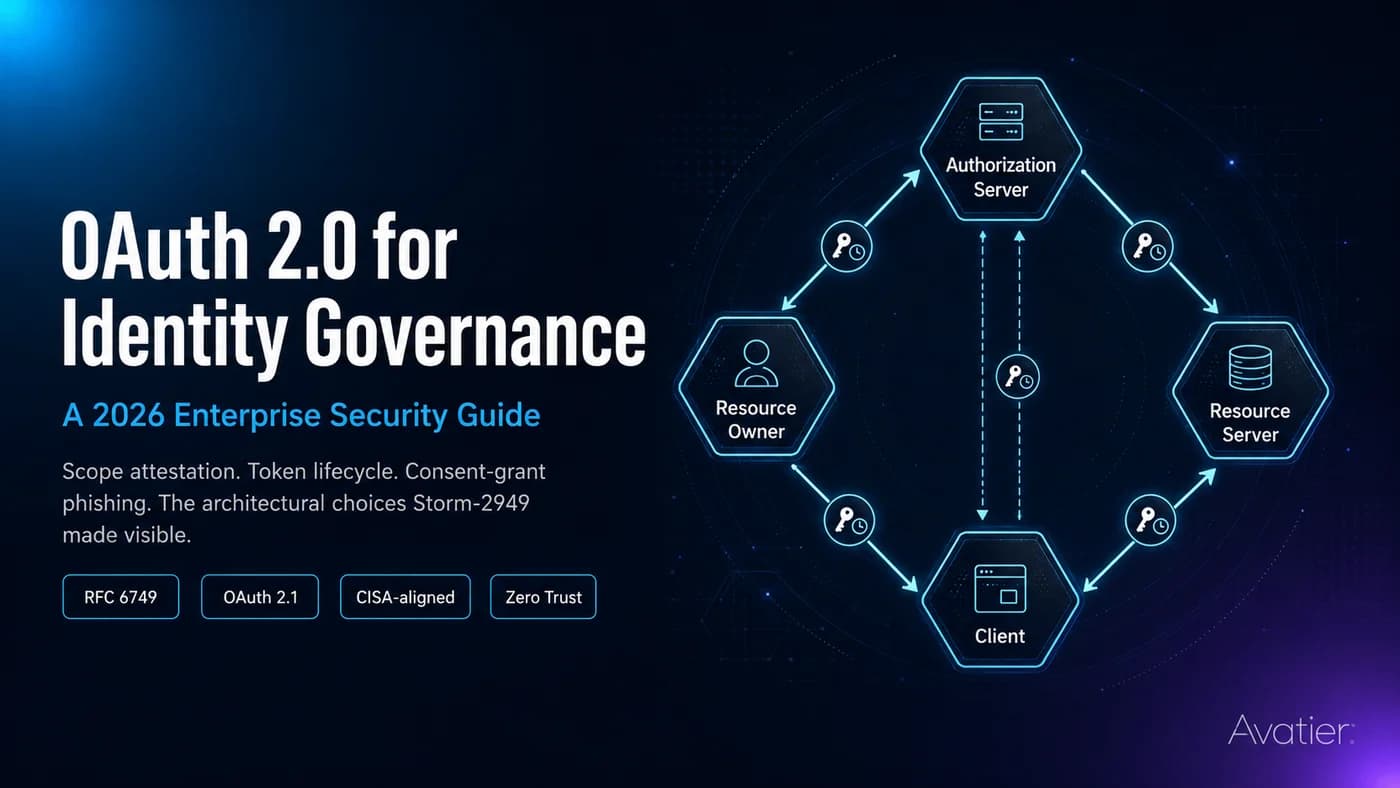
Microsoft's Storm-2949 disclosure exposed an identity governance gap, not a password gap. What service-principal hygiene, JIT RBAC, and lifecycle attestation would have caught.

OAuth 2.0 in 2026 enterprise identity governance — scope attestation, token lifecycle, consent-grant phishing, and the architectural choices Storm-2949 made visible.

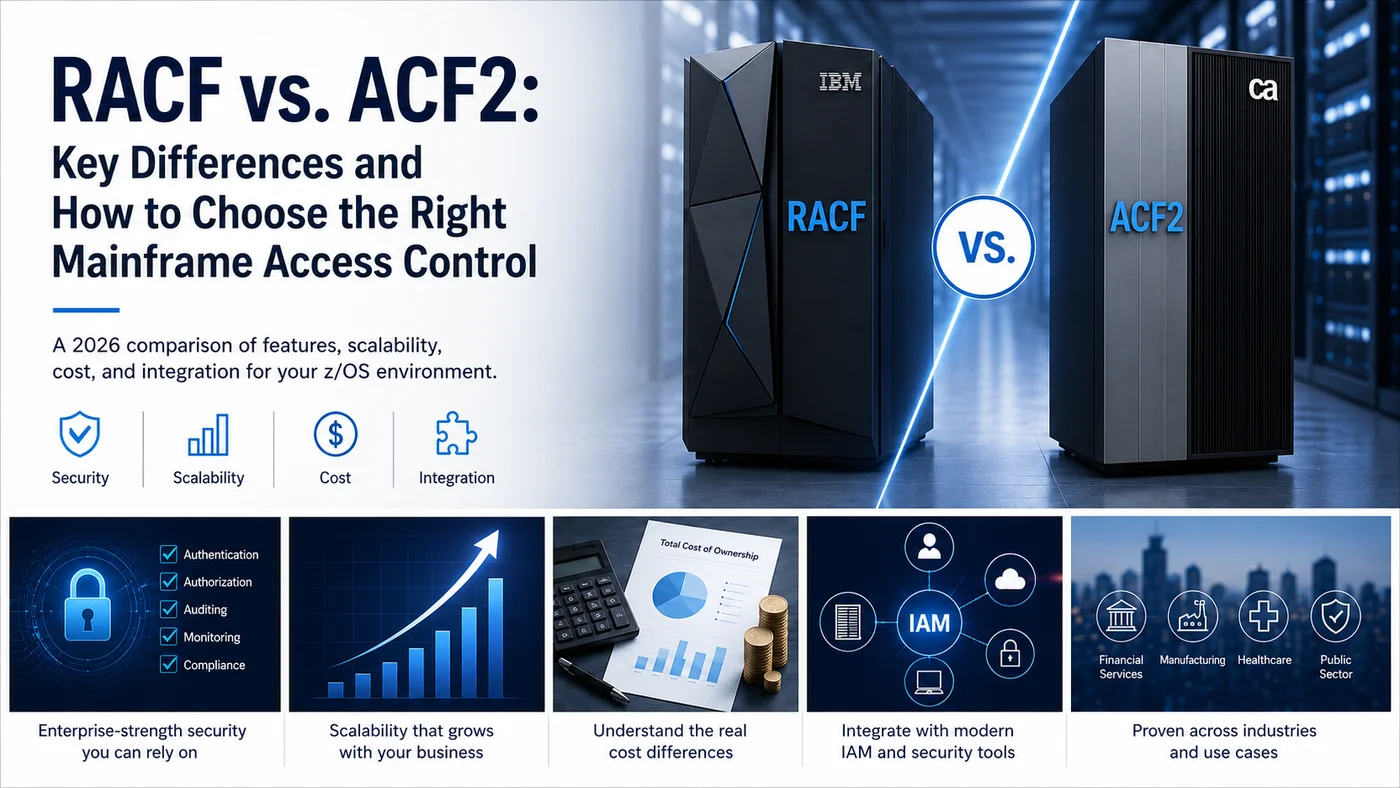
RACF vs. ACF2: a 2026 mainframe security comparison covering features, scalability, cost, and how to choose the right option for your z/OS environment.
Savings Calculator
Enter your company size and see how much your help desk spends on password resets — and how much Avatier Credential Governance saves.
Avatier Credential Governance reduces your cost by
Over 1 year